


Air conditioning used to feel like the sort of thing British homes didn’t need. A desk fan, open windows and closed curtains were usually enough to get through a few sticky days each summer.
But that idea is becoming harder to sustain. Heatwaves are no longer just a short-lived inconvenience for some households. Bedrooms can stay hot long after sunset, loft conversions and south-facing flats can become difficult to live in, and home offices that were fine in spring can feel unusable when the temperatures climb.
That doesn’t mean every home needs fitted central air conditioning, or that it should be the first step homeowners take. Shading, ventilation, fans and sensible use of windows are cheaper ways to cool a home, and they will often be enough for many people. But for properties that overheat every summer, a professionally installed system can start to look less like a luxury and more like a practical way to keep key rooms comfortable.
Get free air conditioning quotes
Answer a few quick questions and we’ll match you with AC Installers for a free, no-obligation air conditioning quote.
The question of whether central air conditioning is worth it in the UK comes down to whether the benefit justifies the upfront cost, added electricity use and possible planning considerations. Here’s what to consider before deciding whether central air conditioning is worth it for your home.
Read more: Best portable air conditioners, reviewed
What does central air conditioning mean in the UK?
When people talk about central air conditioning, they are often picturing the kind of whole-home ducted system that is common in parts of the US. In the UK, that is still relatively unusual in domestic properties.
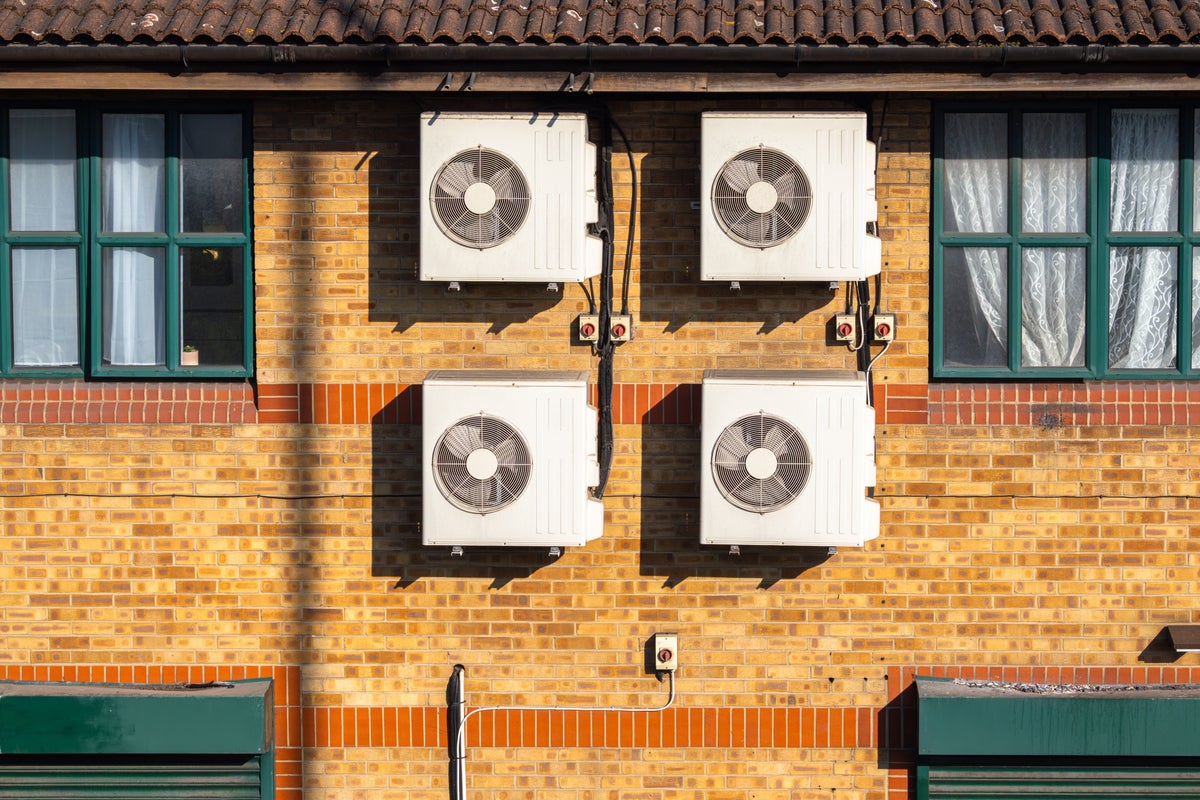
For most UK homes, fitted air conditioning usually means a split system or multi-split system. This has one or more indoor units connected to an outdoor unit, which removes heat from the room and releases it outside. A single split system might cool one bedroom or home office, while a multi-split system can serve several rooms from one outdoor unit.
The installer Glow Green, for example, says its air conditioning systems include both an indoor and outdoor unit, with indoor options including wall-hung and cassette units. Boxt also offers fitted air conditioning for spaces such as bedrooms, living rooms, home offices and multiple rooms, with fixed-price quotes available online.
Some air conditioning systems can also provide heating as well as cooling, which makes them similar in principle to an air-to-air heat pump. That can make them more useful across the year, particularly in rooms that are hard to heat or cool with the rest of the home.
Ducted air conditioning is possible, but it is typically more expensive and disruptive to install because it needs space for ductwork. This type of system is designed as a permanent home upgrade. It’s different from a portable air conditioning unit that sits on the floor and vents through a window.
For most homeowners asking whether air conditioning is worth it, the real question is usually whether it is worth installing a fixed split system in the rooms that overheat most, rather than trying to cool the entire house.
Read more: Best fans, tried and tested
Why are more UK homeowners considering air conditioning?
The UK’s housing stock was largely designed to hold on to heat. That is useful in winter, especially as energy bills have risen, but it can become a problem during summer.
A well-insulated home can still overheat if it has large areas of glazing, poor ventilation, limited external shading or rooms directly under the roof. Flats, smaller homes, urban properties and modern homes with large windows can all be vulnerable. So can older homes that have had insulation improvements, but still lack good ways to release heat.
There is also a lifestyle shift. If you work from home several days a week, a room that used to be uncomfortably hot for a few evenings each summer may now affect your working day. And if a bedroom stays warm overnight, the issue is not just comfort but the quality of your sleep.
This doesn’t mean every UK home needs air conditioning. For many households, simple cooling measures can still make a meaningful difference. Opening windows at cooler times of day, closing blinds or curtains before direct sunlight hits the glass, using fans, reducing heat from appliances and improving loft insulation can all help.
But if your home regularly overheats despite those measures, a fixed cooling system may be worth considering.
How much does central air conditioning cost in the UK?
The cost of central air conditioning depends on how many rooms you want to cool, what type of system you choose and how complicated the installation is.
A single wall-mounted split system is usually the starting point. This might be enough if your main problem is one bedroom, a home office or a living room that becomes uncomfortable in summer. Boxt says its wall-mounted air conditioning starts from £2,249, or from £32 a month.
A multi-room system will usually cost more because it needs multiple indoor units, more pipework and a larger or more complex outdoor setup. Energy Saving Trust estimates that an air-to-air heat pump could cost about £1,900 for one room, or around £3,700 for a three-bedroom semi-detached home, although real-world quotes will vary.
The final price can be affected by the following factors:
- The number of rooms you want to cool
- The size and layout of those rooms
- Where the indoor and outdoor units can be placed
- The distance between the indoor and outdoor units
- The type of indoor unit you choose
- Whether you want smart controls or premium features
- Whether extra electrical work is needed
- Whether the property is a flat, a listed building or in a conservation area
Lloyd Greenfield, founder of Glow Green, says the final cost of an air conditioning installation can vary depending on the size of the unit, the make and model, and the distance between the indoor and outdoor units.
“The distance between the indoor and outdoor unit can increase the cost because of the extra copper pipework, trunking and refrigerant required,” he says.
The position of the units can also affect the price. Greenfield says installers will need to consider whether the indoor unit is going on an internal or external wall, whether a condensation pump is needed, whether the outdoor unit is being fitted at low or high level, and whether scaffolding or a tower is required to run pipework safely.
This is why central air conditioning is difficult to price accurately without a quote. For example, two homes with the same number of bedrooms may need very different systems if one has a hot loft conversion and another only needs occasional cooling in a small bedroom.
Read more: Best air coolers
What affects the cost of air conditioning installation?
Greenfield says homeowners should expect the quote process to look at:
- The size of the unit required
- The make and model
- The distance between the indoor and outdoor units
- Whether the indoor unit is on an internal or external wall
- Whether a condensation pump is needed
- Whether the outdoor unit is fitted at a low or high level
- Whether scaffolding is required
- Whether pipework runs internally or externally
Monthly finance can reduce the upfront cost, although homeowners should compare the total amount payable before choosing this route.
How much does central air conditioning cost to run?
Running costs depend on the system’s power, efficiency, the size of the room, your electricity tariff, the thermostat setting and how long the unit is used. At the July 2026 price cap, a system drawing 1kW would cost roughly 26p an hour to run, while a 1.5kW system would cost about 39p an hour. Actual costs will depend on the unit, room size, thermostat setting and tariff.
Cooling one bedroom for a few hours before bed will cost far less than cooling several rooms throughout the day. A system used occasionally during heatwaves will have a very different annual cost from one used for much of the summer.
Modern split systems are generally designed to be much more efficient and effective than temporary cooling options. Some units also include eco modes, timers, sleep settings and app controls, which can help limit unnecessary use. Boxt says the Bosch climate 3200i, one of the systems it offers, has an A++ energy efficiency rating for cooling and an A+ rating for heating.
If your home has solar panels, daytime air conditioning may also align well with solar generation, because cooling demand is often highest when the sun is shining. However, this will depend on the size of your solar system, whether you have a battery, when you use the AC and how much electricity your home is already using.
The simplest way to keep running costs down is to cool only the rooms you need, use timers and avoid setting the temperature unnecessarily low.
What are the benefits of central air conditioning?
The main benefit or central air is simple: it can make hot rooms comfortable. A fan can help you feel cooler by moving air across your skin, but it does not lower the temperature of the room. Air conditioning actively removes heat from the indoor air, which makes it a more effective solution for rooms that regularly overheat.
For many homeowners, the biggest benefit will be sleep. A bedroom that holds heat late into the evening can make hot weather feel much harder to live with. Boxt says it positions bedroom air conditioning around getting a better night’s sleep, and many fixed systems include quiet or sleep modes designed for overnight use.
Home offices are another obvious use case. A room that is bearable outside working hours can become difficult to use when you are sitting at a desk for seven or eight hours. Fitted air conditioning can make that room usable through summer, particularly in loft rooms, garden rooms or small spaces with limited airflow.
Air conditioning can also reduce humidity by removing moisture from the air as it cools.
Some systems can also do more than cool. Air-to-air heat pumps can provide both heating and cooling, although they should not be confused with air-to-water heat pumps, which supply central heating and hot water. An air-to-air system may help heat a specific room in colder months, but it will not replace a full wet central heating system in most homes.
What are the downsides of central air conditioning?
The biggest drawback is the upfront cost. A professionally installed system costs significantly more than buying a fan or a portable cooling unit. It is a home improvement project, not a seasonal appliance purchase.
It also uses electricity. Even an efficient system will add to your energy use when running, so it is worth thinking about how often you are likely to use it. If your home only becomes uncomfortably hot for a few days each year, the financial case may be weak.
There are also practical considerations. You need somewhere suitable for the outdoor unit, and the installer will need to run pipework between the indoor and outdoor units. In some properties, especially flats, leasehold homes, listed buildings or homes in conservation areas, you may need permission before installing external equipment.
Noise is another factor, although modern systems are designed to operate quietly. It is still worth asking about indoor and outdoor noise levels, especially if the unit will be installed in a bedroom or near a neighbour’s boundary.
Finally, air conditioning shouldn’t be seen as a substitute for good home design. Shading, ventilation and insulation are still very important. If the cause of overheating is direct sunlight through large windows, for example, external shading or better blinds may reduce the amount of cooling you need.
Which homes are most likely to benefit from central air conditioning?
Central air conditioning is more likely to be worth it if your home has a repeat overheating problem rather than an occasional inconvenience.
It may make sense for:
- Bedrooms that stay hot overnight
- Loft conversions and rooms under the roof
- Home offices used throughout the day
- South-facing rooms with lots of glazing
- Modern flats with limited natural ventilation
- Conservatories or garden rooms
- Homes in dense urban areas
- Households with babies, older people or anyone more vulnerable to heat
It may be harder to justify if your home only overheats briefly, if you rent, or if cheaper steps such as shading, ventilation and fans would solve most of the problem.
A good way to think about it is to ask which rooms are actually causing the problem. Many UK homes do not need whole-house cooling. A single-room or two-room system may provide the biggest benefit for the lowest cost.
Is central air conditioning better than a portable AC unit?
A portable air conditioning unit can be cheaper upfront and may be useful for occasional use. But it is not usually the best comparison for a homeowner who wants a long-term solution.
Portable units need to vent warm air through a window or door, which can let heat back into the room. They also take up floor space and are often noisier than fixed systems. A professionally installed split system is usually neater, quieter and more powerful, with the noisiest component outside the home.
That does not mean a fixed system is always the right answer. If you only need cooling for a few days a year, a temporary solution may be enough. But if the same rooms overheat every summer, fixed air conditioning is likely to be the more comfortable and effective option.
Does central air conditioning add value to a UK home?
It is difficult to say that air conditioning will definitely increase the value of a UK home. Unlike a new kitchen, loft conversion or solar panel system, it is not yet a standard feature that most buyers expect.
However, it could make some homes more appealing. A fitted cooling system may be attractive in a hot loft conversion, a south-facing flat, a home office or a property where overheating is an obvious issue. Buyers may also see it as a premium comfort feature, especially if the installation is discreet and efficient.
The safer way to think about air conditioning is as a lifestyle upgrade first and a resale feature second. If it makes your home more comfortable every summer, that benefit may be more meaningful than any possible uplift in property value.
Do you need planning permission for air conditioning in the UK?
You may need planning permission for fitted air conditioning, so it is worth checking before you book an installation.
Most fixed air conditioning systems need an outdoor unit, usually mounted on an external wall, flat roof or ground-level stand. That outdoor unit is the part most likely to raise planning issues, particularly if your home is a flat, listed building, in a conservation area, or subject to other local restrictions.
The rules can also depend on whether the system is used only for cooling, or whether it is an air-to-air heat pump that provides heating as well. In England, some air-source heat pump installations can be treated as permitted development if they meet specific conditions. However, Planning Portal guidance says the unit must not be used solely for cooling purposes.
There are also limits on the size of the outdoor compressor, where it can be installed, how many units are allowed, roof placement, conservation areas and listed buildings. Systems may also need to meet relevant MCS standards.
In practice, this means you should not assume that a cooling-only air conditioning unit can be installed without permission. Ask your installer how the system will be classified, check whether the work falls under permitted development, and speak to your local planning authority if there is any doubt.
How to choose the right central air conditioning system
Before getting quotes, decide which rooms you want to cool and when you are likely to use the system. A bedroom-only system has a different purpose from a multi-room setup for a family home.
When comparing quotes, Greenfield says homeowners should ask how long the company has been trading, whether it is Refcom-registered, what warranty and aftercare are included, and whether the quote is genuinely fixed.
He also recommends checking online reviews, asking what finance options are available, and making sure you understand how the pipework will be run before agreeing to the installation.
When comparing options, ask installers:
- What size unit does each room need?
- Where will the indoor and outdoor units be placed?
- How much pipework is required?
- What will the indoor and outdoor noise levels be?
- Can the system heat as well as cool?
- What efficiency rating is the unit?
- What controls, timers or app features are included?
- What warranty is provided?
- Does the quote include installation and all necessary parts?
- Does my property need any permissions before work starts?
As with any home improvement, it’s sensible to compare more than one quote. The cheapest system may not be the best value if it is poorly sized, awkwardly located or unsuitable for the rooms you want to cool.
Is central air conditioning worth it in the UK?
Central air conditioning can be worth it in the UK if your home regularly overheats and the problem affects how you use the space. Greenfield argues that fixed wall-mounted air conditioning is becoming a more practical long-term investment as UK summers get hotter, particularly for homes that overheat every year. Some systems can also do more than cool, with certain wall-mounted units offering heating and air purification features.
If you struggle to sleep in summer, work from a hot home office, have a loft conversion that becomes uncomfortable, or live in a flat with limited ventilation, a professionally installed system can make a noticeable difference. It may be especially worthwhile if you know which rooms need cooling and do not need to condition the whole house.
It is less likely to be worth it if your home only feels too warm for a handful of days each year, or if lower-cost cooling measures would solve the problem. Fans, shading, ventilation and sensible use of windows should usually come first.
For homes with persistent overheating, however, fixed air conditioning is no longer an outlandish idea. As UK summers become harder to manage, it is becoming a practical option for homeowners who want a cooler, more comfortable home – provided the system is properly sized, professionally installed and used efficiently.
Q
Is central air conditioning expensive to run in the UK?
It depends on the size and efficiency of the system, your electricity tariff and how often you use it. Cooling one bedroom for a few hours will cost much less than running several rooms all day.Q
Can central air conditioning heat my home too?
Some fixed AC systems are air-to-air heat pumps, which can provide both heating and cooling. However, they do not usually provide hot water like an air-to-water heat pump.Q
Do I need planning permission for air conditioning?
Many domestic installations will not need planning permission, but the rules can be more complicated for flats, leasehold homes, listed buildings and conservation areas. Check before installing an outdoor unit.Q
How long does air conditioning take to install?
Installation time depends on the size and complexity of the job. A straightforward single-room split system may be completed relatively quickly, while a multi-room or more complex installation will take longer.Q
Which rooms are best for air conditioning?
Bedrooms, home offices, loft conversions, living rooms and south-facing rooms are often the most useful places to install fixed air conditioning.