


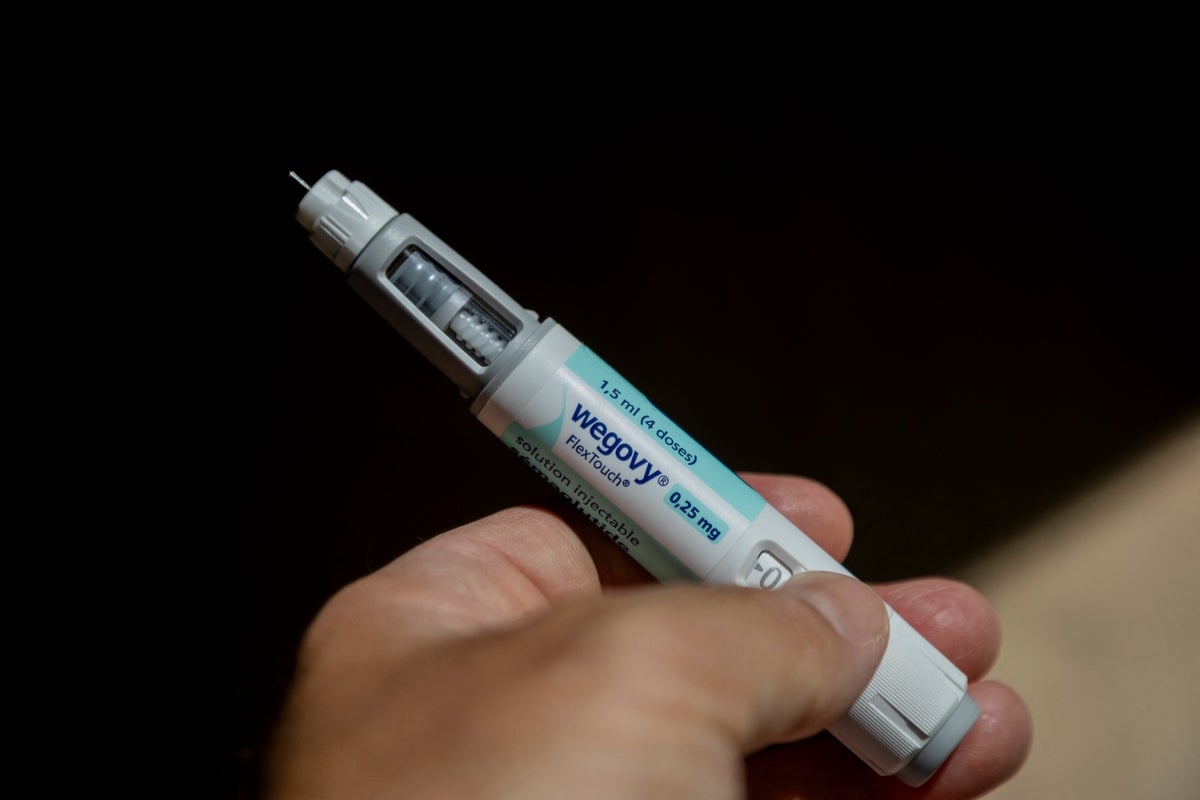
Elementary school-age children are being given GLP-1 weight loss drugs as a way to prevent lifelong obesity — even though the drugs are not yet approved to treat young patients, according to a report.
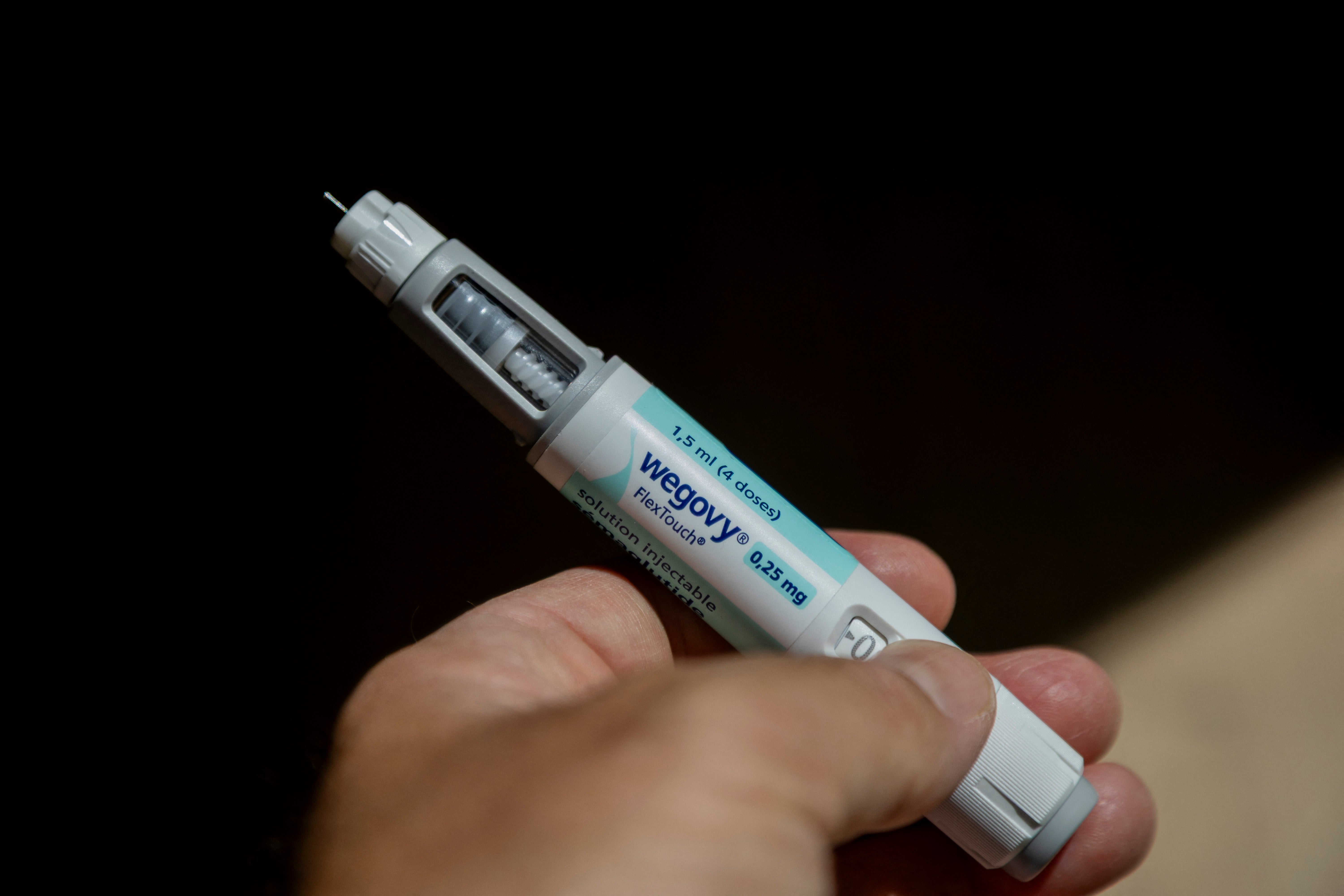
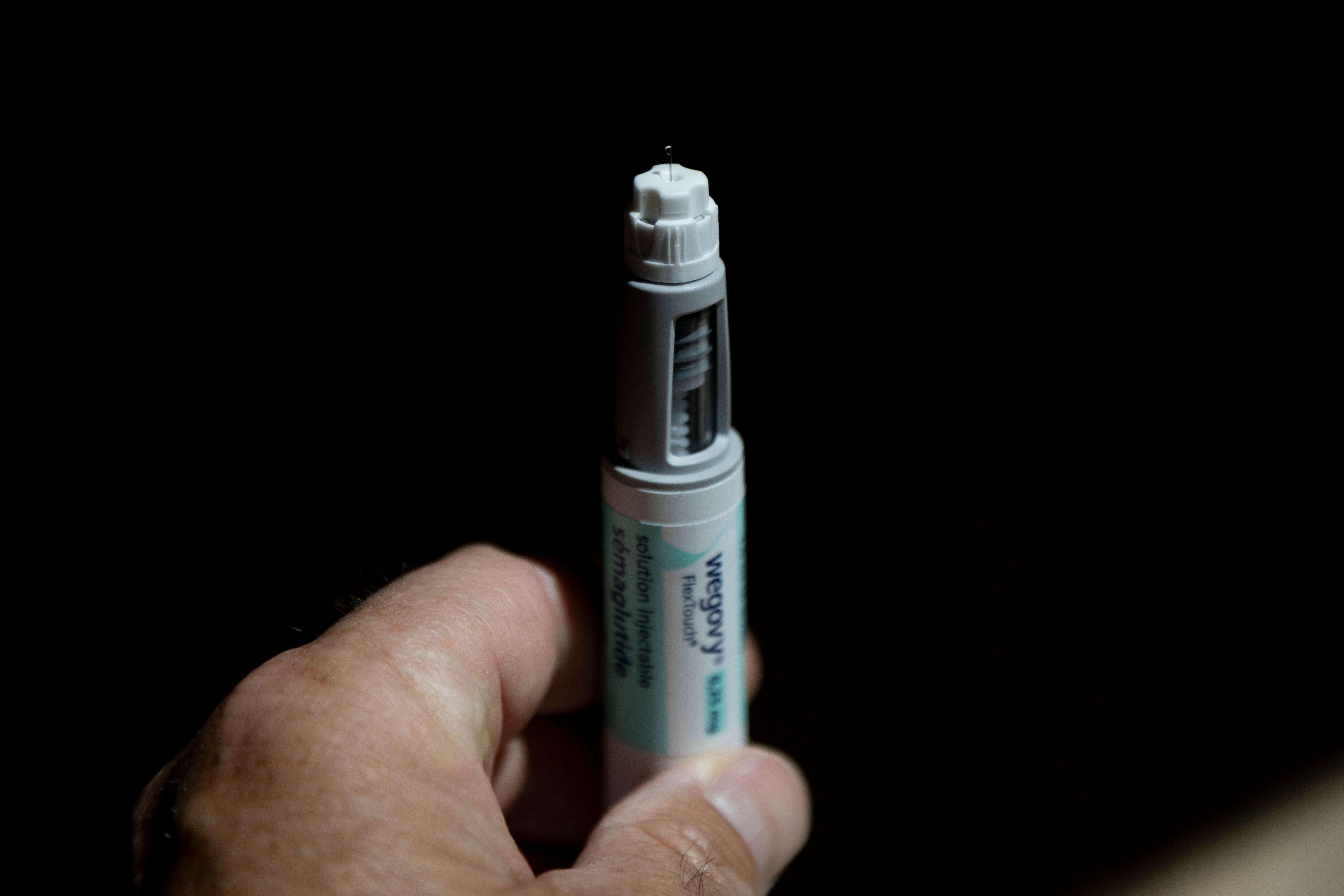
Some doctors are prescribing GLP-1s such as Wegovy off-label to children as young as six in the hopes of staving off medical issues that are linked to obesity, such as high blood pressure and Type 2 diabetes, The Wall Street Journal reported.
While these drugs are approved to treat obesity in kids as young as 12, they are being tested in children as young as six. GLP-1s are also approved in the U.S. for children 10 and older with Type 2 diabetes.
Nine-year-old twin brothers Ayden and Kayden Gatlin-Wright struggled for years with childhood obesity before their parents asked about GLP-1s in January.
“I see kids who have developed Type 2 diabetes at 10, 11 years old,” Dr. Jessica Reilly, medical director of the Strong4Life pediatric obesity clinic at Children’s Healthcare of Atlanta. “They need help so desperately.”
 open image in gallery
The clinic discovered that the boys, who were adopted at birth by their parents Latrail Gatlin and Alexander Wright, have a genetic mutation that affects their perception of fullness and increases their risk of obesity.
The boys were about four years old when they started rapidly gaining weight. The family worked with their pediatrician and nutritionist and started limiting portion sizes and following a stricter diet. They also enrolled the boys in karate classes to try and help them lose weight.
However, their BMI continued to climb. When they were seven, their A1C, a measure of blood sugar, was elevated. They also had signs of liver dysfunction and worrisome cholesterol findings, according to the report.
“They were still moving up the chart to the point that it was alarming,” Wright told the Journal, noting the boys’ weight was affecting their ability to run and play.
About 21 percent of U.S. children between the ages of two and 19 have obesity, according to data from the Centers for Disease Control and Prevention. Latrail Gatlin said that they had asked about GLP-1s because the boys’ struggles to lose weight had been taking a toll on their mental health and that they had been bullied due to their size.
“They were discouraged. Why are we putting in all this effort and we’re not seeing any results?” Gatlin said.
The boys started with .25 milligrams of Wegovy before moving up to .5 milligrams and then, in May, switched to a 1 milligram weekly shot. Their parents pay about $700 out of pocket for four weeks of the medication for both boys and it has helped them lose weight so far, with Ayden’s BMI dropping 5 percent and Kayden’s dropping 7 percent.
 open image in gallery
While the medication has been helpful for the twins, most doctors are still torn on whether GLP-1s are right for children so young over concerns that they won’t get enough calories or nutrients. Medical professionals also don’t know the potential long-term effects of being on weight-loss drugs for decades, starting in childhood.
“We do not have enough evidence to safely prescribe under 12 at this point,” for obesity, Dr. Sarah Hampl, part of the pediatric obesity program at Children’s Mercy Hospital in Kansas City, Missouri, told the Journal. “I think that potential is there for positive impact, but there are not enough studies yet.”
Novo Nordisk, which makes Wegovy, doesn’t encourage off-label use of its obesity medications. The company has medications that are approved to treat obesity in children as young as 12, and are testing for children as young as 6. Drugmaker Eli Lilly, which makes Zepbound, is also testing its obesity medications in children ages six and up.
However, getting the medication off-label has helped Ayden and Kayden make healthier habits, like snacking less, and has also given them more energy. Their parents hope they won’t be on the drug for more than a few years.
“They can learn to manage themselves, the exercise, the healthy habits, read their bodies properly,” Wright said. “The goal is for them to learn that, you know, as they grow, this is going to be their life.”