


AdvertisementHuman rightsOpinionAsia Opinion

OpinionYogi Putranto
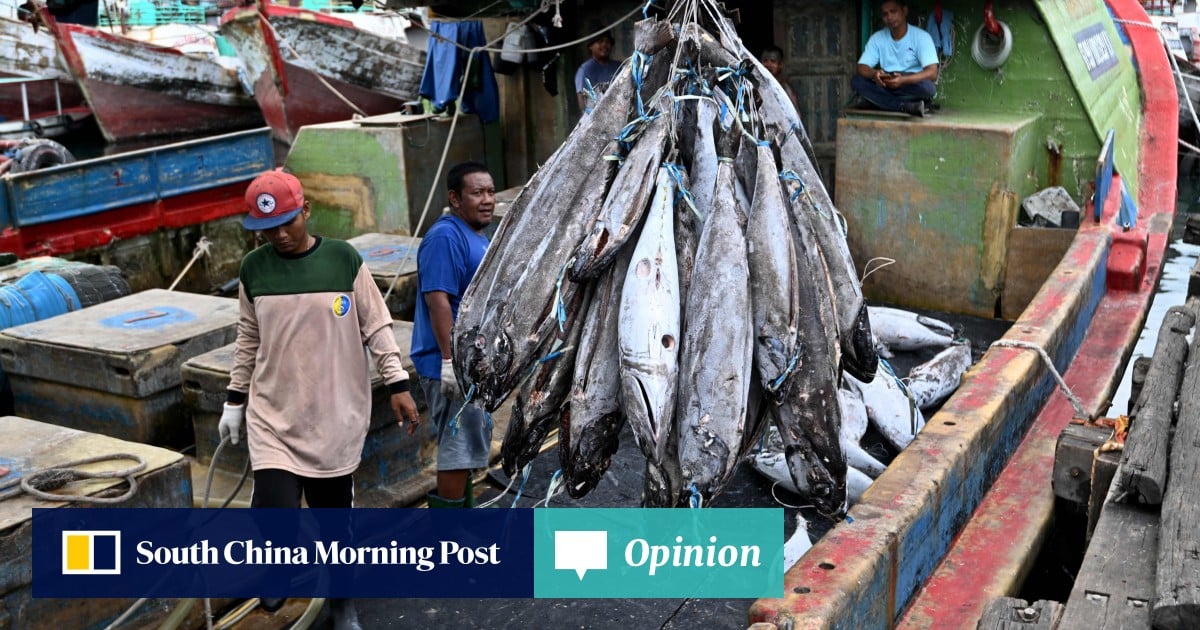
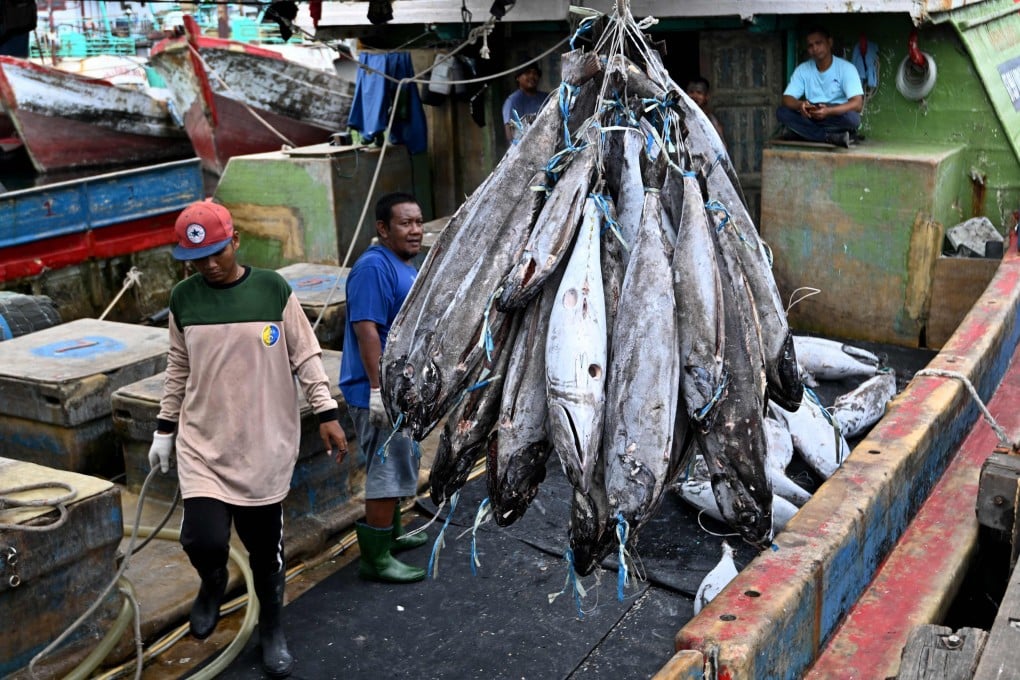
Asia excels at tracking fishing vessels but fails those on board
As demand for sustainable seafood grows, the gap between the ability to monitor vessels and protect workers in the fishing industry must be addressed
3-MIN READ3-MIN Listen
Yogi PutrantoYogi Putranto is head of the Fisheries Intelligence and Surveillance Task Force at Cilacap Marine and Fisheries Resources Surveillance Station in Indonesia’s Ministry of Marine Affairs and Fisheries. Published: 5:30am, 21 Jun 2026
Recent reports highlighting labour abuses aboard vessels operating in fisheries certified under internationally recognised sustainability standards have reignited debate about a critical blind spot in seafood governance.
In April, the International Transport Workers’ Federation identified 80 cases of labour abuse involving 72 vessels linked to 25 fisheries certified by the Marine Stewardship Council across the world, casting doubt on whether seafood sustainability efforts are paying sufficient attention to the welfare of people working at sea. As governments, retailers and regulators face growing pressure to ensure seafood is not only environmentally sustainable but also socially responsible, the gap between technological visibility and human protection is increasingly difficult to ignore.Asia is undergoing a rapid transformation in maritime surveillance. What was once a vast and largely unobservable domain is now increasingly transparent through satellites, artificial intelligence, vessel monitoring systems and digital platforms capable of tracking fishing activity across extensive ocean spaces. Governments can now identify vessel movements, monitor fishing efforts and detect potential violations at a scale unimaginable only a decade ago.Advertisement
This progress is remarkable. According to Global Fishing Watch’s 2025 Annual Report, the organisation supports monitoring across more than 73 million sq km of ocean and tracks around 500,000 vessels using satellite-based technologies and vessel tracking systems. These tools are now central to efforts to combat illegal, unreported and unregulated fishing and strengthen maritime governance across the Indo-Pacific.
However, beneath this technological achievement lies a structural paradox. States are becoming more effective at monitoring vessels but far less effective at protecting the people working aboard them. The ocean is more visible than ever, but many fishers remain largely invisible within governance systems designed to track movement rather than human conditions.AdvertisementThis contradiction is especially important because Asia sits at the centre of the global seafood economy. The region produces most of the world’s seafood, dominates aquaculture and supports millions of livelihoods linked directly or indirectly to fisheries. Seafood is not only a food source but also a strategic economic sector tied to employment, exports and food security.AdvertisementSelect VoiceSelect Speed00:0000:001.00x