


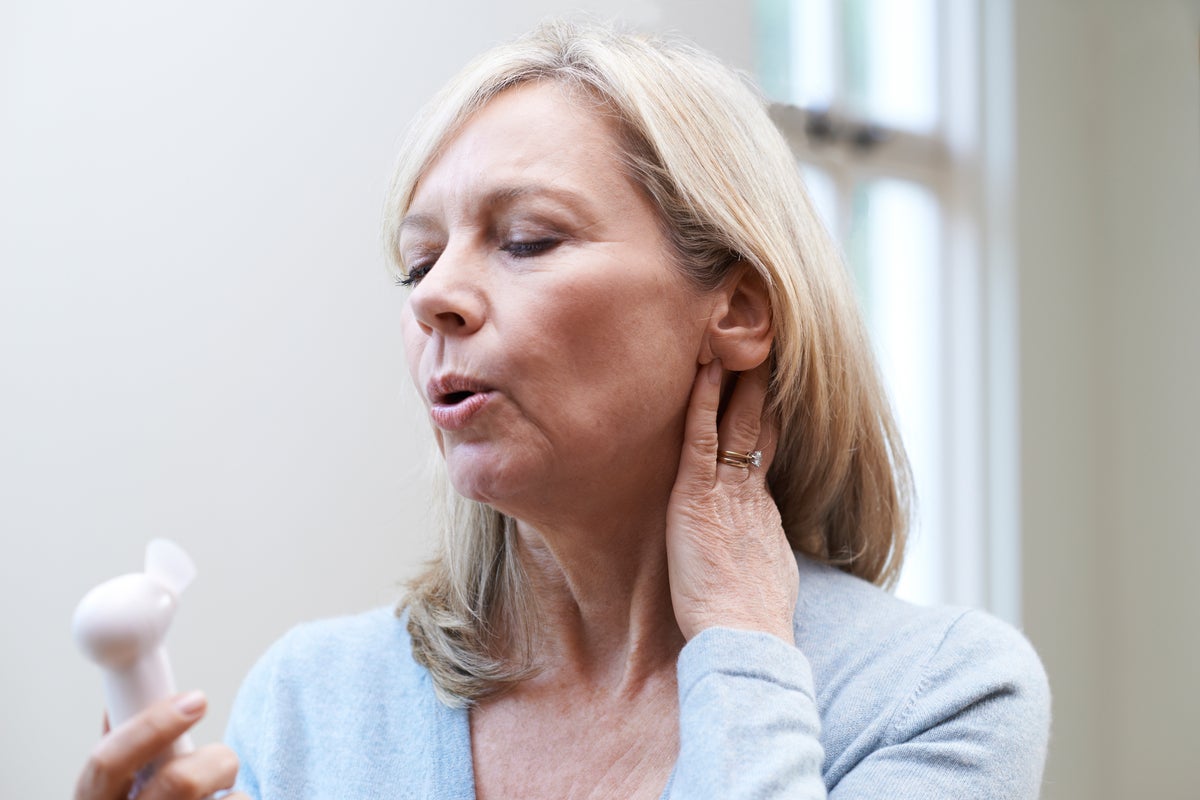
As temperatures soar across the UK, with a heatwave predicted for this weekend, the rising mercury is not welcome news for all.
For many women navigating perimenopause or menopause, the summer months can be particularly challenging.
This piece explores why some individuals struggle to cope in the heat, drawing on expert insights to provide practical tips for managing symptoms and ensuring a more comfortable, stress-free summer.
How does hot weather affect menopausal women?
“During menopause your oestrogen levels decline, and falling oestrogen levels affects the body’s temperature regulation,” says Dr Claire Agathou, GP and co-founder of the A-Z General Practice at HCA Healthcare UK’s The Wellington Hospital.
This is because a drop in oestrogen affects the hypothalamus in your brain, she explains.
“Our hypothalamus produces the hormones in our brain and is basically our body’s thermostat, and during menopause this thermostat becomes much more sensitive because of this drop in oestrogen,” says Agathou.
“Therefore, even a small rise in the environmental temperature can cause flushing and sweating.”
 open image in gallery
Hot weather can also exacerbate other menopausal symptoms like night sweats and mood changes.
“A warm bedroom and humid conditions can make classic menopausal symptoms like night sweats much worse and lead to poor sleep and fatigue,” says Agathou.
“Then if women experience disrupted sleep combined with heat-related dysregulation and de-hydration, that can make them feel really tired and have a big impact on their mood.
“In addition, with menopause some women experience general joint aches and discomfort, so if you’ve got more fluid retention and are dehydrated in hot weather that can make this feel a lot worse.”
Why do some women struggle more than others in hot weather?
“Not every menopausal woman will experience symptoms like hot flushes or night sweats in the heat,” highlights Agathou.
“Every woman’s experience is quite individual, so that’s why it’s really important your GP knows you well and really understands what your peri or postmenopausal symptoms are.”
Here are some tips to help manage your symptoms this summer…
Stay hydrated
 open image in gallery
“Make sure that you’re staying well hydrated and are drinking water regularly throughout the day,” advises Agathou.
Be cautious around triggers
“Be cautious around triggers like alcohol, spicy foods and excess caffeine which can naturally dehydrate you fast, particularly during a heatwave,” recommends Agathou.
Change your bedding
“Using a lighter-weight duvet or sheet can be sensible during these really hot periods,” says Agathou.
Consider adapting your exercise routine
“Consider exercising during cooler parts of the day, such as the morning or evening, and maybe avoid going out for big runs or outdoor workouts when it’s particularly hot,” suggests Agathou.
Keep a fan on
 open image in gallery
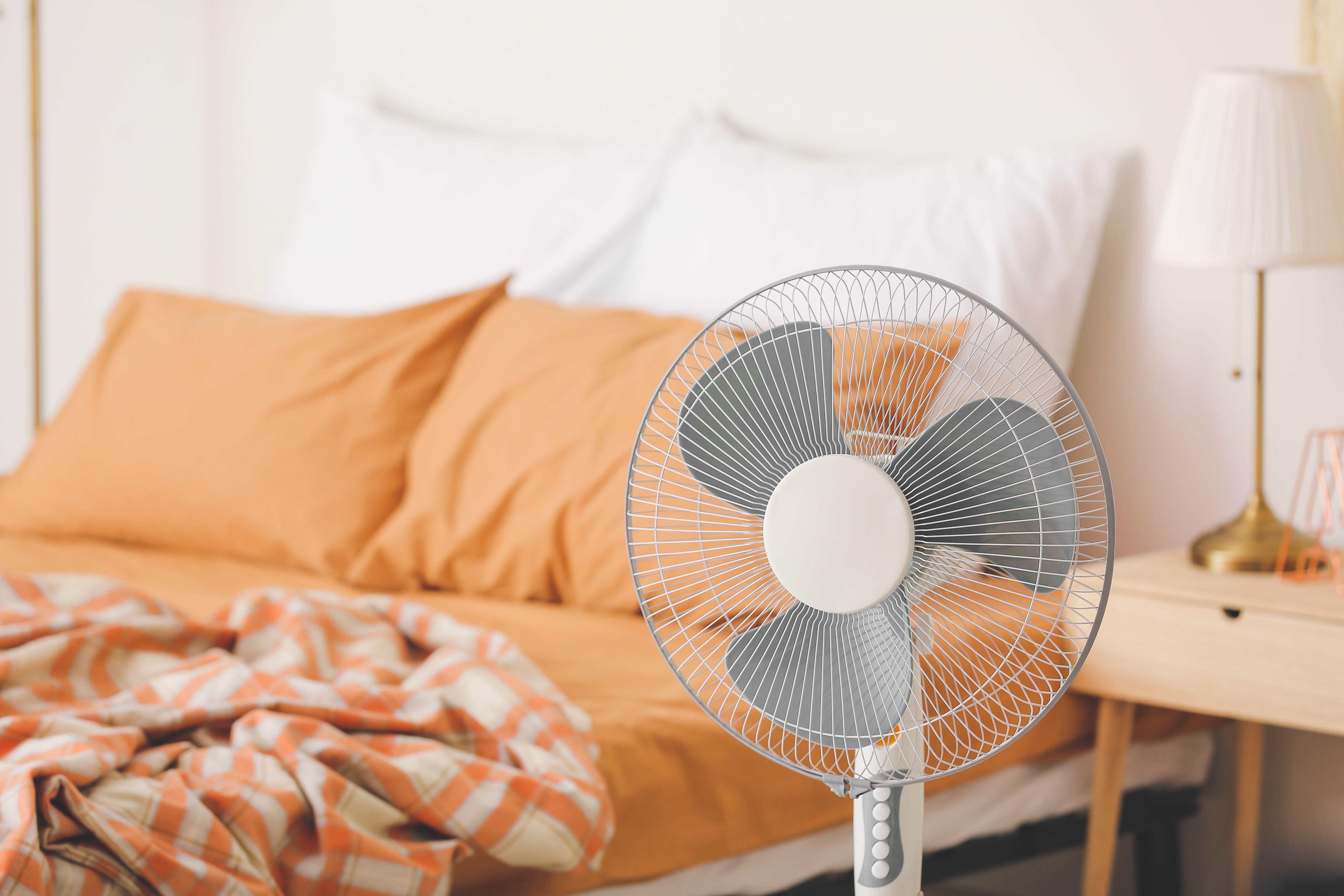
“You could set up a fan into your room, or even get a portable air conditioners to help you stay cool,” advises Dr Nikki Ramskill, women’s health GP, and founder of The Female Health Doctor Clinic.
Close curtains
“We have a tendency to open our curtains and windows in the UK, but if you keep your curtains closed that can help keep the heat of the day’s sun out of the house,” suggests Ramskill.
“Then at the end of the day, when the sun’s gone down, open the curtains and windows to allow the cool air to come in.”
Slow down
“Try to reduce your stress load if you are really struggling because in these hotter periods it can be much better to try and slow down, rather than speed up,” advises Ramskill.
Wear loose clothing
“Try to wear looser clothing, especially round the vagina area because if you get sweaty a lot that can increase the risk of getting thrush symptoms,” says Ramskill.
Try a body deodorant
“It might be worth trying a deodorant that you can use on the whole body, as there are some products out there that can help wick away the sweat a bit more,” suggests Ramskill.
Seek professional help if symptoms persist
 open image in gallery
“If these physical or mental symptoms are transient through periods of very hot weather and then settle, that should be fine, but if they persist then seek help promptly and speak to your GP,” advises Agathou.
“A GP can review of your medication and refer you to talking therapy support if needed.”
Open up to friends and family
“Every woman will go through peri menopause and menopause at some point in their life, so speak to your friends and family about it,” recommends Agathou.
“Women sometimes go through menopause in isolation, but actually a lot of your female friends will also be going through it so reach out to them. It’s also important to talk about it openly with men and partners so they can be supportive and understand what you are going through.”