


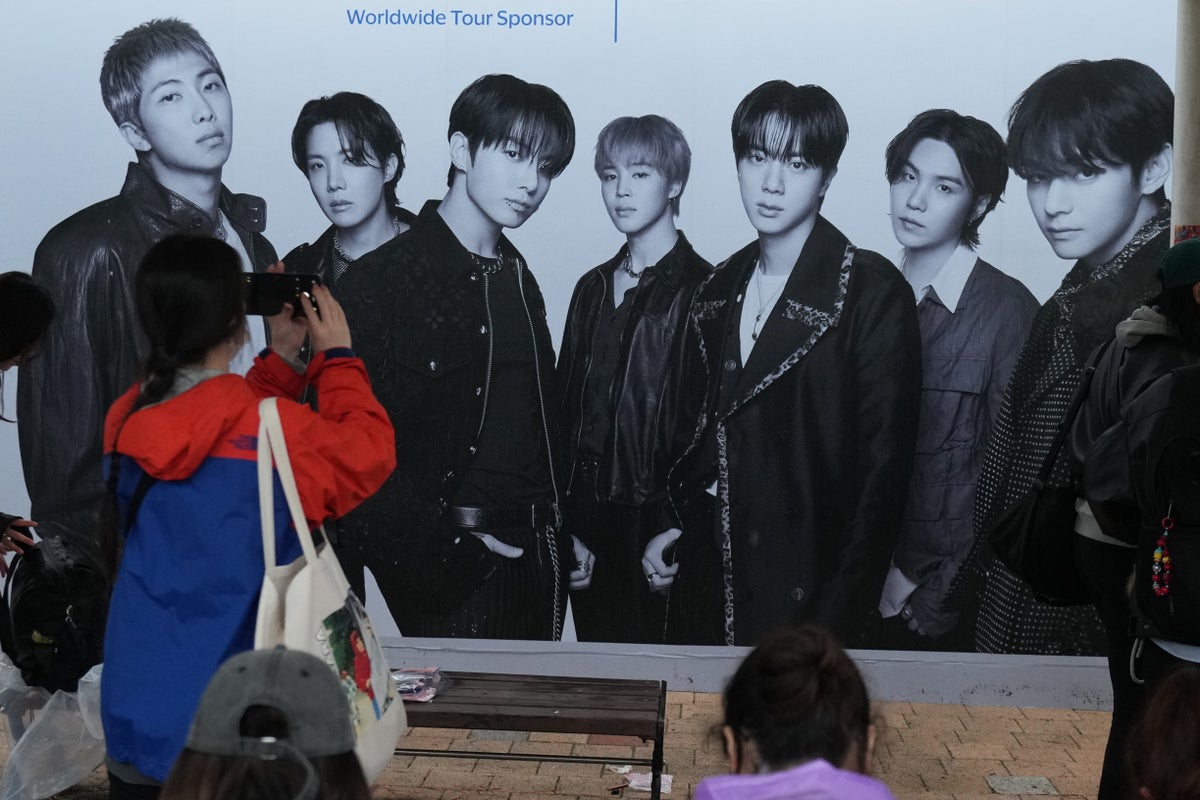
Hotels in South Korea could lose their star ratings under proposed new rules aimed at tackling price gouging, after fans were hit with inflated room prices during K-pop group BTS concerts in the southern city of Busan.
The ministry of culture, sports, and tourism said on Thursday that hotels found to have overcharged customers could face a 30-point deduction under revised hotel grading rules, according to The Korea Times.
The penalty is three times steeper than that imposed for most other violations, including fire safety or sanitation breaches.
The proposed penalty could have serious consequences for hotels. South Korea’s hotel grading system is scored out of 1,000 points, and the gap between five-star and four-star ratings is just 100 points, meaning a single price-gouging violation could be enough to push a hotel below its existing star classification.
These changes are being widely seen as a direct response to the uproar surrounding BTS’s 12 and 13 June concerts in Busan, which coincided with the group’s debut anniversary and drew about 220,000 fans across two days.
The shows led to a sharp rise in international tourism, with foreign bookings for accommodation in Busan rising 218 per cent compared with the same period last year, The Korea Herald.
The concerts are part of the group’s first tour since all seven members completed their country’s mandatory military service. The band composed of RM, Jin, Suga, J-Hope, Jimin, V, and Jung Kook had been on a hiatus since 2022, but returned in March 2026 with their new album Arirang.
 open image in gallery
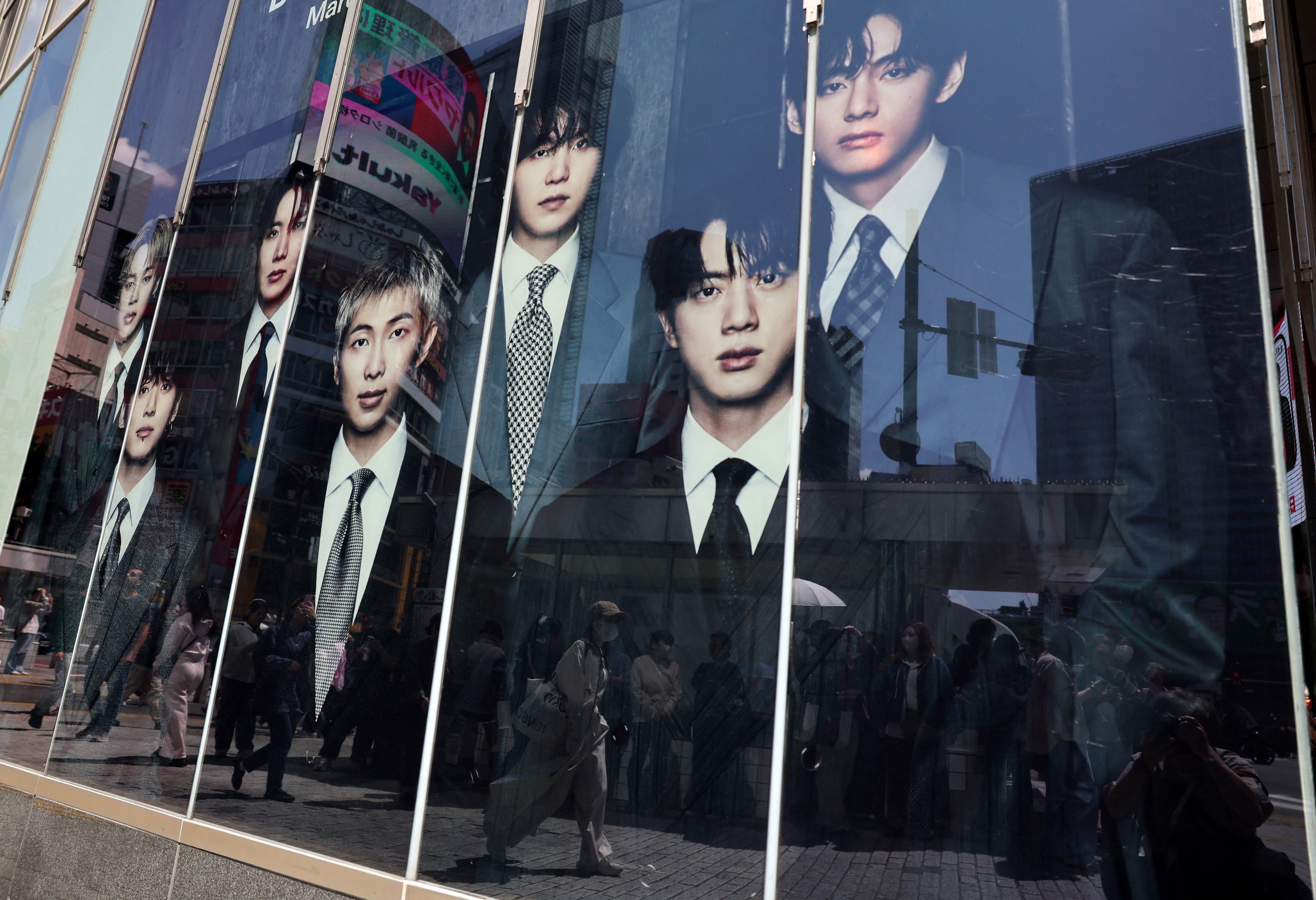
A joint investigation by South Korea’s Fair Trade Commission and Korea Consumer Agency found that accommodation prices surged soon after the concerts were announced. The survey examined 135 properties, that included 52 hotels, 39 motels, and 44 holiday rentals, and found the average room rate during the concert weekend had climbed to 433,999 won (£XX), or 2.4 times higher than on the weekends before and after.
Motels saw the sharpest increases, with prices averaging 325,801 won (£160), roughly 3.3 times their usual rates.
For many fans, however, the average figures did not capture the scale of the price spikes they encountered. One room that normally cost 60,000 won (£30) was listed at 760,000 won (£373) during the concert period. Rooms typically priced at 300,000 won (£147) rose to as much as 1.8m won (£884). One property near Gwangalli Beach was reportedly advertised at more than 8m won (£3,,931) a night, around 34 times its price a week later, a report in The Korea Herald said.
Fans also accused some operators of cancelling bookings using “overbooking” or “renovations” as excuses, only to re-list the same rooms at inflated prices. According to the Korea Tourism Organisation’s Tourism Data Lab, Busan accounted for 185 of the 368 tourism-related complaints filed nationwide in May, with accommodation-related grievances making up the majority.
More than 80 per cent of those complaints were submitted by foreign visitors.
Eunice, a teacher travelling from the Philippines, told The Korea Times she abandoned plans to stay in Busan altogether and instead booked a hotel in nearby Ulsan after seeing Airbnb prices jump tenfold. “The prices are obscenely high and to be honest, the way Busan accommodation has been acting makes me, as a fan, wish that my favourite group could just avoid the city next time,” she said. “I wanted to explore the city, but I’m now forced to find accommodation elsewhere.”
 open image in gallery
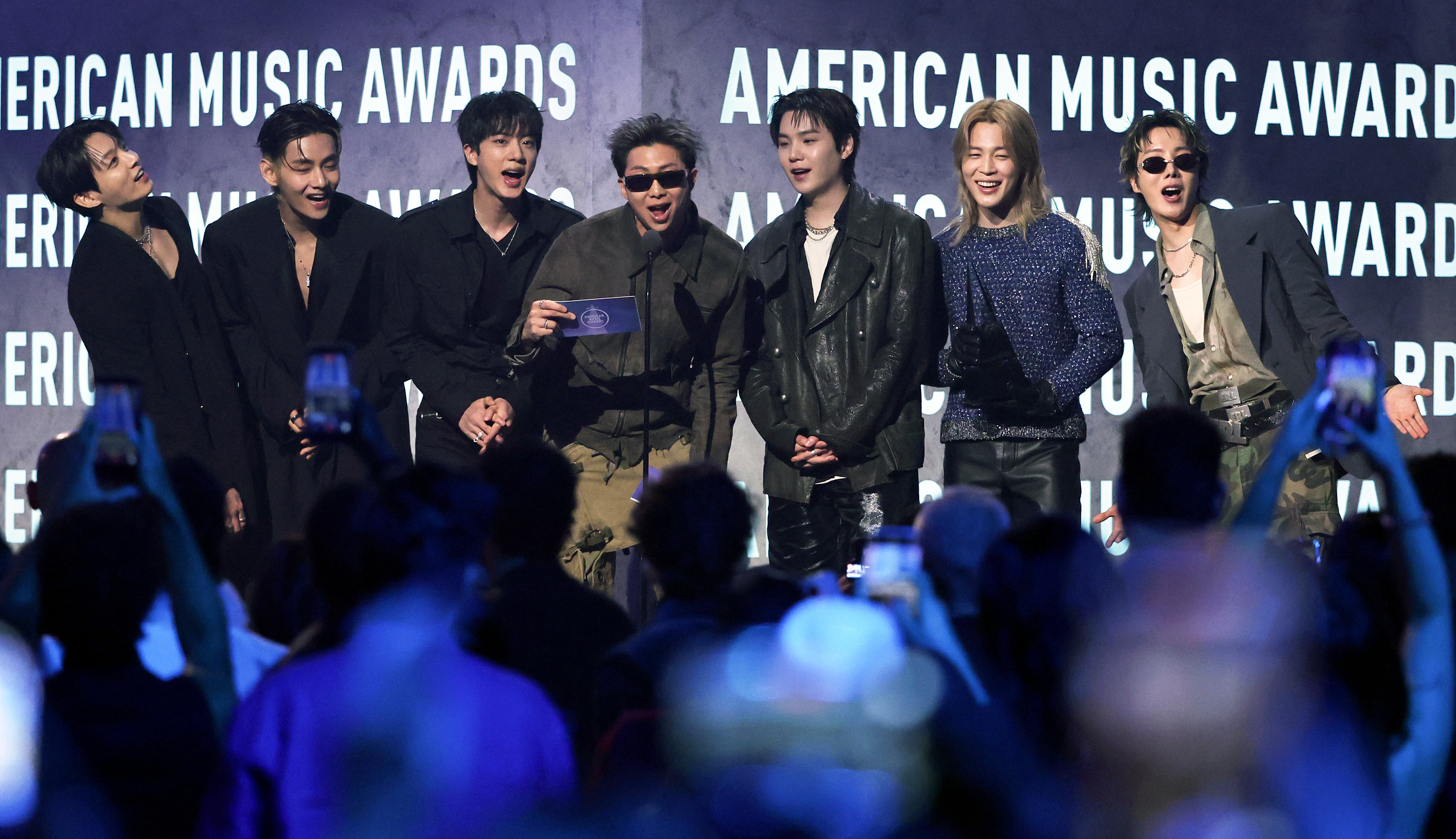
The backlash was strong enough that BTS themselves addressed the controversy during a livestream on Weverse on 27 May.
“There has been a lot of news about accommodation problems in Busan,” said RM. “Even if we want to solve it ourselves, there’s only so much we can do. Of course, prices can change depending on peak seasons, but I hope we can keep things reasonable.”
Jimin, who is from Busan, said he hoped “fans leave Busan with only good memories when they visit”.
Even South Korean president Lee Jae Myung waded into the controversy, warning in May that repeated price gouging around major events risked damaging Busan’s international reputation as a tourism destination.
“People are talking about boycotting local businesses and refusing to spend money there because some tried to profit excessively from the BTS concert by sharply raising accommodation prices,” Lee said. “It harms the entire community. It may even be necessary to publicly disclose the names of those businesses.”
 open image in gallery
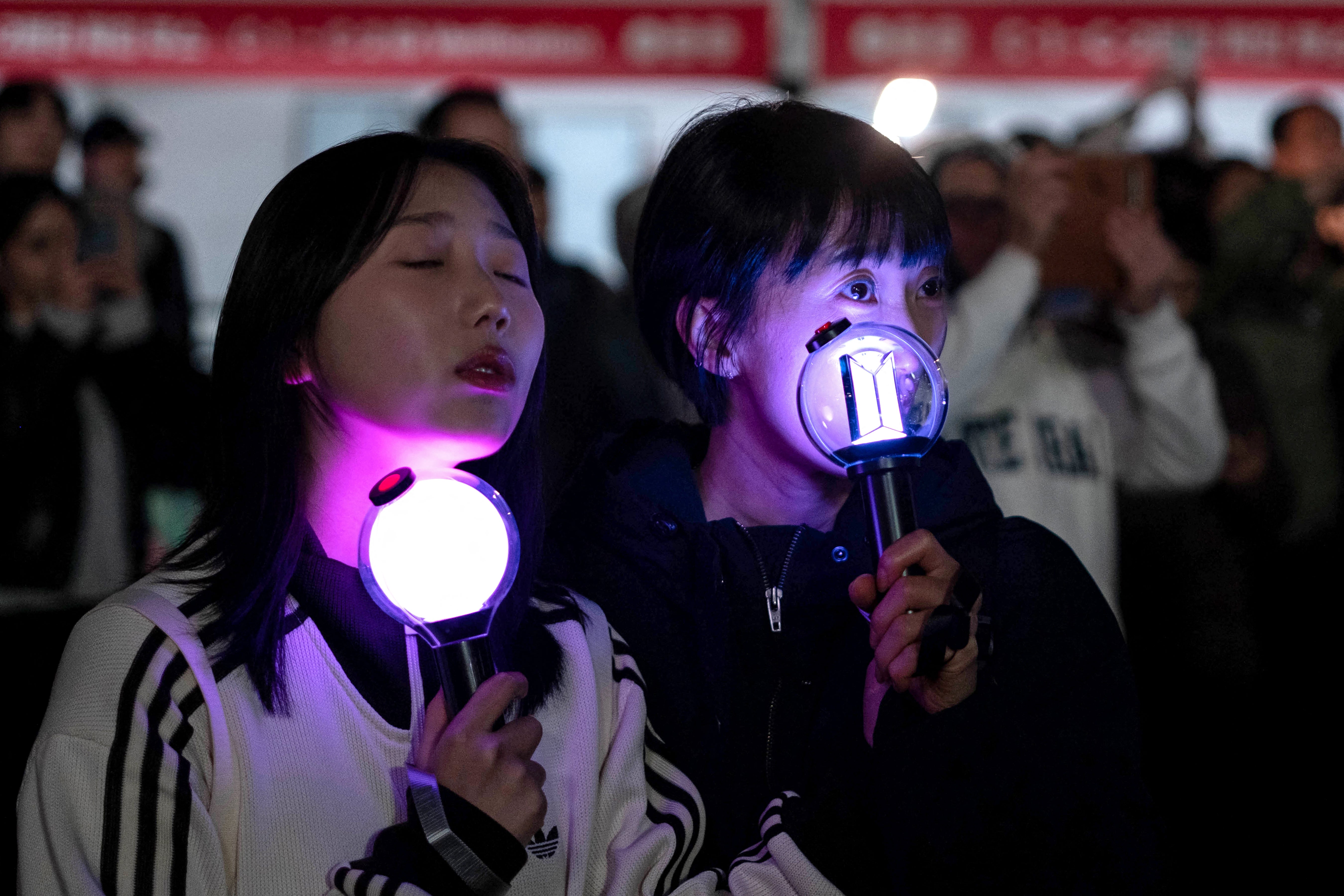
Before the concert, Busan authorities and religious groups opened up low-cost alternatives for concertgoers priced out of commercial accommodation. Several Buddhist temples in and around Busan as well as religious establishments in nearby areas began offering free or low-cost stays during the concert weekend.
The city also introduced a “Fair Lodging Challenge” aimed at encouraging accommodation providers to maintain standard pricing, while authorities launched inspections and threatened tax audits for businesses accused of excessive price hikes.
Busan saw a similar situation play out in 2022, when the port city hosted BTS’s free Yet to Come concert in support of its World Expo 2030 bid. Hotels were accused of cancelling existing bookings and re-listing rooms at sharply inflated rates, with some reportedly charging up to 8.9m won (£4,373) for a two-night stay, while rooms that typically cost 40,000-50,000 won (£20-£25) rose to as much as 2m won (£983).