


6 minutes agoShareSaveAdd as preferred on GoogleAlex Kleiderman

 Getty Images
The BBC has announced 550 job cuts in news, nations and TV and radio content as part of its first stage in its plan to save £500m across the corporation over the next two years.
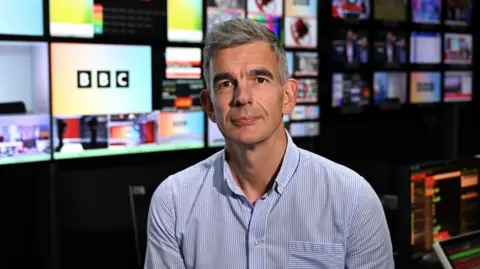
In an email to staff, interim CEO of BBC News, Jonathan Munro, outlined the proposals including ending Radio 4’s The World Tonight, and reducing the number of permanent presenters on Today from five to four from September, with a single anchor on Saturdays.
BBC One’s Breakfast will no longer be shown on Sunday morning from September and the production teams making Sunday with Laura Kuenssberg and Newsnight will merge.
Munro said the proposals announced on Wednesday include 200 job losses in the news division resulting in savings of £25m.
 Jeff Overs/BBC
Some TV production at weekends will be shared across the News Channel and BBC One bulletins and there will also be a review of the chief news presenter roles “to balance audience needs with best value for money”.
Several other Radio 4 programmes will also end during the next year – the Midnight News, Money Box Live, AntiSocial, The Law Show and Crossing Continents. On the World Service, The Inquiry, The Conversation and The Fifth Floor will end.
The reduction in the number of Today presenters will coincide with the previously announced departure of Amol Rajan.
And from April, weeknight audiences on Radio 4 at 22:00 will hear a domestic bulletin followed by a simulcast of the World Service programme, Newshour, in a new time slot and 5 Live Weekend Breakfast will become a two-hour programme.
Other plans in the announcement include:
- A review of broadcast TV channels and radio network portfolio as audiences move online
- A reduction of 100-150 hours of originated programmes across all commissioning genres by the end of the 2027-28 financial year
- A reduction of around 350-400 hours in audio across stations and genres
- Friday’s edition of Newsnight to a peak-time slot on BBC Two, following an earlier refresh of its format
- The News Channel moving to have more of an international focus, building on growth in viewers outside the UK
BBC director-general Matt Brittin said the savings announced on Wednesday are aimed at delivering about £160m of the overall £500m target, which will see an reduction to headcount of around 1,800 to 2,000 jobs.
The former Google executive, who took up the role as director-general in May after the resignation of Tim Davie, said: “The scale of savings requires tough choices, careful work and won’t all be ready at once.”
He said there would be a 10% reduction in the number of senior leaders across the BBC.
Philippa Childs, the head of media and entertainment union, Bectu, said it was “far from ideal” that the cuts are taking place at the same time as the BBC’s charter renewal when the current charter expires in 2027.
The charter, drawn up by the government, sets out the terms and purposes of the BBC’s existence and normally lasts for about a decade.
Childs said: “I’m not sure how you can make informed decisions about the long-term future of the organisation when it will be in a substantially diminished place at the end of the process than the beginning.”
The National Union of Journalists said the proposed cuts would be “devastating for audiences and communities everywhere”.
John Sailing, the NUJ’s national organiser for the broadcasting sector, said: “Previous cuts have meant that our members are already being asked to do more with less, and are at serious risk of burnout. What’s worse is that there’s more to come.
“It’s clear the charter renewal is not going to come soon enough to stop these cuts, and that’s why we’re calling on the government to urgently intervene.”