


Fresh details have emerged on the Iran-US peace deal that remains shrouded in mystery between the United States and Iran, with reports indicating the 12-point peace plan fails to include any long-term nuclear promises from Iran.
America and Iran signed on the dotted line on Monday (June 15) to end to the almost four-month-long war, with US President Donald Trump, US Vice President JD Vance, and Iranian parliamentary speaker Mohammad Bagher Ghalibaf all signing off on the memorandum of understanding (MOU).
So far, the fine print of the agreement between the nemesis nations has remained rather hush-hush. Until now, with Israel’s Channel 12 filling in some of the gaps. The agreement reportedly extends the current ceasefire to any incursions underway in Lebanon, allows Iran to manage crucial waterway the Strait of Hormuz, temporarily waives Iranian oil sanctions, as well as sets about establishing a pathway to a more comprehensive peace agreement.
 View 3 Images
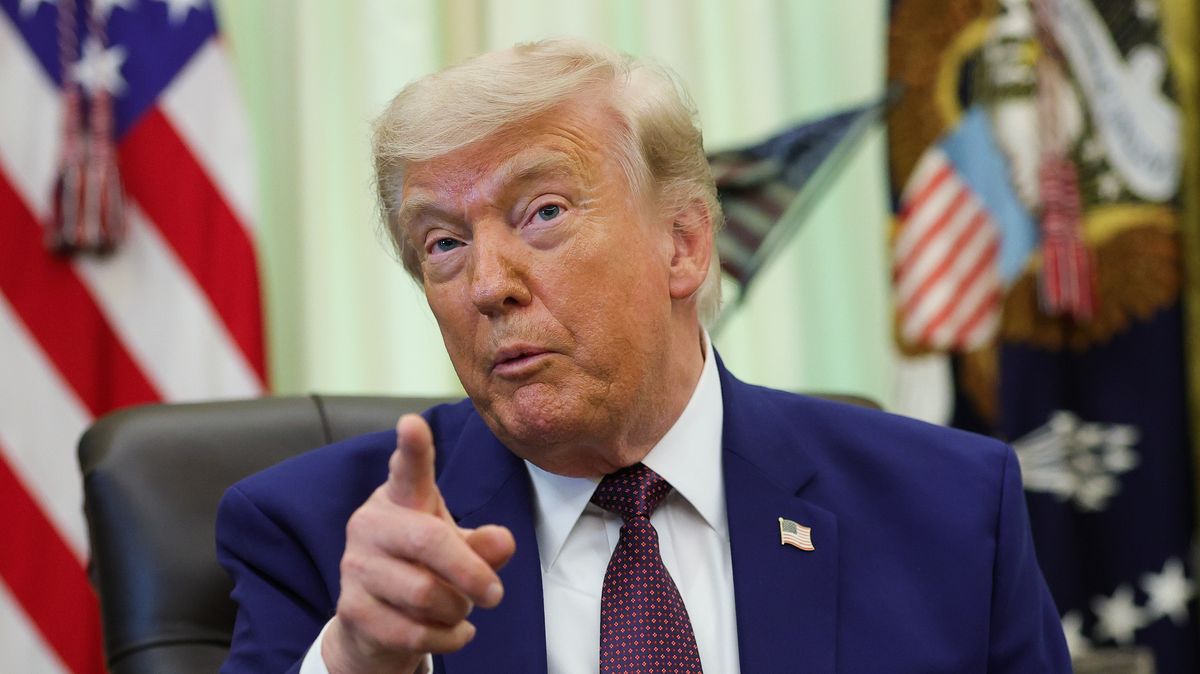
Trump has denied the existence of £223.4 billion in funds to be paid to Iran for post-war reconstruction, understood to be in the MOU(Image: AFP via Getty Images)
Most notably, the 12-point plan does not set in stone any pledge from Iran regarding its nuclear program, aside from a promise never to produce or obtain a nuclear weapon. The plan also states that Iran is willing to discuss its atomic program further after the MOU’s official signing ceremony on Friday in Switzerland.
It is also understood that the Strait of Hormuz will re-open to naval traffic on the very same day.
From then, another 60-day negotiation period that will commence to broker peace between the US and Iran, Iran’s Foreign Minister Seyed Abbas Araghchi has confirmed.
Here are the 12 points understood making up the MOU, with the details first reported by Axios journalist Barak Ravid. Ravid also works for Israel’s Channel 12.
- Iran, the US and their allies would stop fighting across the region — including in Lebanon.
- Tehran would reaffirm its pledge never to build a nuclear weapon.
- The US and Iran would work out what happens to Tehran’s enriched uranium stockpile.
- Both sides would open talks on Iran’s future enrichment activities and nuclear needs.
- Iran would maintain the “status quo” of its nuclear program — which has been largely decimated — while negotiations continue.
- The US would lift its naval blockade, hold off on new sanctions and refrain from sending more troops to the region.
- Iran would guarantee safe, toll-free passage for commercial ships through the Strait of Hormuz for 60 days.
- Washington would release an unspecified amount of frozen Iranian assets once the MOU takes effect.
- A final deal reached after the 60 days would see the US withdraw its forces within 30 days and lift all sanctions on Iran.
- It would pave the way for a USD$300 billion (£223.4 billion) reconstruction fund for Iran.
- The US would allow Iran to resume oil sales through temporary sanctions waivers.
- Iran, Oman and Gulf states would negotiate new shipping and maritime security arrangements for the Gulf.
Most notably, an agreement to see the hundreds of billions paid in war reparations has already ruffled feathers, with none other than the US President dismissing reports on Monday that the USD$300 billion (£223.4 billion) reconstruction fund for Iran was included in the MOU, with Trump branding it “fake news.”
“Iran has agreed to never have a Nuclear Weapon! Also, the story that the U.S. is paying Iran 300 million dollars is Fake News, put out by the Dumocrats!!!” he posted, signing off as “President DJT.”
However, numerous reports from different sources indicate otherwise, with US Vice President JD Vance appeared to confirm the possibility in a Monday morning CBS News interview. When questioned about the potential USD$300 billion (£223.4 billion) to rebuild Iran, he responded, “That’s the sort of thing they could have access to, funded by the Gulf Coast Coalition, so long as they honour their end of the obligation.”
As well as a promise to pay billions towards a bursary to assist with post-war reconstruction, the deal seems to have been sweetened by the unfreezing of an unknown number of assets, left crippled by US sanctions.
According to earlier reporting from the Times, two Iranian officials revealed that the next stage “would include discussion of the lifting of American sanctions, including on Iran’s oil sales and international banking transactions, in exchange for concessions on the Iranian nuclear program.”
Article continues below
 View 3 Images
Trump and Vance have made opposing comments in relation to the £223.4 billion rebuild funding, understood to be included in the MOU(Image: Getty Images)
Iranian Foreign Minister Araghchi outlined a two-stage process for ending the conflict. Initially, Tehran and Washington would sign the MOU, followed by negotiations toward a permanent peace agreement.
“The nuclear issue has been left for the second round and a final agreement,” Araghchi said.