


The bill that would let Jimmy Kimmel sue Brendan Carr is here
The JAWBONE Act would also require public disclosures of government correspondence with social media companies.
The JAWBONE Act would also require public disclosures of government correspondence with social media companies.
by Jun 11, 2026, 5:23 PM UTC Image: Cath Virginia / The Verge, Getty Images
 Lauren Feiner is a senior policy reporter at The Verge, covering the intersection of Silicon Valley and Capitol Hill. She spent 5 years covering tech policy at CNBC, writing about antitrust, privacy, and content moderation reform.
Under a new bipartisan bill, Americans could sue for damages if a government official illegally tries to coerce a social media, AI, or broadcasting company to remove their post — regardless of whether the platform actually does it.
Senate Commerce Committee Chair Ted Cruz (R-TX) and Sen. Ron Wyden (D-OR) introduced the JAWBONE Act on Thursday, which, in addition to letting individuals sue for these kinds of damages, would create new transparency requirements for government communications with social media, AI, and broadcast companies.
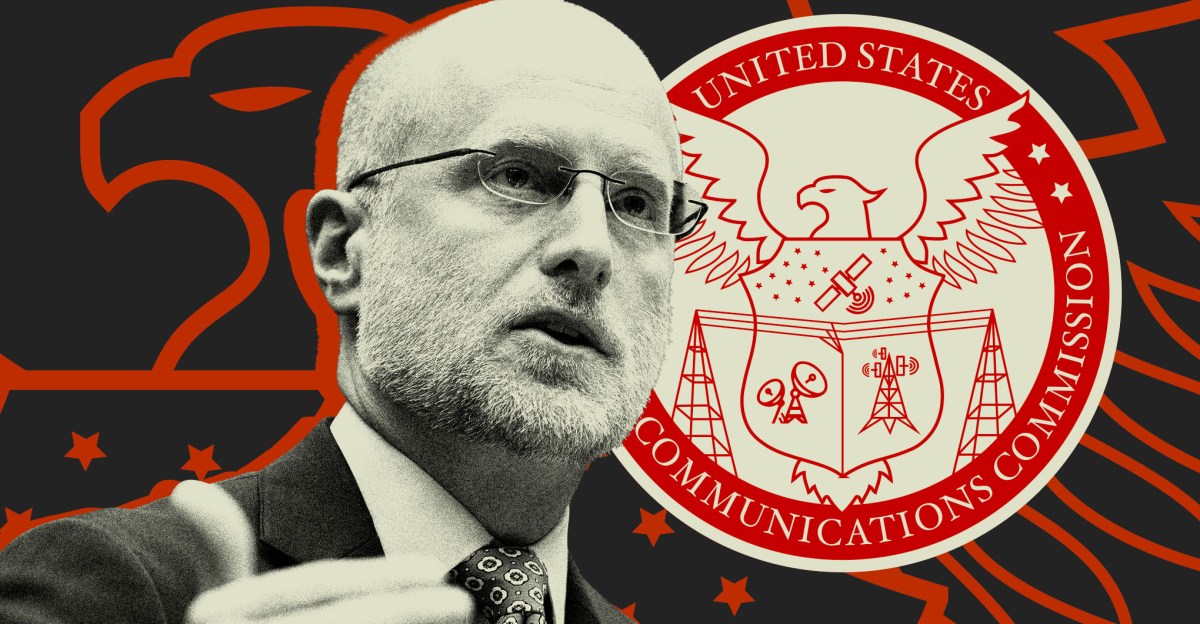
That could empower someone like Jimmy Kimmel to sue Federal Communications Commission Chair Brendan Carr, who threatened TV stations’ broadcast licenses after the comedian made a joke Carr disliked in the aftermath of Charlie Kirk’s killing. (Carr has denied the comments were threats.) It could also empower lesser-known social media users whose posts about medical misinformation or criticism of Kirk were removed or targeted, if they believe it was due to government coercion.
Cruz first teased the bill in the aftermath of Carr’s comments about Kimmel, which the senator characterized as “right out of Goodfellas.” But he’s said he’s worked on the bill since before that incident, and has repeatedly criticized Biden administration officials’ messages to social media companies about medical misinformation during the pandemic, which became the subject of a Supreme Court case. (The Supreme Court determined plaintiffs had no grounds to bring the lawsuit, and its ruling found a lack of clear evidence that platforms were moderating based on government coercion.)
The bipartisan sponsorship and a pool of supporters that includes the American Civil Liberties Union (ACLU), Foundation for Individual Rights and Expression (FIRE), and Knight First Amendment Institute at Columbia University, could lend credence to the bill. Cruz and Wyden’s statements each point fingers at the opposite party’s administration for allegedly engaging in the actions they seek to crack down on. “The Biden administration weaponized the Cybersecurity and Infrastructure Security Agency to pressure Big Tech into ‘canceling’ Americans who spoke out against vaccine mandates and election fraud,” Cruz charged. “The most blatant example is Trump threatening cable companies because he doesn’t like their late-night shows, but jawboning isn’t partisan, and it isn’t new,” Wyden said. If passed, the bill could make such incidents the subject of costly legal battles, on top of bitter political fights.
Follow topics and authors from this story to see more like this in your personalized homepage feed and to receive email updates.