


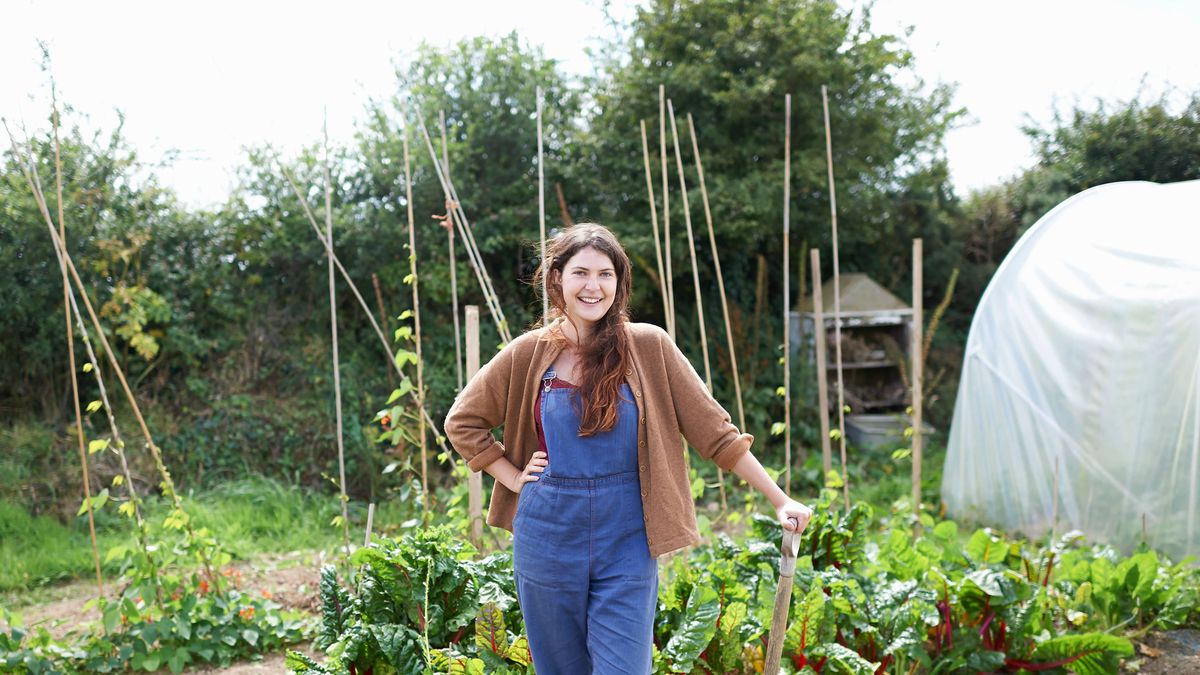
Growing your own vegetables can be incredibly rewarding, with even a modest patch producing a worthwhile haul for the dinner table.
Popular options that are generally easy to grow include salad leaves and greens, courgettes, peas and strawberries — but the catch is that slugs are just as keen on them as you are.
In just a matter of hours, or overnight, slugs and snails can strip thriving young plants right down to bare stems, leaving your vegetables badly damaged and often beyond saving.
These pesky garden invaders will also make short work of a crop of ripe strawberries long before you get the chance to pick them yourself.
While slugs serve an important purpose in the ecosystem, as many birds and other creatures rely on them for food, outdoor spaces can quickly become overrun with these gastropod pests, causing no end of grief for gardeners, reports the Express.
 View 2 Images
Slugs can destroy your crops in a matter of hours(Image: imageBROKER/Kevin Sawford via Getty Images)
Experts caution that slug pellets, even organic ones, can be harmful to the wildlife in your garden — but help is at hand in the form of everyday kitchen waste.
Eggshells have been found to be remarkably effective at deterring slugs from your garden crops.
It’s a tried-and-tested method, with gardeners washing and crushing the shells before scattering them around the base of vulnerable plants.
The eggshell technique works by preventing slugs from reaching the fruit and foliage of the plant. Some gardeners who have tried this method have left the egg shells in halves — creating a substantial sharp-edged barrier around the plant, and this has shown promising results.
Slugs are reluctant to crawl over the jagged edges — and that’s exactly why it works at deterring them. However, after rainfall, the eggshell method can become less dependable as the shells turn slippery.
The Royal Horticultural Society (RHS) has outlined another natural strategy that may also work well in protecting your vegetables from slugs.
On their website, RHS reported: “Traps, such as scooped-out half orange, grapefruit, or melon skins, can be laid out cut side down or jars part-filled with beer and sunk into the soil near vulnerable plants.
“Check and empty these regularly, preferably every morning.”
These natural traps will draw the molluscs away from your edible crops, enabling salad leaves, vegetables and strawberries to thrive without being eaten.
Article continues below
There’s also a biological control option available that presents no danger to other wildlife in your garden or outdoor area.
‘Nemaslug’ is an organic product containing microscopic worms that can be watered straight into the soil.
These worms, called nematodes, enter the slugs’ bodies and infect the slimy gastropods with bacteria that causes a deadly disease.