


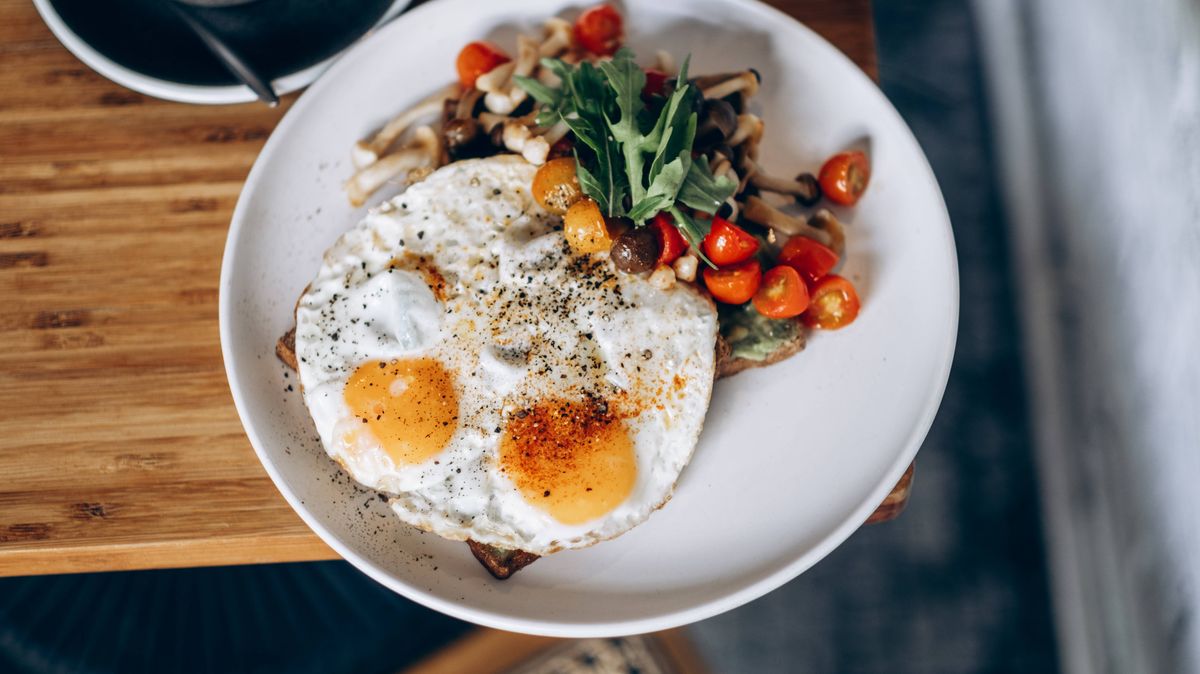
Filling, nutritious and delicious, eggs are a go-to breakfast. Frying is one of the most straightforward ways to prepare an egg, yet not all techniques deliver the same outcome.
Home cook and recipe developer Nancy Mock put three popular frying methods to the test, aiming for lightly crispy edges and tender whites. She compared three different cooking liquids and their effectiveness in producing the perfect fried egg.
Pitting butter and hot water against double cream and olive oil, her findings for Simply Recipes proved rather surprising. Despite butter being the go-to choice for many chefs and home cooks, it fell well short of the top spot.
 View 3 Images
Cooking in olive oil achieves the best fried egg results(Image: Getty)
Nancy revealed that the secret ingredient for the ultimate fried egg is, in fact, olive oil. To achieve this, add two tablespoons of extra virgin olive oil to a heated pan.
Warm the pan to a medium-high heat. The egg should be added once the oil is “loose and beginning to shimmer”. Nancy tilts the pan away so the oil forms a small pool at the edge, before gently sliding the egg into it.
Once the egg whites start to set, repeatedly spoon the hot oil over the top until fully cooked. She said: “The whites puffed up quite a bit and created a bubbling, milky film over the yolk. The egg was done in just one minute.”
Nancy said of the results: “As well as being the fastest of the three methods, this olive oil-basted fried egg struck the right balance.
 View 3 Images
It’ll only take a minute to cook the egg, the quickest of all the methods(Image: Getty)
“It had light browning across the bottom and a little crispiness at the edges. The whites were tender, with little golden pockets of the flavorful oil throughout.
“And beneath its milky veil, the yolk was still a little runny. Olive oil gave the egg flavour that was cleaner and lighter than the heavy cream method. 10/10!”
She described the olive oil fried egg as the top choice for those who enjoy a golden, crispy edge. Nancy prefers to serve this fried egg alongside a portion of home fries or tucked into a breakfast sandwich.
Article continues below
The butter and hot water method finished in last place. Nancy explained: “This approach traps steam in the pan to help cook the egg through quickly and gives the whites a soft, delicate texture.
“The downside is that the trapped moisture prevents almost all browning, so there’s no crispiness or added flavour at the edges; the egg is soft all the way through with just a little flavour from the butter.”
Cooking fried eggs in double cream produces a rich, golden brown colour on the base and edges of the egg, thanks to the milk sugars found in the cream. It also imparts a browned butter flavour to the finished egg.