


Hello, goodbye: the Beatles’ chaotic, controversial final tour – as never seen before
Tired, emotional and besieged by fans and enemies alike, by 1966 the Fab Four were ready to quit touring for good. A new collection of images by rock photographer Jim Marshall captures their last gigs
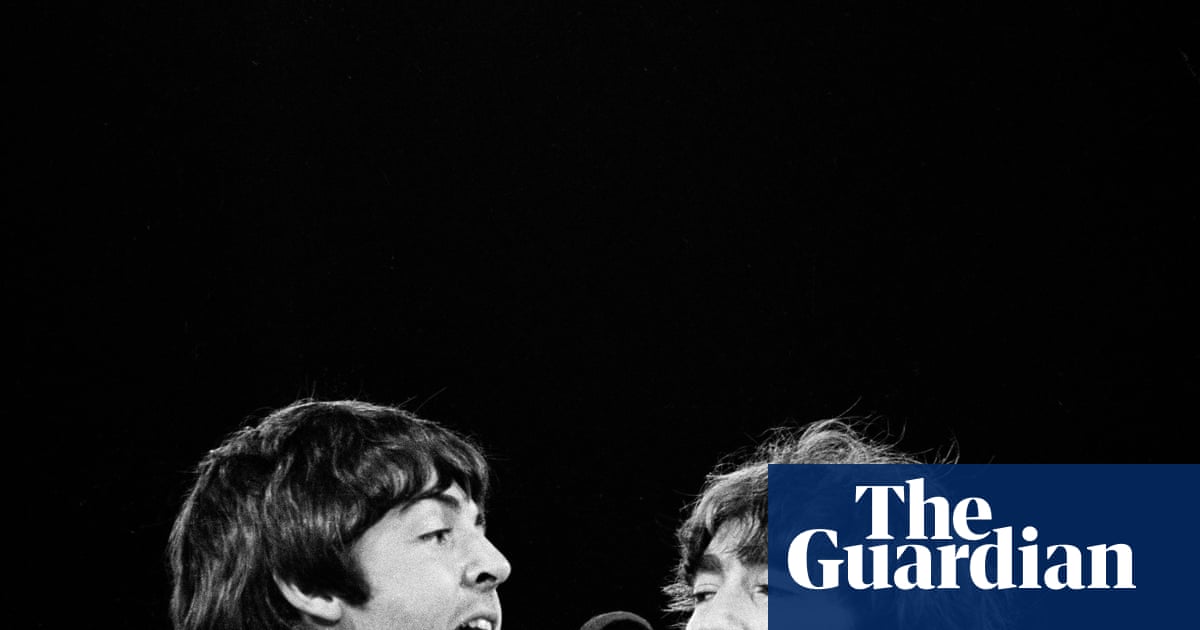
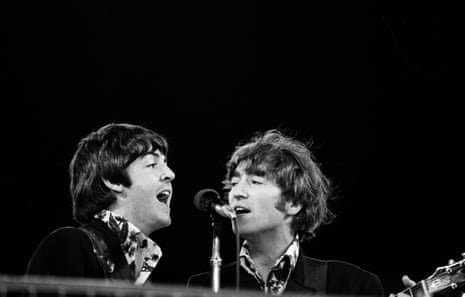
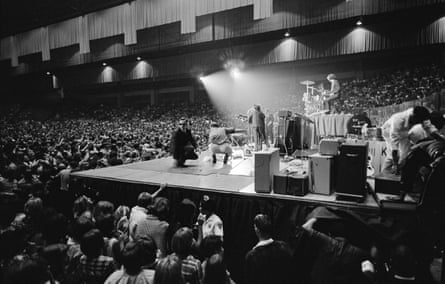
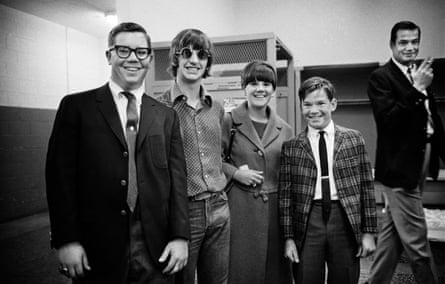
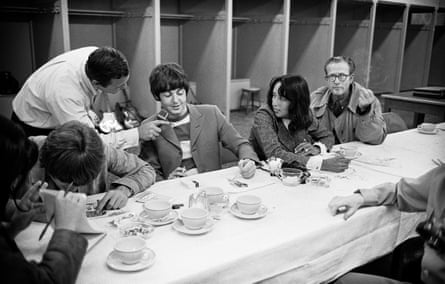
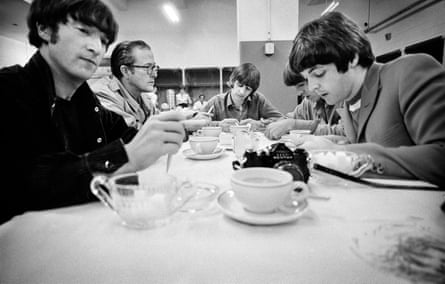
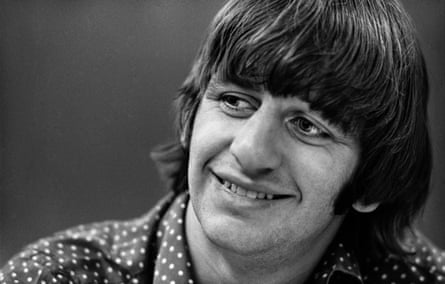
The Beatles played their last official concert on 29 August 1966, at Candlestick Park in San Francisco. Jim Marshall’s pictures capture the group at a pivotal moment, when they are already feeling nostalgia for what they are leaving behind.
Two months earlier, the Beatles had finished precording Revolver, a glittering collection of pop gems. The next day they boarded a plane to begin a global tour during which they would play nothing from it. They were not being perverse; it was simply that none of the songs lent themselves to live performance. On stage, they were a four-piece band. They could hardly play anything as complex as Eleanor Rigby or Tomorrow Never Knows to tens of thousands of fans.
Three years after their first No 1, the Beatles’ artistic development had split into two branches, one of which was withering. Until they came along, a recording was literally a record of a live performance. Please Please Me, the Beatles’ first album, was a collection of performances honed on stage in Hamburg and Liverpool. But the Beatles had come to see the studio as a creative platform in its own right; a place where they could experiment with different sounds and do things nobody else had done. That excited them in a way that live shows did not any more.
While artists like Bob Dylan and the Rolling Stones were inventing what we would now recognise as the modern rock gig, the Beatles’ minds were elsewhere. Consequently, even as their records raced into the future, their shows remained stuck in the past. The format of a Beatles concert in 1966 was still a kind of package-tour variety show, comprising five or six acts. The Beatles would come on last, play a breathless half‑hour set, and say goodnight.
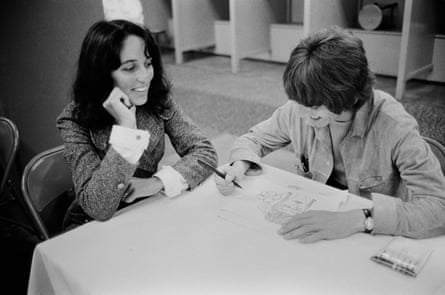
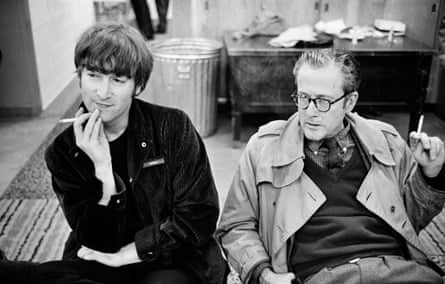
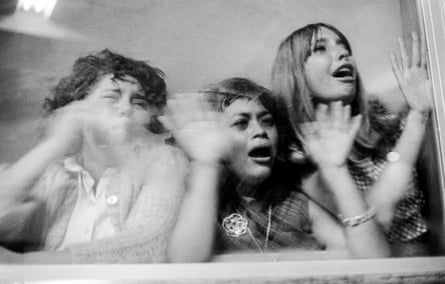
After the first giddy flush of global success, touring had lost its lustre. When they weren’t performing, the Beatles were confined to planes, cars and hotel rooms. On stage, fans pelted them with jelly beans – not as much fun as it might sound – or whatever came to hand, including bottles and shoes. In a 1965 show at the Cow Palace in California a crowd of fans surged past police; in the resulting crush, 30 people were injured, mostly teenage girls. (Joan Baez, who, along with Dylan, had grown friendly with the Beatles, was present. She was seen pulling kids out of the crowd and taking them to safety.) On more than one occasion the Beatles received death threats before a show.
When George Harrison said the Beatles swapped fame and money for their nervous systems, this is what he was talking about. Meanwhile, in every city they landed in, the band had to answer asinine questions at press conferences with whatever reserves of charm they could muster. They felt trapped inside public personas that were an increasingly uncomfortable fit. As John Lennon put it, “We have been Beatles as best we ever will be – those four jolly lads. But we’re not those people any more. We are old men.”
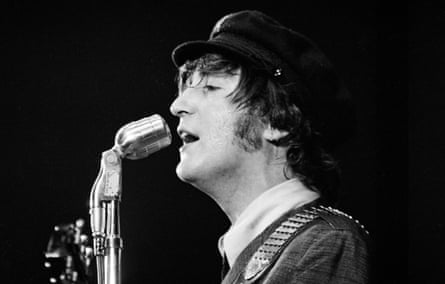
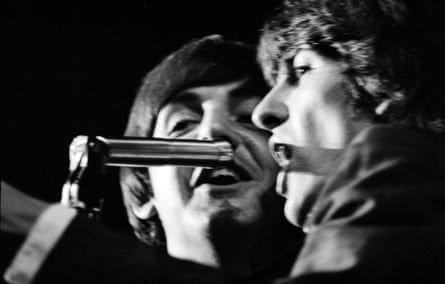
Still, it was not easy to stop touring. A pop group that didn’t perform live was almost inconceivable. Touring was lucrative for the Beatles and for the corporate machine of agents, promoters and merchandise sellers that had sprung up around them. But as they set off in 1966, they were asking themselves if it was worth it. The tour made up their minds.
After desultory gigs in West Germany, they set off for Tokyo, where protesters who viewed the group as a mortal threat to Japanese values marched in the streets, with banners reading GO HOME BEATLES. In the Philippines, they unwittingly triggered a political incident by refusing to attend a reception hosted by the first lady, Imelda Marcos. At the airport on the way out they were abused and jostled by a seething crowd. They were terrified.
In America, DJs in the deep south picked up on a stray remark by Lennon, about the Beatles being more popular than Jesus, and stoked a hate campaign, involving ritual burnings of Beatles records. At one point, it seemed as if their entire career was in jeopardy. The Beatles, used to sellout shows, played to stadiums with thousands of empty seats.
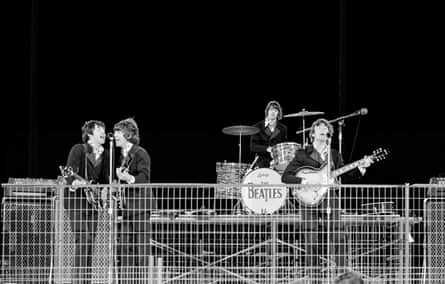
The tour was the most stressful and harrowing episode of their career to date. By the time they got to Candlestick Park for the last show, they had regained their equilibrium. Their fans were already turning the backlash campaign into a defiant joke (“Lennon Saves”). The Beatles had informed their manager, Brian Epstein, they were done. Having supported each other through all the controversies, they were closer than ever, and more sure of their creative purpose. In these photos they look weary but determined to enjoy this final concert as best they can. McCartney asked an aide to tape their performance as a memento.
That night they closed with Long Tall Sally by their hero Little Richard. After taking a bow, they were hustled into an armoured truck and driven away. A new phase would soon begin. Following a break, the Beatles gathered at Abbey Road in November to work on a new song from John, to be called Strawberry Fields Forever
The Beatles: Live at Candlestick Park 1966 by Jim Marshall, curated by Amelia Davis, is published by Chronicle Books at £30 on 11 June. To support the Guardian, order your copy at guardianbookshop.com. Delivery charges may apply.
- The Beatles
- Paul McCartney
- John Lennon
- Ringo Starr
- George Harrison
- Pop and rock
- Photography
- features