


More than 60 per cent of homes in the UK have pets, with 17.2million households keeping an animal and 38million cats, dogs, rabbits and other companions living with us. When animals die it can be hard to know what to do with them – with a vet-led cremation costing up to £450.
Animals from guinea pigs and hamsters to cats and dogs often get buried in a garden – but owners may be unaware that there are very strict rules around buying dead animals. Rules are in place to prevent environmental pollution and other hazards.
And while there are rules for homeowners, there are even stricter rules for pet cemeteries, which have to be registered with the Animal and Plant Health Agency and comply with the Animal By-products (Enforcement) (England) Regulations 2013.
 View 4 Images
A pet grave in a garden
A spokesman for Respect Woodland Green Burials said: “Burying a pet is legal in the UK, but there are key rules to follow. Just like human burials, pet burials are heavily regulated; pet burials fall under stringent guidelines.”
They added: “If you plan to bury your pet in your garden or on private land, you must own the property or have explicit permission from the landowner. Tenants should always check with their landlord before proceeding.
“The burial site must be safe and appropriate not in public view; it cannot pose risks to water sources for public health reasons and the protection of wildlife. The Environmental Protection Act 1990 prohibits burying a pet near a watercourse to avoid contamination.
“Guidelines recommend keeping burial sites at least 10 metres from any water source and 50 metres from a well or borehole. The pet’s body must be buried at a sufficient depth, typically at least 1 metre to deter scavengers and ensure proper decomposition.
“Non-biodegradable materials, such as plastic wrapping, should be avoided to meet environmental standards. Adhering to these rules ensures your pet’s resting place is both lawful and respectful.”
 View 4 Images
You should not use non biodegradable material
For exotic or wild animals like reptiles and birds of prey, the Wildlife and Countryside Act 1981 may apply. Protected species might require special handling or reporting to authorities like Natural England. Larger animals, such as horses, face stricter rules due to their size and environmental impact.
The Respect spokesman said: “The Animal By-Products Regulations (EU) 1069/2009 , enforced in the UK, classify deceased animals as ‘by-products’.”
If your pet was euthanised by a vet, the drugs used – typically pentobarbitone – remain in the body after death. These are controlled substances and can pose a risk to wildlife, scavenging animals, and the surrounding environment if the burial is too shallow or poorly placed.
A spokesman for MyPetFarewell said: “The Animal By-Products Regulations state that if a pet ‘may prove hazardous to anyone who may come into contact with it’, home burial may not be appropriate. If your pet was euthanised, received chemotherapy, or was given any controlled drugs before death — always speak to your vet before burying them at home. Your vet can advise whether it is safe to proceed.”
Burying a horse on private land is permitted, but the site must be at least 250 metres from a watercourse, 50 metres from a well, and deep enough (often 1.5–2 metres) to prevent scavenging.
 View 4 Images
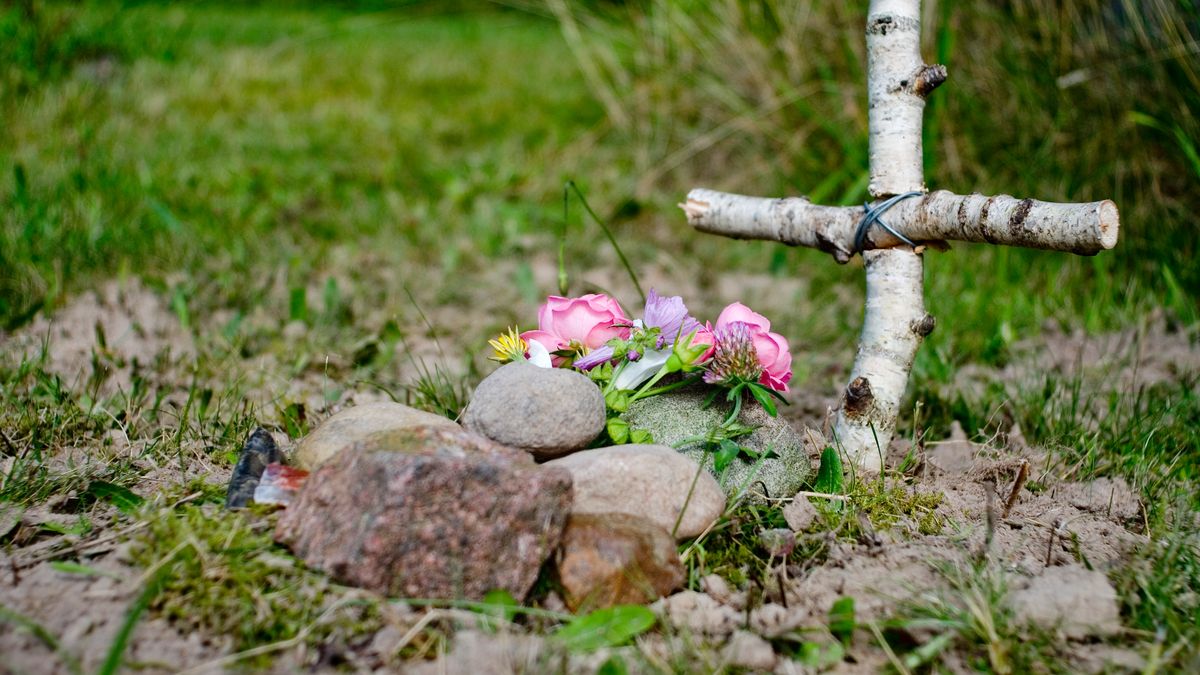
Stones mark out a grave for an unknown animal in a rural field
The Government says there are also rules around disposing of ashes. A spokesman for the Environment Agency said: “You do not need permission to scatter or bury ashes from a single pet cremation on your own land, or make any formal record of doing so. You should get permission from the landowner if you want to scatter or bury ashes on someone else’s land.
“If you scatter ashes across surface waters, such as a river, you should make sure the effect on the environment and wildlife is minimal and it will not affect other watercourse users and not scatter any memorabilia or other items, as they may harm the environment and wildlife.”
Article continues below
The Respect spokesman added: “Think about your future: burying a pet in your garden might suit you now, but moving house could mean leaving them behind. “