


Mark Zuckerberg’s longest-serving employee on AI, jobs – and her boss
1 hour agoShareSaveAdd as preferred on GoogleZoe KleinmanTechnology editor

 BBC
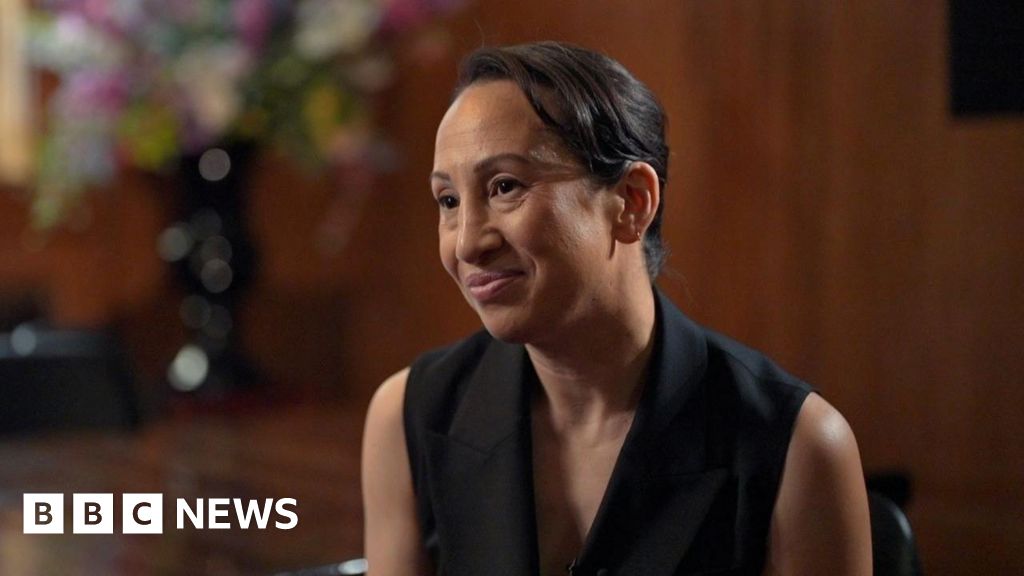
BBCWhen Naomi Gleit joined Meta nearly 20 years ago, she was the firm’s 29th employee.
Today, she is its longest serving staff member – apart, that is, from founder Mark Zuckerberg.
Since joining him at the age of 21, Gleit has watched a start-up called Facebook transform into a tech giant called Meta, and weathered many storms and controversies along the way.
Now head of product, she told the BBC working at Meta was her “dream job” – even if, two decades ago, her family took some persuading that she’d made the right decision.
“My mom was very disappointed, she wanted me to work for Lehman Brothers,” she laughs.
The investment bank collapsed in 2008, triggering a global financial crisis.
Meta, meanwhile, is still going strong but has experienced its own earthquakes: from privacy scandals and election rigging accusations to teen mental health crises and toxic online harms.
Zuckerberg’s ‘unfair’ reputation
Gleit acknowledges there have been moments where the company “didn’t meet our standards” or missed the mark.
But she says there is much she is proud of too – and Facebook’s infamous “move fast and break things” motto was a “misunderstood value in isolation”.
Similarly, she feels Mark Zuckerberg’s tech bro bad guy reputation is “unfair”.
To some, Zuckerberg is an archetypal big tech boss – worthy of scrutiny not just for his company’s scandals but also for seeming cold, robotic and ruthless.
Actor Jesse Eisenberg, who played the Facebook founder in 2010 film The Social Network about the firm’s origins, told the BBC last February he did not want to think of himself as associated with him and his “problematic” actions.
Succession star Jeremy Strong will soon portray Zuckerberg as the more steely, savvy boss behind a huge social media empire in follow-up, The Social Reckoning.
 AFP via Getty Images
“I think that the difference between what people think of Mark and how Mark actually is, is huge,” Gleit says.
“He’s also a great husband and a great dad to three little kids, and it’s been really incredible to watch just how he’s become the leader that he is today,” Gleit says.
There’s a slightly pregnant pause when I ask Gleit what Zuckerberg is like as a boss, before she settles on “awesome”.
One of her team jokes that this will come up in her appraisal.
AI transformation
Gleit came to the UK this week from Meta’s US HQ to talk about the firm’s latest big disruptor: AI agents.
Agents are like an advanced form of chatbot – capable not just of answering questions but able to fully carry out tasks.
Gleit says these agents can be “superpowers” for small firms, so Meta is incorporating them into WhatsApp, which counts hundreds of millions of business users among the 3.5 billion people worldwide who are on the platform.
The company plans to charge firms great and small to have AI agents running their WhatsApp chats with customers on their behalf, day and night, and providing business insights.
“We’re really focused on what businesses need, and what they tell us is they’re getting so many messages from people,” Gleit says.
AI agents, she suggests, will be better at helping them cope and liaise with customers than with existing tools.
Questions abound, though, about the reliability of AI agents – and there are concerns they will use their autonomy to act erratically.
Earlier this week, Meta had to fix an issue which allowed hackers to trick an Instagram AI support tool into giving them access to other users’ accounts.
The problem there, Gleit says, was unrelated to the agent itself – and she insists safety is the company’s “priority and focus.”
She says the tech is of particular value to small businesses who can get access to customer insights mostly available to large companies who can afford to hire loads of people to do the work for them.
But what happens to the people who might otherwise do those jobs?
Gleit says there is no doubt AI will “transform” the workforce, but she is optimistic about the creation of new, as yet unknown, jobs.
“When I was growing up my job as a product manager didn’t exist because there was no internet,” she says.
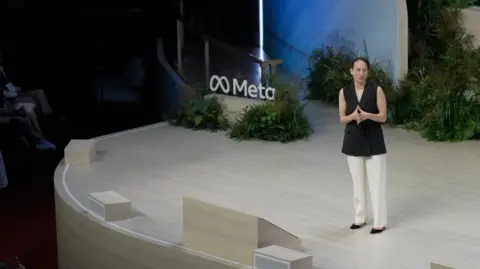
Meta is shedding staff though, having recently laid off 10% of its employees while investing more in AI.
Staff have also kicked back against the use of key stroke monitoring to track their work in order to train Meta’s own AI tools.
The company has since reportedly scaled back its plans – allowing employees to opt-out, but only for 30 minutes at a time.
Gleit’s advice to young people wrestling with how AI tools like those she is promoting will affect their careers is “be curious”.
She says that thanks to AI, she is able to code for the first time in her life, and Zuckerberg, who was coding Facebook when she met him, is back coding again.
“Even at work we are all learning new skills,” she says.
Facebook whistle-blower sits in silence in panel discussion about her tell-all book
Meta shares slide as plan to spend billions more on AI spooks investors
Smart glasses are ‘an invasion of privacy’ – Meta’s are selling better than ever

Sign up for our Tech Decoded newsletter to follow the world’s top tech stories and trends. Outside the UK? Sign up here.
FacebookWhatsAppSocial mediaMetaArtificial intelligence