


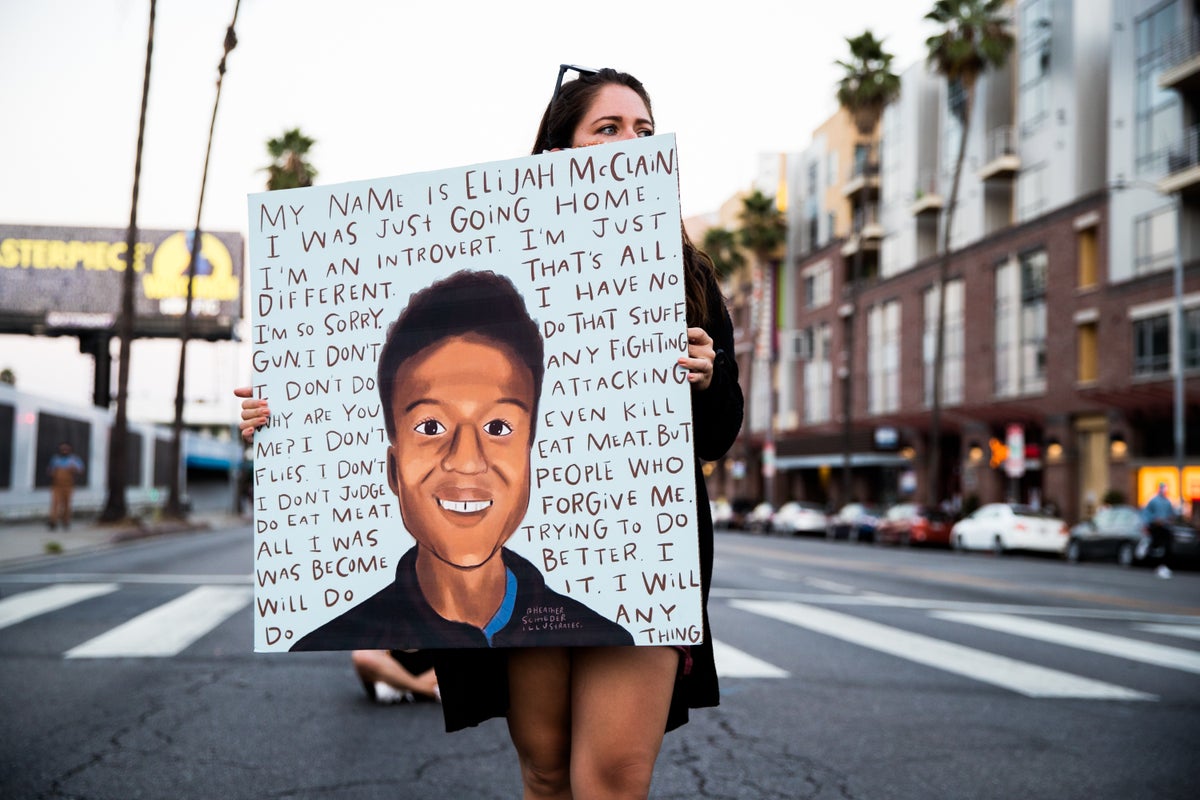
A Colorado appeals court on Thursday overturned the homicide convictions of two paramedics in the 2019 death of Elijah McClain, a Black man who died after being restrained by police and injected with a dose of ketamine.
McClain’s final words, “I can’t breathe,” echoed those later spoken by George Floyd, whose death in 2020 helped fuel nationwide protests against racial injustice and police brutality. McClain’s case also became a prominent symbol of the social justice movement.
The court ordered new trials for Aurora Fire Rescue paramedics Jeremy Cooper and Peter Cichuniec.
McClain, 23, was stopped by police while walking home from a convenience store in the Denver suburb of Aurora after officers responded to a report of a suspicious person in 2019. He was forcibly restrained and placed in a neck hold before paramedics administered ketamine.
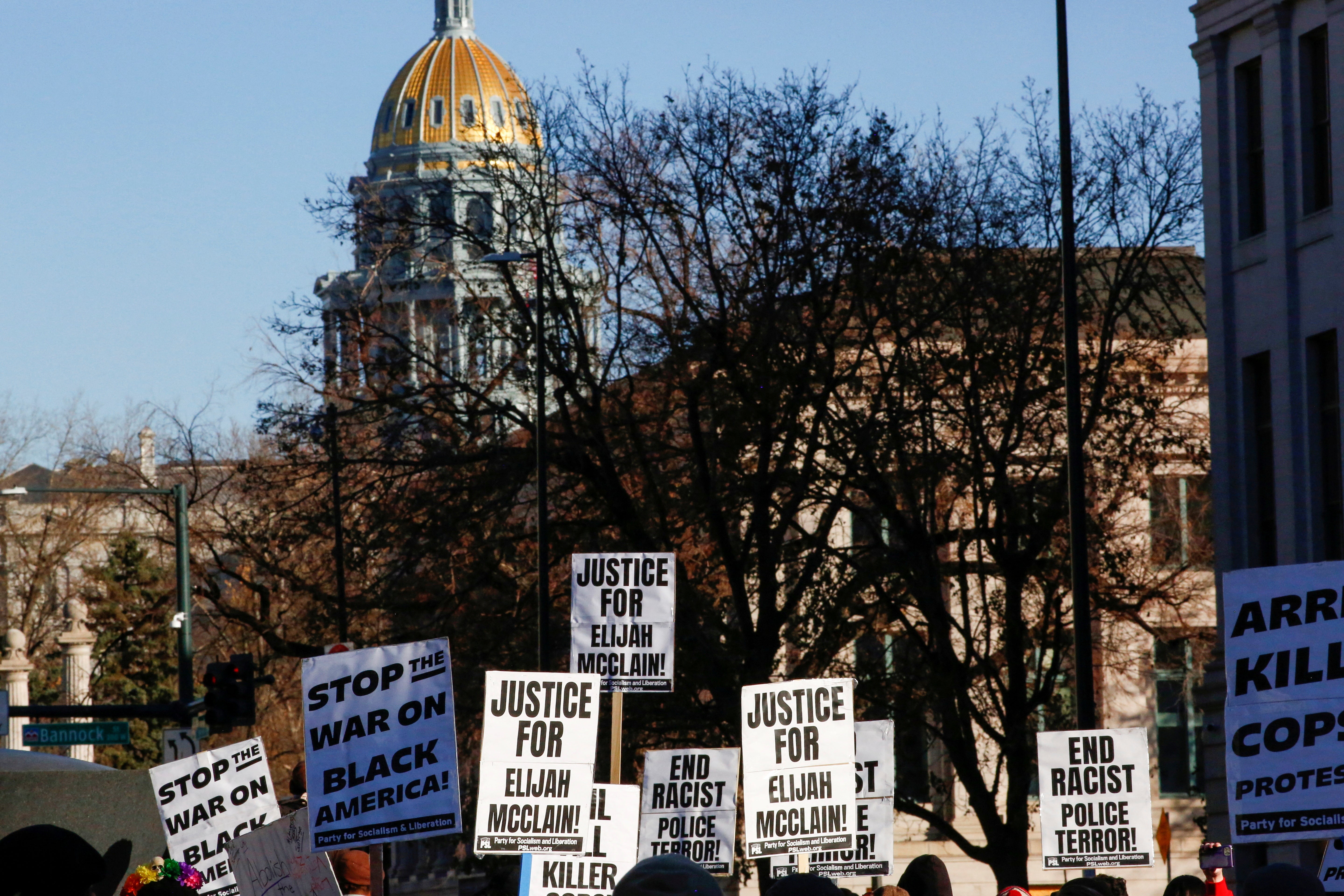
Criminal charges against paramedics and emergency medical technicians involved in police custody cases are rare. As McClain’s death and others raised questions about the use of ketamine to subdue struggling suspects, this prosecution sent shock waves through the ranks of first responders across the U.S.
New trials in the case will return the issue to the spotlight, and that could make first responders think twice when responding to calls involving people in police custody, said University of Miami criminologist Alex Piquero.
“At 11 o’clock tonight when they’re on a call, and the circumstances are the same, is this going to influence their behavior?” Piquero asked. “It may not be the first thing that comes into their heads, but it’s going to be there.”
A jury in 2023 found Cooper and Cichuniec guilty of criminally negligent homicide following a weekslong trial in state district court. The jurors also found Cichuniec guilty of second-degree felony assault.
Cichuniec received five years in prison. Cooper avoided prison and was sentenced to 14 months in jail with work release and probation.
State attorney general says he will appeal
The appeals court upheld Cichuniec’s assault conviction but faulted the instructions given to jurors with respect to the criminally negligent homicide charges before they deliberated. Thursday’s ruling sends their cases back to a lower court for a new trial on that charge.
Colorado Attorney General Phil Weiser will appeal Thursday’s decision, a spokesperson said.
“Bringing these cases to trial was the right thing to do for justice, for Elijah McClain, and for healing in the Aurora community,” Weiser said in a statement. “The attorney general’s office is committed to defending these convictions through the appeals process.”
An Aurora police officer was convicted of homicide and third-degree assault in McClain’s death, while two other officers were acquitted.
Cichuniec was released early from prison in 2024 after a judge reduced his sentence to four years of probation. That judge, Mark Warner, cited “unusual and extenuating circumstances,” a part of Colorado’s mandatory sentencing law that allows a court to modify a sentence after a defendant has served least 119 days in prison. Warner said that Cichuniec had to make a quick decision the night of the arrest as the highest-ranking paramedic at the scene.
The International Association of Fire Fighters said in a statement it continued to support Cooper and Cichuniec, who are members of the labor union.
“Today’s ruling recognizes the challenges paramedics face when making split-second medical decisions in rapidly evolving situations,” said Edward Kelly, the association’s general president.
Local prosecutors initially declined to bring charges in McClain’s death
Local prosecutors initially decided not to bring charges in McClain’s death largely because an initial autopsy was inconclusive on how he died.
Following the nationwide protests over Floyd’s death, Democratic Gov. Jared Polis directed Weiser to re-investigate the McClain case. A grand jury indicted the two paramedics and three police officers when Dr. Stephen Cina, a forensic pathologist who performed McClain’s autopsy, changed his findings to pin the blame on the sedative ketamine after reviewing body camera footage from the scene.
The city of Aurora in 2021 agreed to pay $15 million to settle a federal civil rights lawsuit brought by McClain’s parents.
The Associated Press left a voicemail seeking comment with the attorney for McClain’s mother, Sheneen McClain. Other requests for comment were left with the paramedics’ lawyers.
The paramedics’ defense attorneys argued they followed their training in giving ketamine to McClain after deciding he had “excited delirium,” a disputed condition invoked to justify excessive force that some say is unscientific. They also said prosecutors did not prove the sedative was what killed him.
Paramedics in Aurora had been trained to use the drug for the condition in 2018. State officials have since told paramedics to stop using excited delirium as a basis for administering ketamine.
An activist who befriended Sheneen McClain after they met at a protest said the appellate ruling was disappointing and “one of the most divisive judicial decisions our state has experienced in recent memory.”
“It strikes at the heart of a question that Colorado continues to struggle to answer: When a Black life is taken under circumstances that shock the conscience of the public, what does accountability truly mean?” said MiDian Shofner, CEO of the Epitome of Black Excellence and Partnership.