


Families are being urged to buy British to help save the nation’s chippies.
The soaring cost of cod and haddock – the two overwhelming fish supper staples – is piling pressure on shop owners. Around 1,500 fish and chips shops have closed in the past three years, with fears thousands more could go.
To protect takeaways from the volatility of importing fish – most cod and haddock comes from Norway and Iceland – industry chiefs are keen for shops to put “Britfish” on the menu.
 View 2 Images
Diners urged to try something different when they order a chippie supper(Image: Copyright © Carla Mundy)
Examples of UK caught species include hake, coley, monkfish, rock salmon, and sea bass. But they say this can only happen if customers are willing to make the switch. While some of those used to be seen as pricey, the rocketing cost of cod – up 200% in the past two years – mean they are often comparable. The plea has been issued on National Fish and Chip Day.
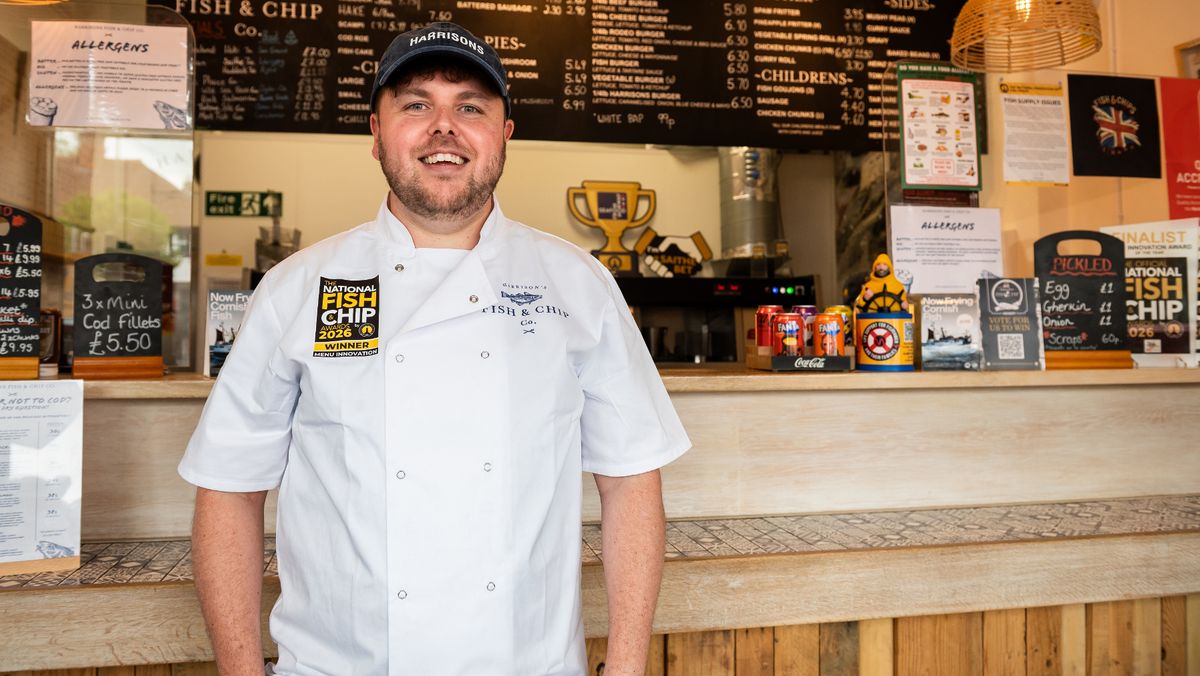
Ryan Harrison, who has run Harrison’s fish and chip shop in Oxford for five years, sells Cornish rock salmon for £10.95, just a pound more than cod.
He said: “We offer a range of battered UK-caught species alongside other options on our menu. It makes good business sense for us. We have a diverse mix of customers and it means a bigger variety of fish for them at different price points, and more options for us now and into the future. And because it’s good for our UK fishermen too, it’s a no-brainer.”
John Molnar has four shops across land-locked Nottingham. He said: “UK tastes and habits are evolving all the time and once you put something different in front of customers, many want to try it. The younger ones in particular. Britfish for us has included Brixham monkfish goujons alongside baked hake and new experiments with seafood-loaded fries.”
Article continues below
Gavin O’Donnell, a spokesperson from Discover Seafood, said: “In the UK, we export 70% of the seafood we catch and import 80% of what we eat. Yet we have a national food strategy focused on raising the profile of British-grown and produced food, more resilient food systems and better environmental outcomes. So there are real opportunities for UK-caught seafood.”
He added that it could also deliver a boost to the UK fishing industry, explaining: “For every job at sea there are five jobs on land.”
Andrew Crook, president of the National Federation of Fish Friers, says: “This collaboration is really important. What Ryan and John and others are doing is great – they’ve proved there is a real commercial opportunity there. We will certainly always need imported fish, but the domestic catch can help us navigate current challenges in supply and benefit not just fish and chip shop owners but UK fishermen and coastal communities too.”