


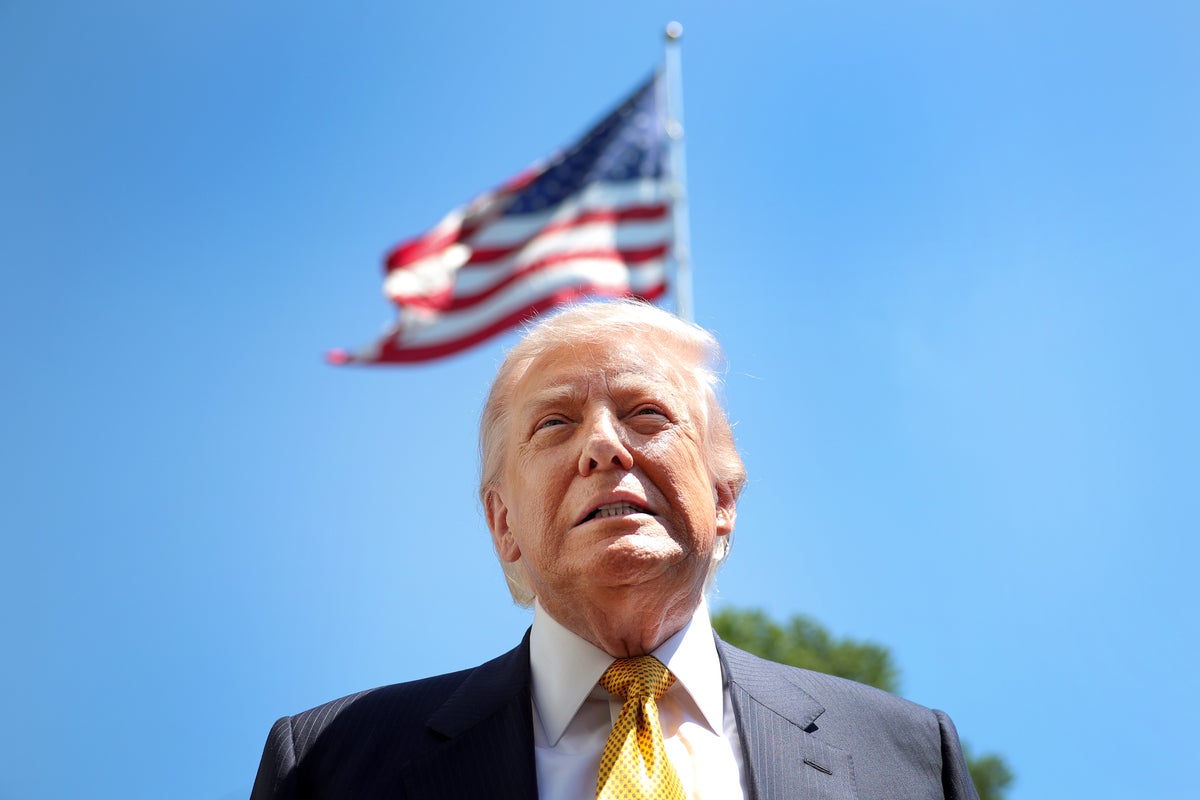
Negotiations between the US and Iran over an end to the war on the country have been languishing in a stalemate for weeks as both sides remain intransigent about key issues including nuclear development and the situation in Lebanon.
The US is insistent that Tehran surrender its right to ever develop highly enriched uranium and appears to have been manoeuvring to install a government more sympathetic to Western interests.
Meanwhile, Iran has said that it will never agree to a deal that does not ensure the sovereignty of Lebanon and its borders from Israel – with Israeli strikes against Hezbollah in Lebanon continuing – and has insisted on its ability to hold on to some nuclear development capabilities.
This has likely not been helped by Iran’s particular “bazaar style” negotiation strategy, which aims to wear down its opponents.
 open image in gallery
Mirroring its military strategy, which has often been referred to as a “war of attrition”, Iran is willing to endure weeks of intense haggling in a bid to get its way in the long-run.
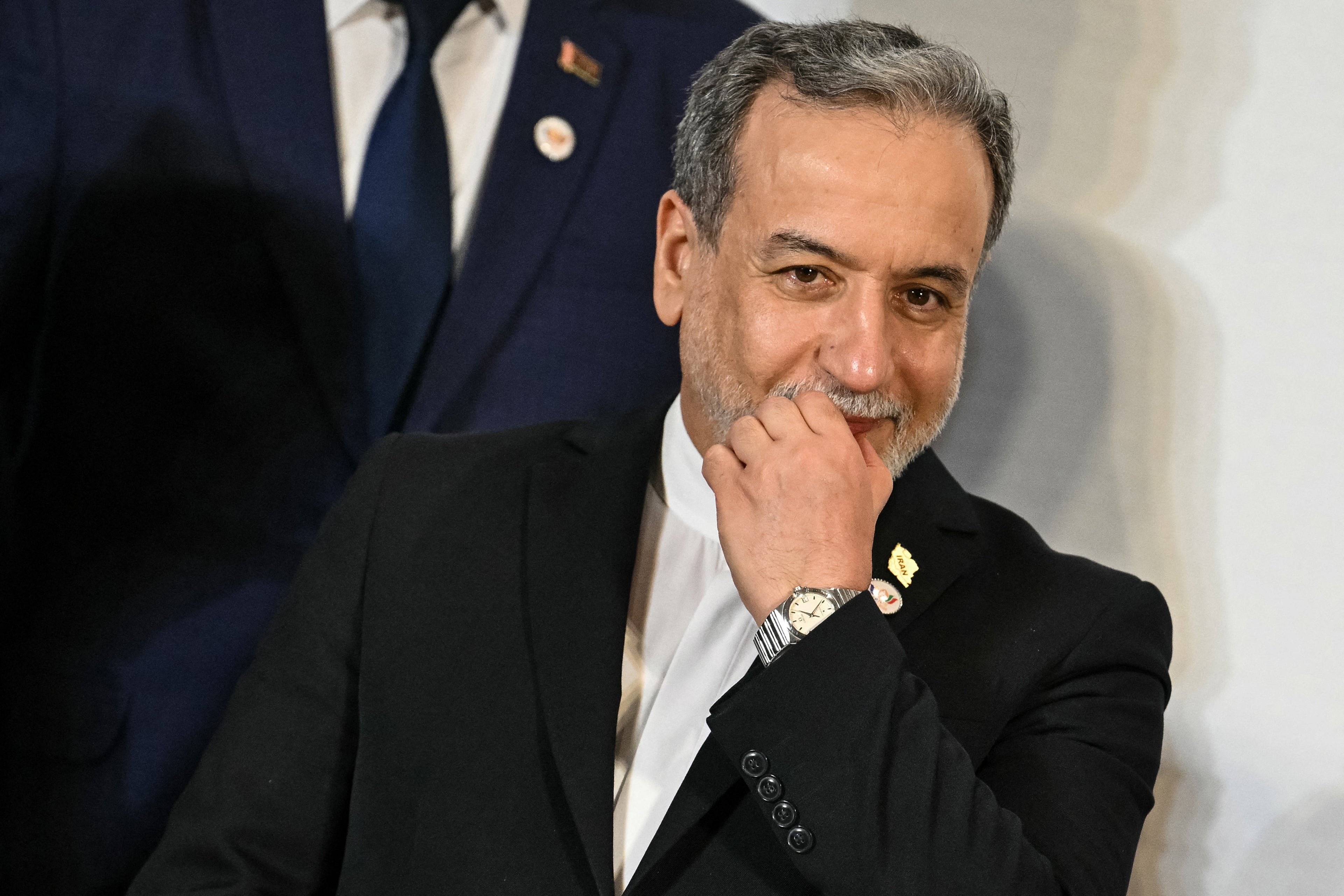
It is something top diplomat and Iranian foreign minister Abbas Araghchi has been open about in his political memoir on diplomacy, The Power of Negotiation, published in 2025. The politician is a highly-skilled negotiator who has represented Iran in high-stakes talks for decades including having worked with Iranian president Hassan Rouhani on nuclear talks in the early 2000s.
“The Iranian negotiation style is generally known in the world as the ‘bazaar style,’ which means continuous and tireless bargaining,” Araghchi wrote in the book.
In a footnote to the text, he compared it to memories of his late mother’s bartering skills.
“This method is a process of interaction that requires great patience and time.” Therefore, he adds: “He who gets tired and bored quickly will lose.”
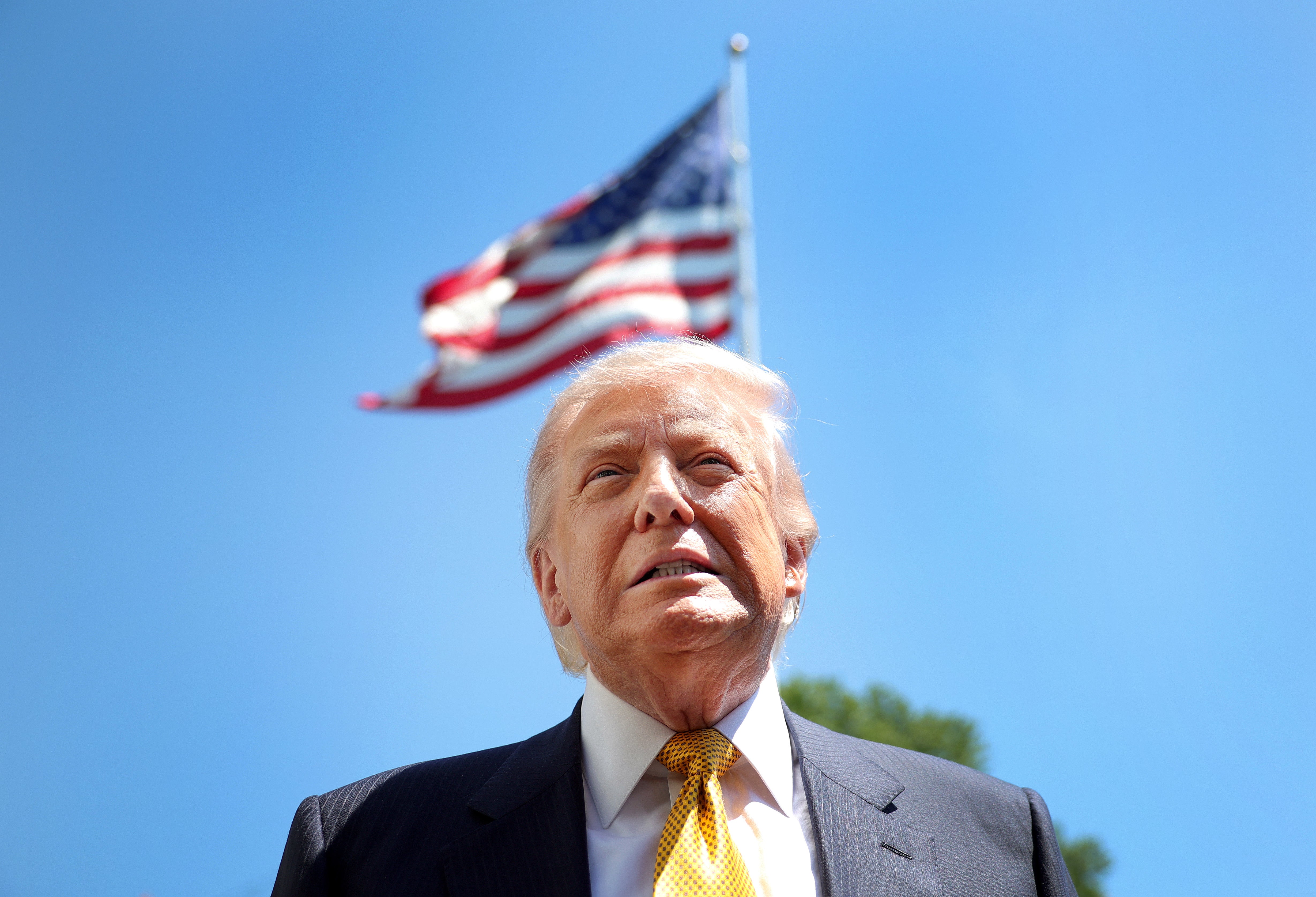
At the start of the conflict President Donald Trump had insisted he would “never got bored”. In an interview with reporters on 2 March, days after US-Israeli strikes killed supreme leader Ayatollah Ali Khamenei on 28 February, the US leader said: “Somebody actually said from the media, I think he’ll get bored after about a week or two. No, we don’t get bored. I never get bored. If I got bored, I wouldn’t be standing here right now, I guarantee you that, to go through what I had to go through.”
But this week, he said he had started to find discussions “very boring”.
 open image in gallery
Trump’s style embodied in his business memoir, The Art of the Deal, is more akin to a commercial business transaction, or as Dina Esfandiary, Middle East Geeconomics Lead at Bloomberg Economics describes: “Like shopping in Macy’s”.
“What Araghchi describes is a disciplined way of stretching the negotiation process until the other side reveals its impatience, its internal divisions, or its real bottom line,” says Aurélien Colson, academic co-director of the ESSEC Business School Institute for Geopolitics & Business.
“Delays, repeated demands, tactical ambiguity and procedural complexity are not necessarily signs that talks have failed. They may be part of the negotiation itself.”
It explains why Iran, unlike other countries more pliable to American pressure, have resisted giving in to demands despite a serious imbalance in military might and power. Prolonging talks, maintaining ambiguity and extracting incremental concessions while biding their time, is all part of the technique.
 open image in gallery
“That matters greatly in the current confrontation between Washington and Tehran,” explains Colson. “The clash is not only about nuclear facilities, the Strait of Hormuz, sanctions, regional influence or security guarantees. It is also a clash of negotiating tempos.”
This clash has become more apparent as the weeks progress with no end in sight. At the start of the conflict, Trump had insisted that the war would be over very quickly, in a matter of “four to five weeks” at most.
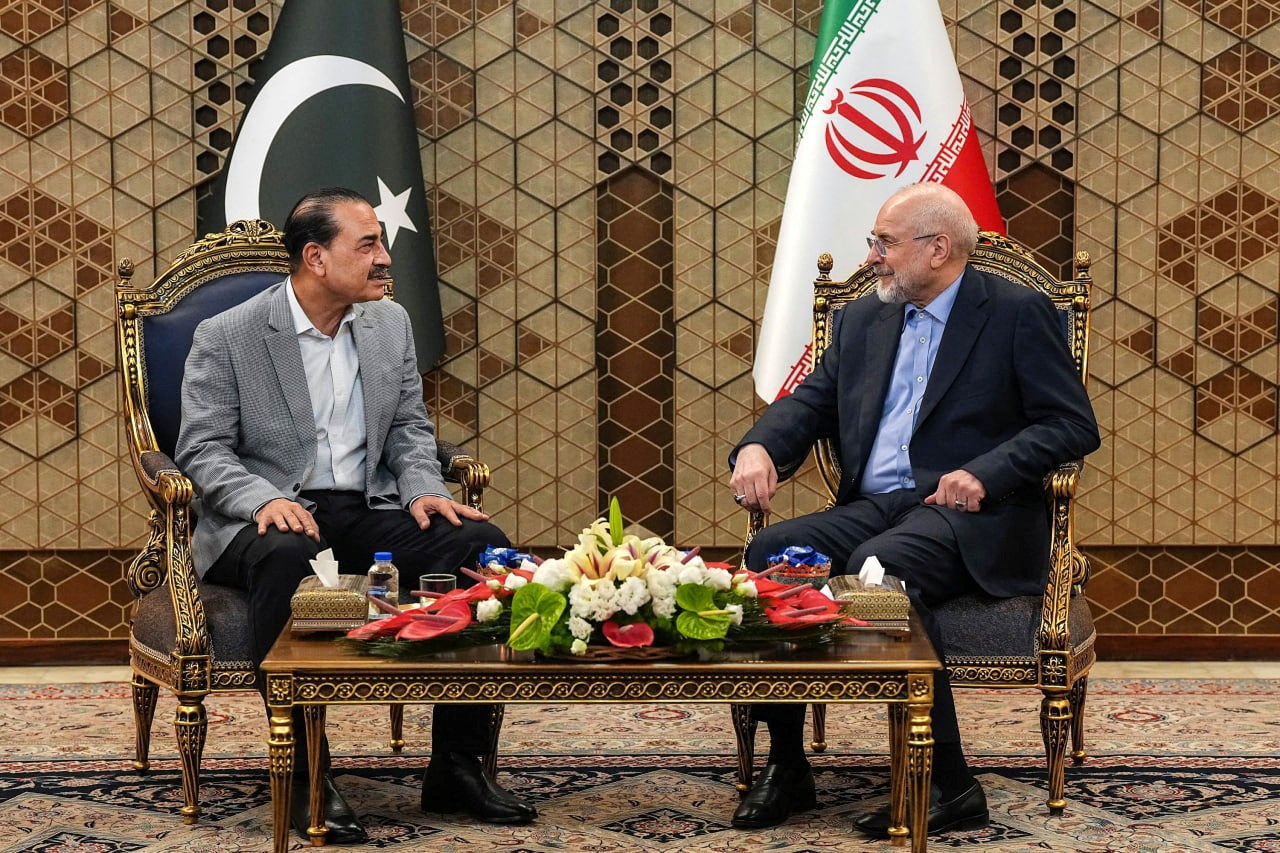
Yet, months later and despite rounds of high-profile Pakistan-brokered talks, the Strait of Hormuz remains under the control of the Iranian Revolutionary Guard Corps, and there appears to have been little movement towards any of the US’s original goals.
The US secretary of state, Marco Rubio, has even implored the United Nations to intervene in a move unlike the usual impression of American might on the world stage.
“Trumpian diplomacy tends to value speed, spectacle and a visible deal. The Iranian style described by Araghchi values patience, ambiguity, repetition, and attrition,” says Colson.
However, Araghchi who has been described as calm and patient, but still combative and resilient when required, has also warned against overplaying your hand.
“When you sell snow under the sun, bargaining more than necessary is a loss,” he wrote in the book. On 25 February he said a “historic” deal was within reach before he condemned the shock attacks on Iran days later as “wholly unprovoked, illegal, and illegitimate”.
Whether Tehran’s style amounts to deliberate stalling or a tough strategy of diplomacy remains to be seen.