


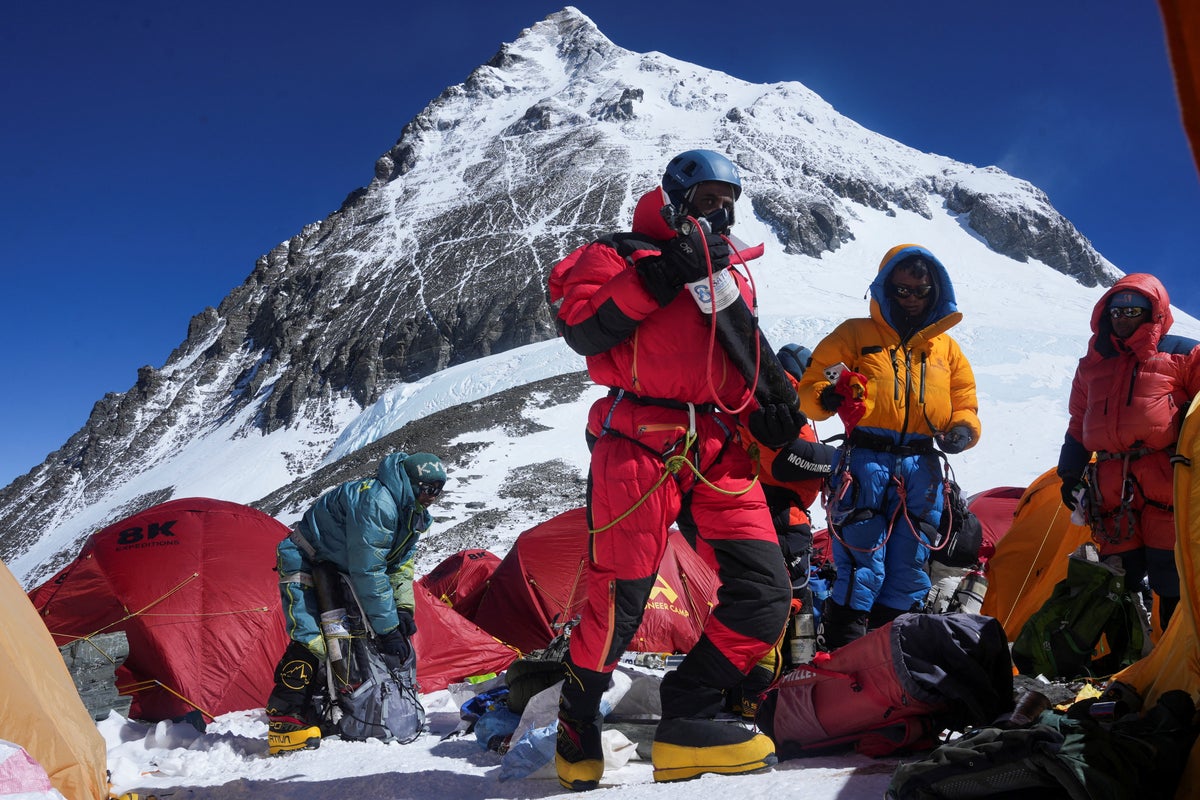
More than 1,000 climbers reached the summit of Mount Everest during the 2026 climbing season, making it the busiest season on record, Nepalese officials have said.
This year’s total surpassed 2019’s record of 877 successful summit climbs.
“We had such a successful season this year; it was the largest Everest season on record,” Nepal Tourism Office’s Khim Lal Gautam, who is stationed at Everest’s base camp, was quoted as saying by Outside magazine.
However, Himal Gautam, an official from Nepal’s tourism department, told AFP that even though more than a thousand climbers reached the summit this season, “the final number will have to be verified”.
Climbers and officials attributed the surge in climber numbers to an unusually long period of stable weather.
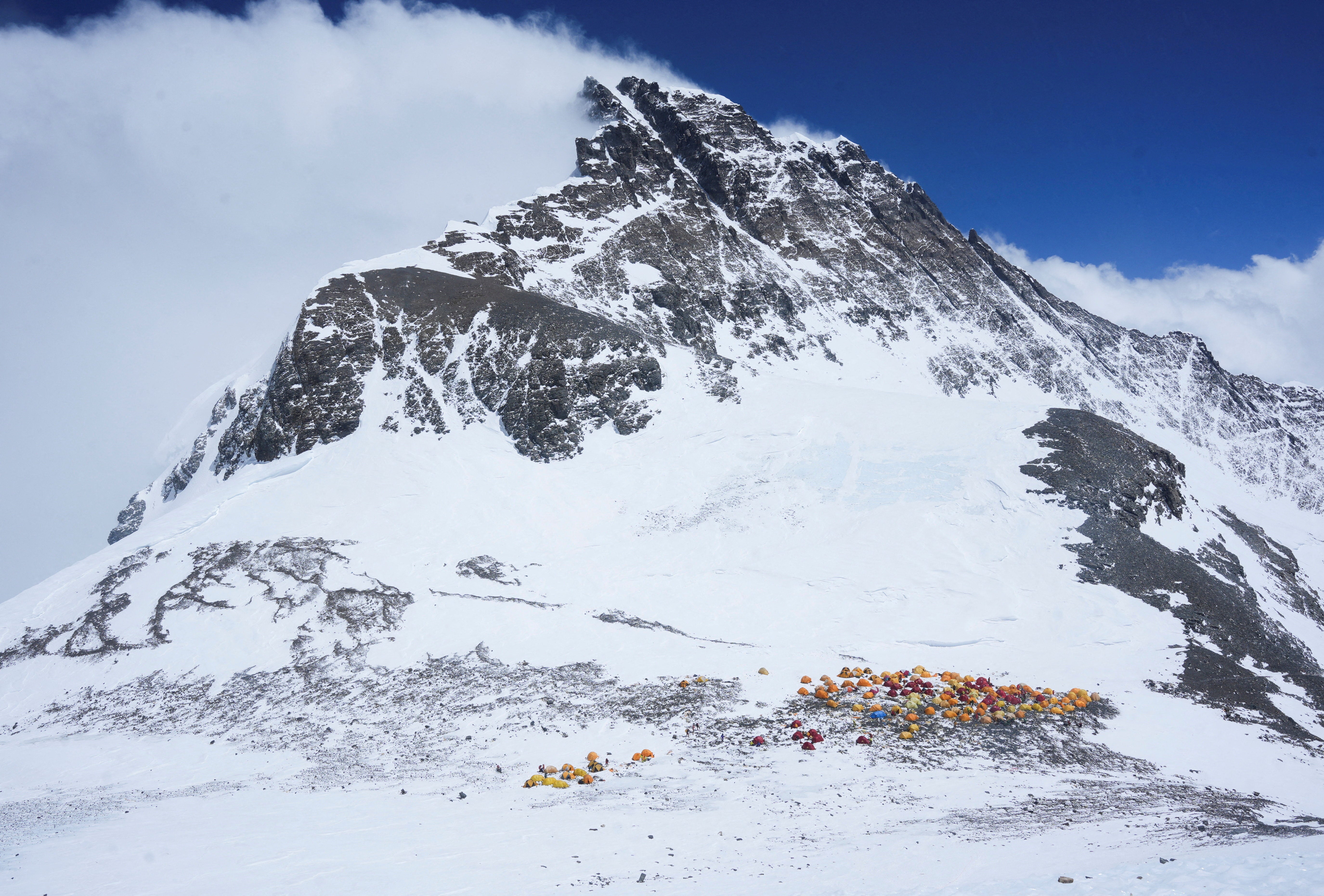
Nepal issued a record 494 climbing permits to foreign climbers this year – the most in history – and an estimated 275 people reached the summit on 21 May alone, the busiest single day of the season.
This season, climbers attempted the 8,849-metre peak from the Nepal side after China closed the northern route through Tibet. Mount Everest can be climbed from either Nepal to the south or Tibet in China to the north.
Despite at least five deaths, expedition operators have called this season a success.
 open image in gallery
Despite the war on Iran and rising travel costs, there has been strong interest in climbing Mount Everest this season, Ang Tshering Sherpa of the Kathmandu-based Asian Trekking said earlier. While the number of climbers from Western countries such as the United States and Europe has declined, participation from Asian climbers has increased, he said.
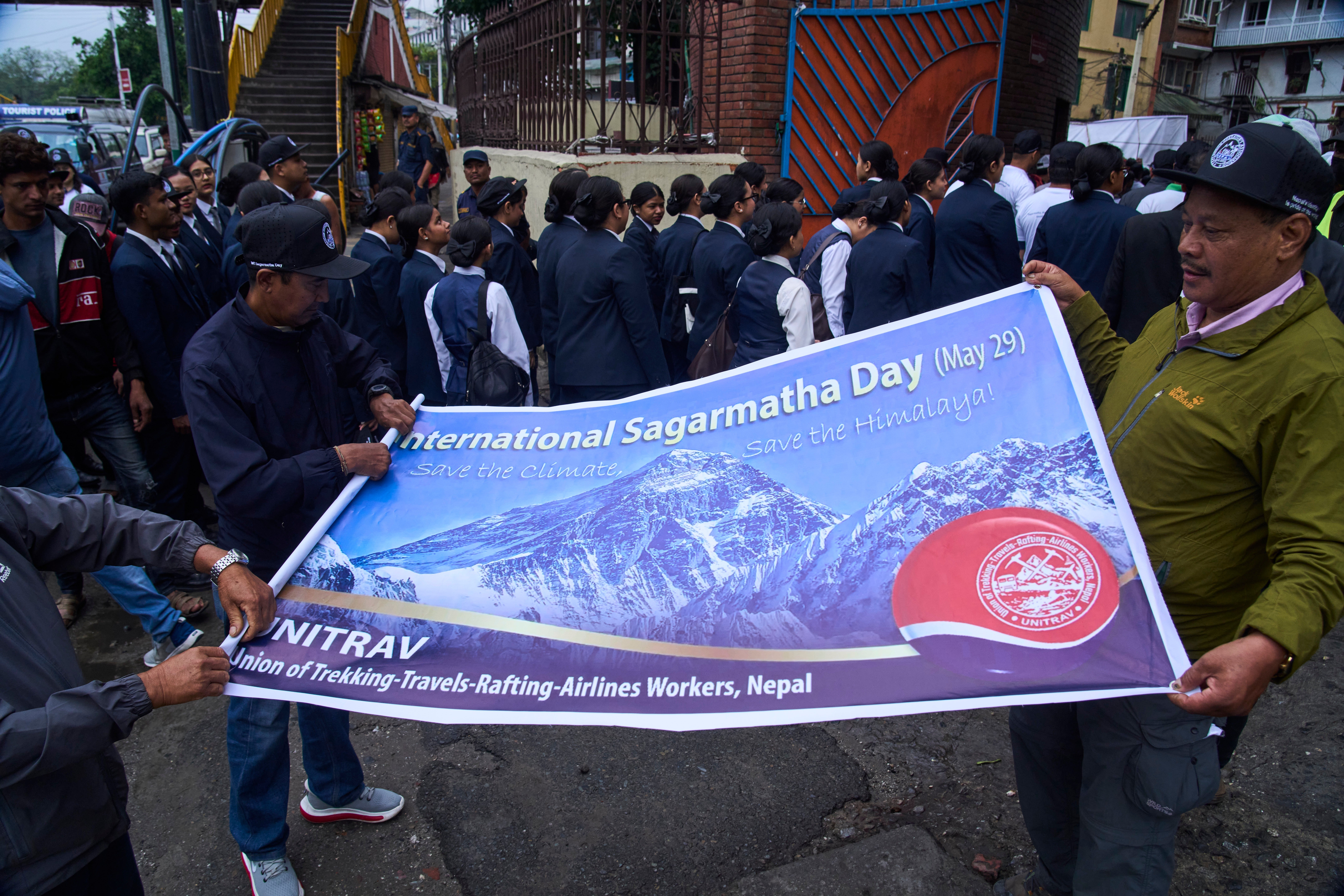
Despite the record number of climbers ascending the highest peak in the world over the past few years, there have also been growing concerns over the rapid melting of glaciers due to global warming and climate change.
During a visit to Nepal in 2023, UN secretary-general Antonio Guterres travelled to the Himalayas and warned about the alarming rate at which the region’s glaciers are disappearing.
Earlier this year, Nepal had proposed tougher rules for climbers attempting Mount Everest in an effort to improve safety and reduce environmental damage. The proposed law required Everest climbers to have previously summited at least one Nepalese mountain higher than 7,000m before receiving a permit.
 open image in gallery
The Himalayan country, which is home to the world’s tallest peak, had been criticised for overly commercialising Everest by issuing permits to too many and sometimes inexperienced climbers.
This season, there was also a dangerous and unstable ice block looming over a key section of the route on the way to the Everest summit. Yet officials had said that hundreds of climbers had moved ahead with Everest expeditions in the 2026 season.
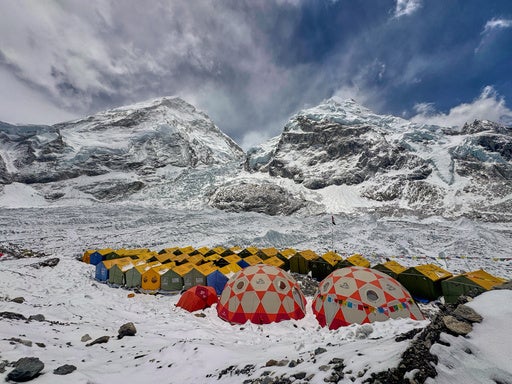
Climbers arrived at Everest’s 5,300m-base camp in April, but their progress was delayed for more than two weeks by a huge unstable serac, or block of glacial ice. The route-setting team, known as the “icefall doctors”, typically completes the job by mid-April, but the hazardous conditions forced a delay this year. Icefall doctors are specialist guides from the Sagarmatha Pollution Control Committee responsible for installing ropes and ladders along the annual climbing path.
 open image in gallery
Expedition operators had warned that the serac could collapse at any time.
It is estimated that more than 300 people have died on Mount Everest overall, including five in 2025 and eight the year previously, according to Outside.
The famous Nepali guide Kami Rita Sherpa, 56, also set yet another record this year, climbing Everest for the 32nd time. He first climbed Everest in 1994 and has been making the trip nearly every year since.
He, however, said: “Nepal should only allow no more than 250 climbers that are issued permit to climb from the Nepal side. It will be good if the government was to limit the number.”
Meanwhile, the missing Everest guide Hillary Dawa Sherpa was found and rescued near Base Camp early on 4 June, nearly six days after he disappeared below Camp IV at an altitude of about 25,000ft.