


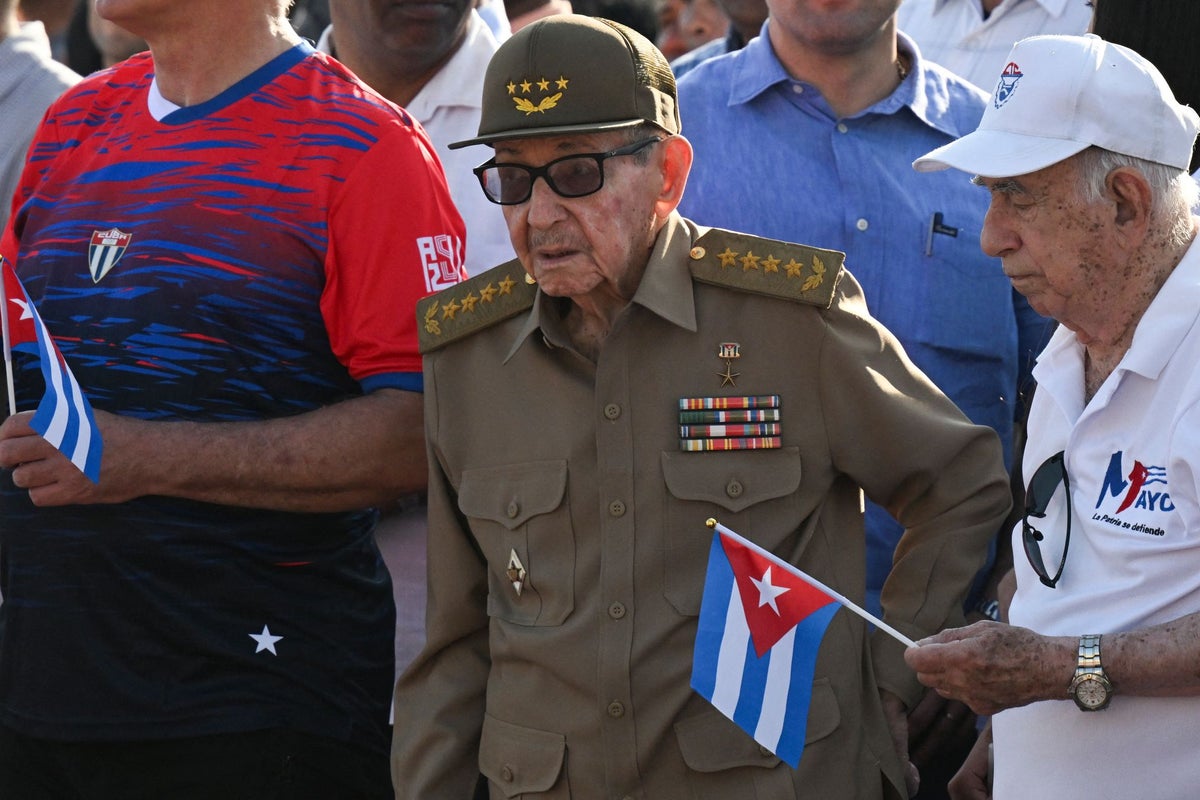
Raúl Castro marked his 95th birthday Wednesday, a significant milestone for a man still helping lead one of the world’s last communist countries. Despite his formal political retirement, he remains central to rising tensions with the United States, which recently indicted him.
Known as the “hero of the Republic of Cuba,” Castro’s name became synonymous with the 1959 revolution alongside his brother, Fidel. Decades after that triumphant revolution, he served as Cuba’s president for 12 years after Fidel stepped down.
Though he formally retired in April 2021, Castro retains his role as general of Cuba’s Revolutionary Armed Forces and a seat in the National Assembly, highlighting his continued influence in the nation’s political landscape.
Raúl Castro became involved in politics early
Born in eastern Cuba on June 3, 1931, Raúl Castro, the fourth of seven children to a Cuban mother and Spanish father, embarked on a revolutionary path that would define his nation’s history. His early education in Santiago de Cuba led him to Havana, where he pursued law and became deeply immersed in student politics, actively opposing the dictatorship of Fulgencio Batista.
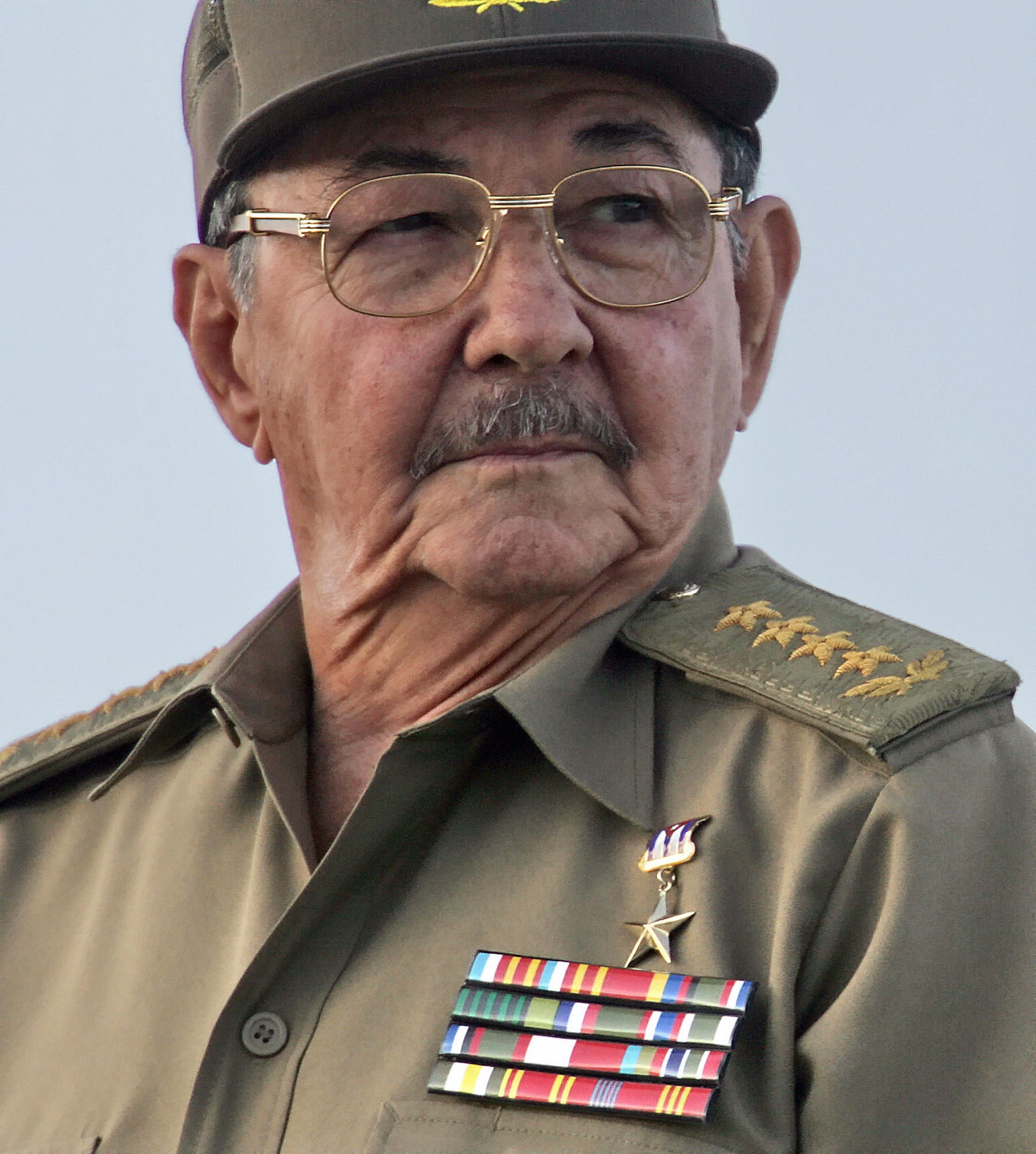
By 1953, Castro was part of a group that launched an attack on military barracks in Santiago de Cuba, an unsuccessful attempt to overthrow Batista. Following his arrest and imprisonment, he was later released and fled to Mexico. There, he joined the guerrilla movement that would ultimately succeed in unseating Batista.
 open image in gallery
After the triumphant revolution in 1959, Castro was appointed minister of Cuba’s Revolutionary Armed Forces. In this capacity, he oversaw military engagements across Africa and Latin America, actions that notably drew criticism from some U.S. Republicans.
Many Cubans, however, lauded his contributions. María Cristina Barrio Ramos, a 62-year-old teacher residing in Havana, expressed profound gratitude, stating: “He gave us everything so that we could be free. We owe our freedom and dignity to him.”
His brother, Fidel Castro, publicly acknowledged Raúl’s significance. In October 1965, when Raúl became the second secretary of the Central Committee of Cuba’s Communist Party, Fidel remarked: “It is a privilege for me that, in addition to being an extraordinary revolutionary figure, he is a brother.” Fidel frequently praised his sibling, noting: “Everyone who gets to know him and become close to him realizes his humanism, his great character, and his feelings; they are surprised by the image of Raúl as belligerent, aggressive and harsh, when they see the feelings of friendship, affection, and love he is capable of having for people. And he has been a great mentor and a great educator.”
Castro rises to power after brother’s health worsens
In 2006, Fidel Castro’s health began to decline, and Raúl Castro was temporarily handed power in late July of that year until Cuba’s National Assembly elected him as president in February 2008.
In the years that followed, Castro proved himself to be more liberal than his brother, allowing private enterprises to operate in Cuba while former U.S. President Barack Obama lifted restrictions on remittances and family travel, and allowed U.S. citizens to travel to Cuba under certain conditions.
By 2015, the U.S. and Cuba restored diplomatic relations and reopened embassies. A year later, Obama traveled to Cuba to meet with Castro. That same year, commercial flights between the two countries restarted.
.jpg) open image in gallery
open image in galleryDuring a historic 2016 press conference in Havana, Castro famously tried to raise Obama’s left arm, whose hand went limp in an image that went viral.
Under Castro, Cuba also entered negotiations with Russia’s government in June 2014 that led to the cancellation of 90% of a multibillion-dollar debt dating from the time of the Soviet Union.
In 2018, Raúl Castro left the presidency in the hands of Miguel Díaz-Canel, marking the first time in decades that a person without “Castro” as their last name took control of the government.
In April 2021, Castro announced he would not seek another political position. Since then, he has made only sporadic public appearances.
Castro retires but remains a high-profile figure
Ever since officially retiring from politics, Raúl Castro has appeared in public only sporadically, but he is believed to still wield power behind the scenes even as he leads a discreet life.
His grandson and bodyguard, Raúl Guillermo Rodríguez Castro, met with U.S. Secretary of State Marco Rubio on the sidelines of a Caribbean summit earlier this year. Since then, Cuban and U.S. officials have confirmed talks, but tensions between the two countries remain high.
Raúl Castro was last seen at a May 1 rally that drew tens of thousands of Cubans. He was dressed, as usual, in olive green military garb and stood at the side of Díaz-Canel. Behind him was Castro’s grandson.
Almost three weeks later, the U.S. government indicted Raúl Castro in the 1996 downing of civilian planes flown by Miami-based exiles over Cuban waters. He faces charges including murder and destruction of an airplane.
While the government and its supporters have condemned the indictment, Raúl Castro has remained mum.
As his birthday approached, social media was flooded with the hashtag #RaúlesRaúl, a political figure who has long been adverse to birthdays, monuments and statues, just like his brother.
The Cuban Embassy in the U.S. noted on X: “Not many people have the privilege, the health, the stoicism — and if you like, you can also add: that quintessentially Cuban stubbornness — to reach the age of 95.”
Meanwhile, Cuba’s Communist Party posted several videos Tuesday on X of Cubans praising Castro.
“To talk about Cuba, you have to talk about Raúl,” said Digna Guerra, director of the island’s national choir. “He represents Cuban identity, he represents the Cuban people, he represents the revolution, which for us has immense significance. … Thank you for existing.”