


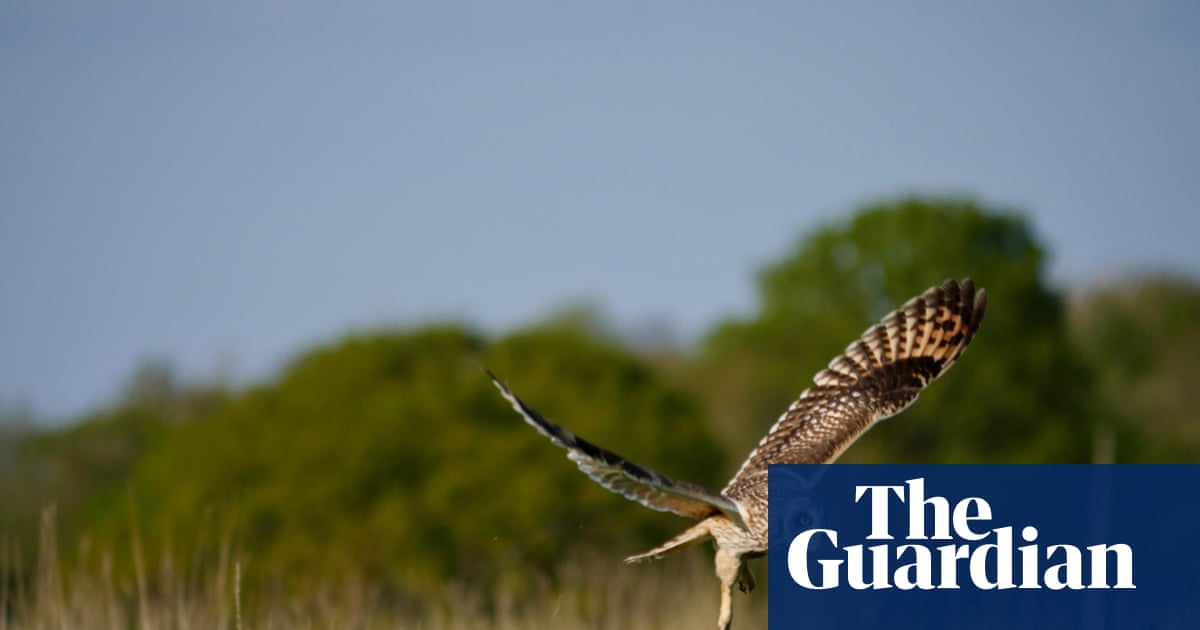
‘Hold your nerve and trust nature’: birds, bats and butterflies rebound at Somerset rewilding farm
Letting nature take over at a former dairy farm has resulted in a surge of species in just three years
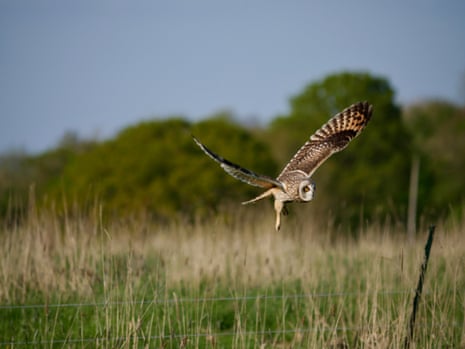
Three years of rewilding on a former dairy farm in east Somerset have seen recorded bird species soar from 67 to 94, butterfly species rise from 11 to 24 and small mammals grow in number.
Heal Somerset, the first site acquired by the charity Heal Rewilding, has produced a state of nature report mirroring a national survey by environmental charities that has tracked the decline in nature.
Surveys at the 190-hectare (460 acres) farm are revealing the rate at which wildlife returns after conventional agriculture stops. A humane trapping survey found the site was home to five small mammal species compared with three at a nearby organic dairy farm.
Heal Somerset near Frome is now home to at least 15 bat species and 60 species of breeding bird, including the endangered bullfinch and numerous tree pipits, another bird under threat.
“I had no idea when we arrived in January 2023 what to expect,” said Jan Stannard, chief executive and co-founder of Heal Rewilding, which acquired the site through donations and philanthropic lending. “To some extent you hold your nerve and trust nature. If you give wildlife an undisturbed safe place, a sanctuary, you have this sense that something good is going to come out of it. It’s an absolute joy to see wildlife resurging.”
The rewilding process is unlike traditional conservation because it uses natural processes to manage land and does not seek specific outcomes in terms of boosting a particular rare species. Instead, nature sets the agenda.
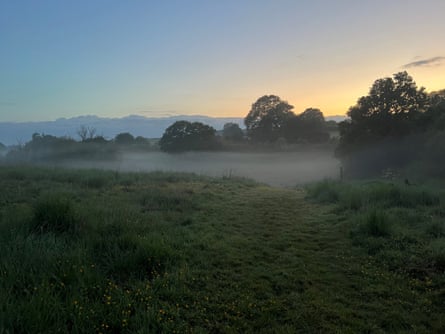
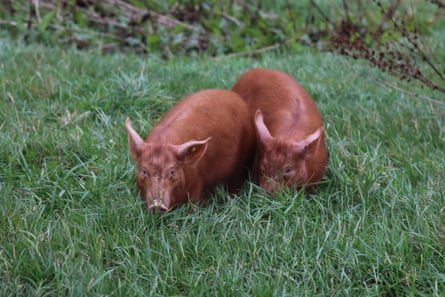
At Heal Somerset, streams have been returned to a more natural flow – assisted by the arrival of free-roaming beavers, which are spreading across east Somerset’s rivers. Dead wood has been left in place and natural growth encouraged through scrub and tree regeneration. Two tamworth pigs have been introduced and further large herbivores such as cattle and ponies will be reintroduced in small numbers. They will live free among a mix of glades, meadows, scrub and trees rather than dense woodland.
The project is supported by more than 250 volunteers who participate in surveying, removing barbed wire fencing and other rewilding work. The charity has partnerships with 15 underserved groups who help manage the site, including people living with dementia, people with additional needs and people experiencing financial difficulties. Youth groups and schools are also involved.
Stannard said: “An increasing number of people are coming either as visitors or camping and if they are older they are being transported back to a childhood experience of abundance that they will not get in the farmed countryside. They are hearing grasshoppers and crickets in the day and birds such as linnet or greenfinch, which are much less common now.”
Dan Hill, a 25-year-old rewilding ranger who joined Heal Somerset three years ago, said: “I remember seeing the monoculture of rye grass swaying in the wind and thinking, crikey, it’s desolate. Three years has flown by and so much has changed. It’s incredibly exciting. I’m learning so much.
“Seeing what nature wants to do – it’s very hopeful. And it’s not just about nature – when you get people coming to the site and they say, ‘I just want to keep coming back, I’ve never seen a site like this before’, it really puts a smile on your face.”
Heal Rewilding said its report was inspired partly by the absence of substantive content on rewilding within the UK-wide State of Nature report for 2023.
“We were struck by how little attention was given to rewilding, despite the extraordinary growth of the movement,” said Stannard. “There are now hundreds of rewilding projects across Britain and many report seeing remarkable ecological changes. But stories alone are not enough. If rewilding is to be fully recognised within national nature recovery strategies, we need robust, long-term data that demonstrates impact.”