


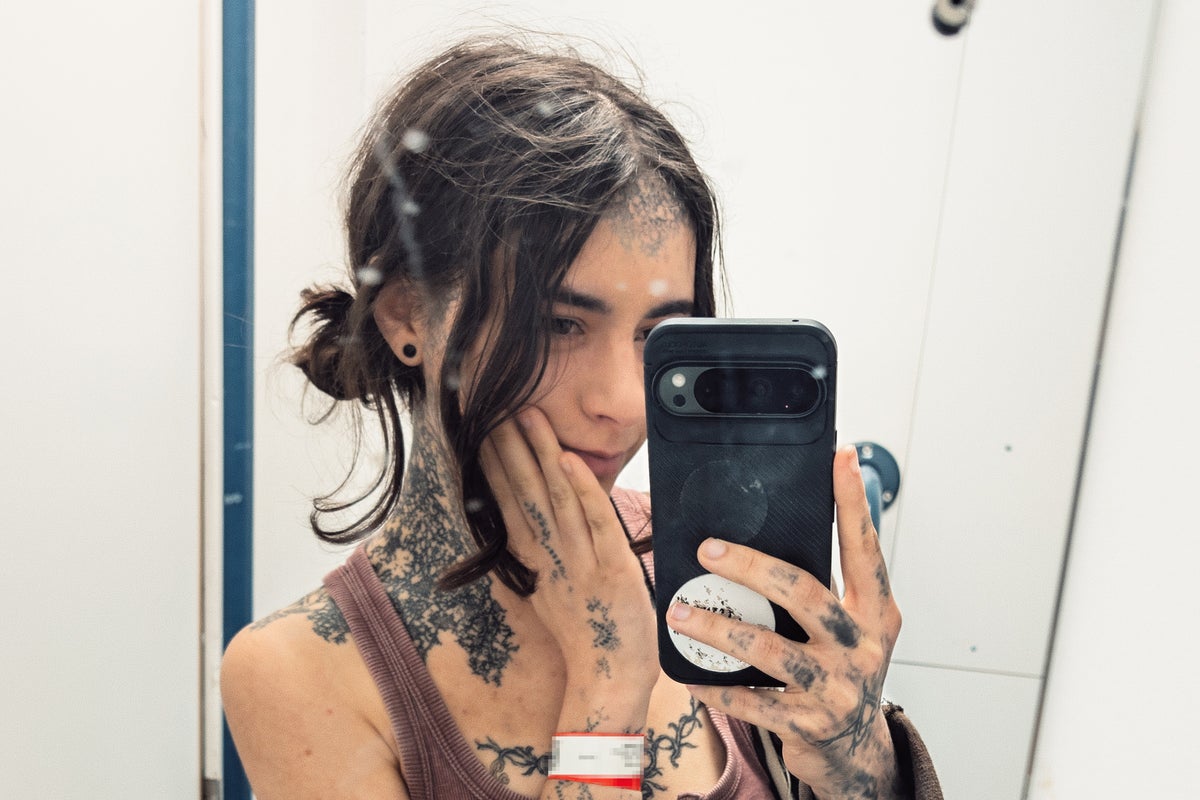
A student whose “cool party tricks” of dislocating her joints, contortion, and stretching her skin have tragically been revealed as symptoms of a rare and debilitating condition, leaving her unable to speak for more than a few minutes without her mouth bleeding and banned from exercise.
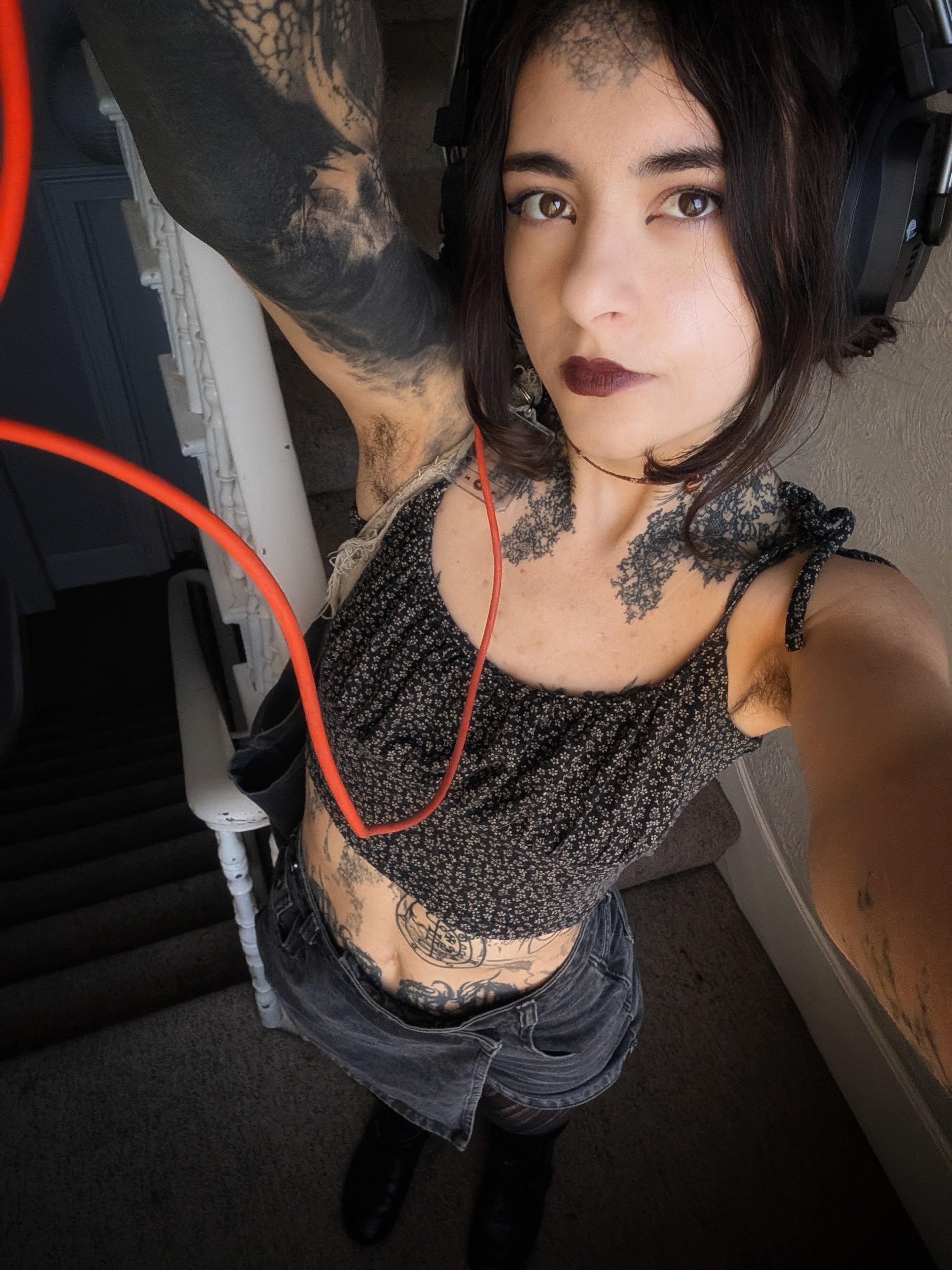
Lavender Blackthorne, a 25-year-old music production student from Brighton, first noticed “something was wrong” at the age of six.
Her joints began popping out of their sockets, and she could stretch her skin up to 10cm outwards, initially perceiving these as unique abilities.
However, by the age of 12, she began bruising easily, and by 14, she said her legs had become “twisted.”
Simple movements caused her joints to dislocate, and severe heart palpitations led doctors to restrict her physical activity to only walking.
 open image in gallery
Medical professionals suspected Ehlers-Danlos syndrome (EDS), a rare inherited condition affecting connective tissue, though a formal diagnosis was delayed until she reached adulthood. Concurrently, she was diagnosed with an autoimmune condition, the specific type of which remains unidentified, causing her immune system to attack her own body.
She was officially diagnosed with EDS at 21 and now also lives with extreme fatigue, swelling, skin rashes and mouth bleeding after speaking.
Ms Blackthorne told PA Real Life: “I did become quite suicidal at a few points, just because sometimes I’d be bedbound for a week or so, and then it felt like all my dreams of having a relationship and a family in the future were falling apart.
“I thought I’d never be able to have those things, and I didn’t think I’d be able to go to university, and I had no idea what job I could do.
 open image in gallery
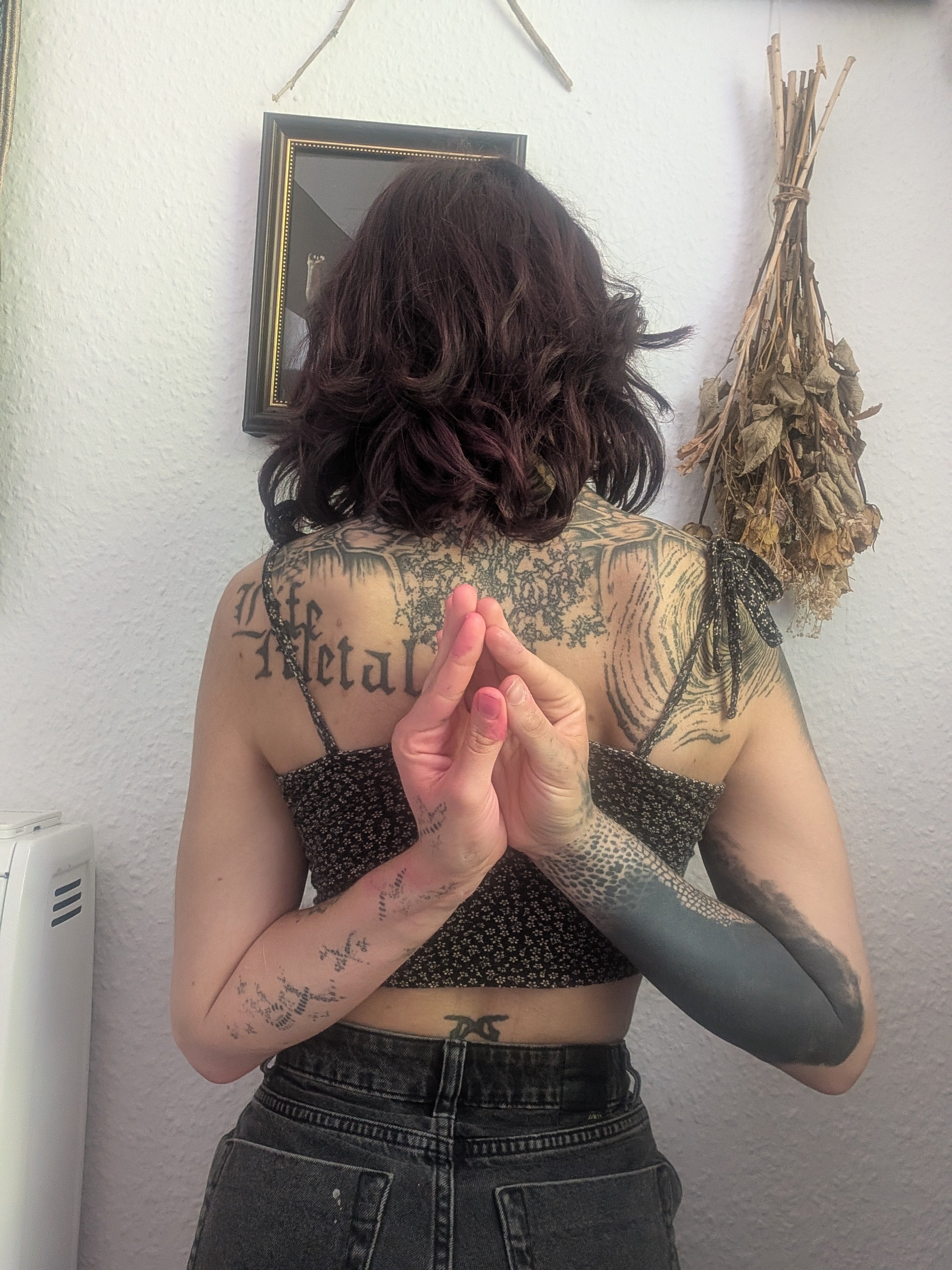
“I used to get bullied quite a lot for being different – I was the person in the corner just not feeling very well and I was really quiet.”
As a child, Ms Blackthorne was “really good at running really fast”, until one day, at the age of six, she fell and her ankle popped out of its socket.
As she got older, she said she could pinch her skin and pull it up to 10cm outwards across her body.
“I noticed that I could do some really cool party tricks, like extreme flexibility, moving my body in really weird ways, (my joints) coming out of their sockets and pulling my skin,” she said.
“When I used to play with friends when I was young, and we’d grab each other, they could just grab a handful of my skin and just hold it like a puppy’s skin.”
By the age of 12, her skin bruised very easily and she was diagnosed with severe anaemia – a lack of red blood cells.
As she started secondary school, her joints would “pop out” of their sockets after small movements or moving “too quickly”.
 open image in gallery
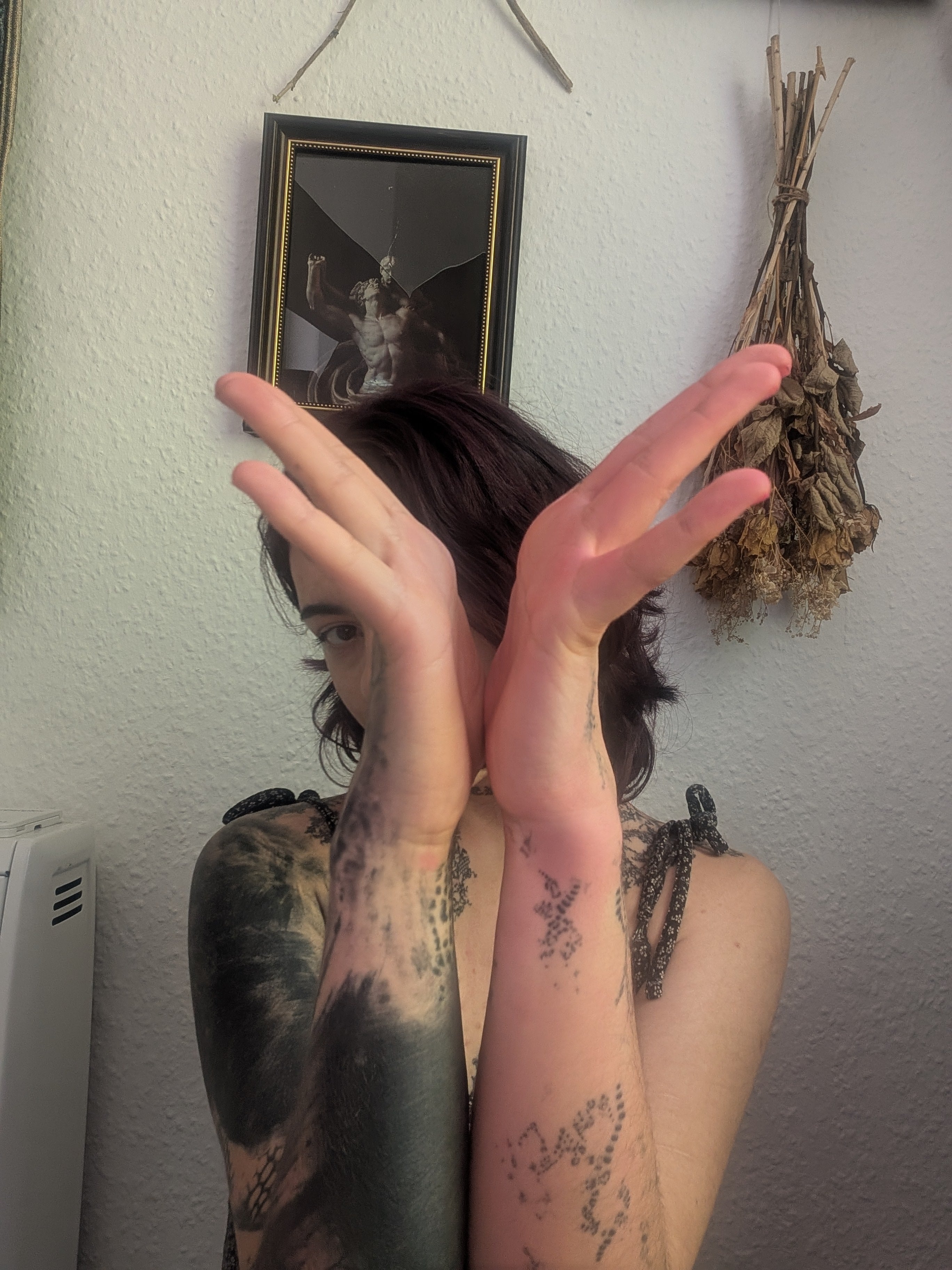
She said: “If I twisted my hips or raised my arms, the skin around it would tear.
“At the time, I wanted to be in the Olympics, doing some kind of gymnastics, and I got into contortion.
“But all the injuries just wore my body down – the tears were getting more common and my energy levels were completely defeated.”
At the age of 14, her legs became “twisted” – when she was lying straight, they would “bow out and back in again”.
After several tests, she received an informal diagnosis of EDS, but her doctor said the condition is typically diagnosed formally at an older age, as some people can “grow out” of the symptoms.
After further tests at 14, she was diagnosed with moderate mitral regurgitation, a condition where a valve in the heart does not work properly.
She said doctors told her she could no longer exercise beyond walking.
The condition was also linked to her suspected EDS, which can make connective tissue structurally weak.
“It made me feel really sad and like I had no control over my body,” Lavender explained.
“It was terrifying. I thought I was going to die after being diagnosed with a heart condition.”
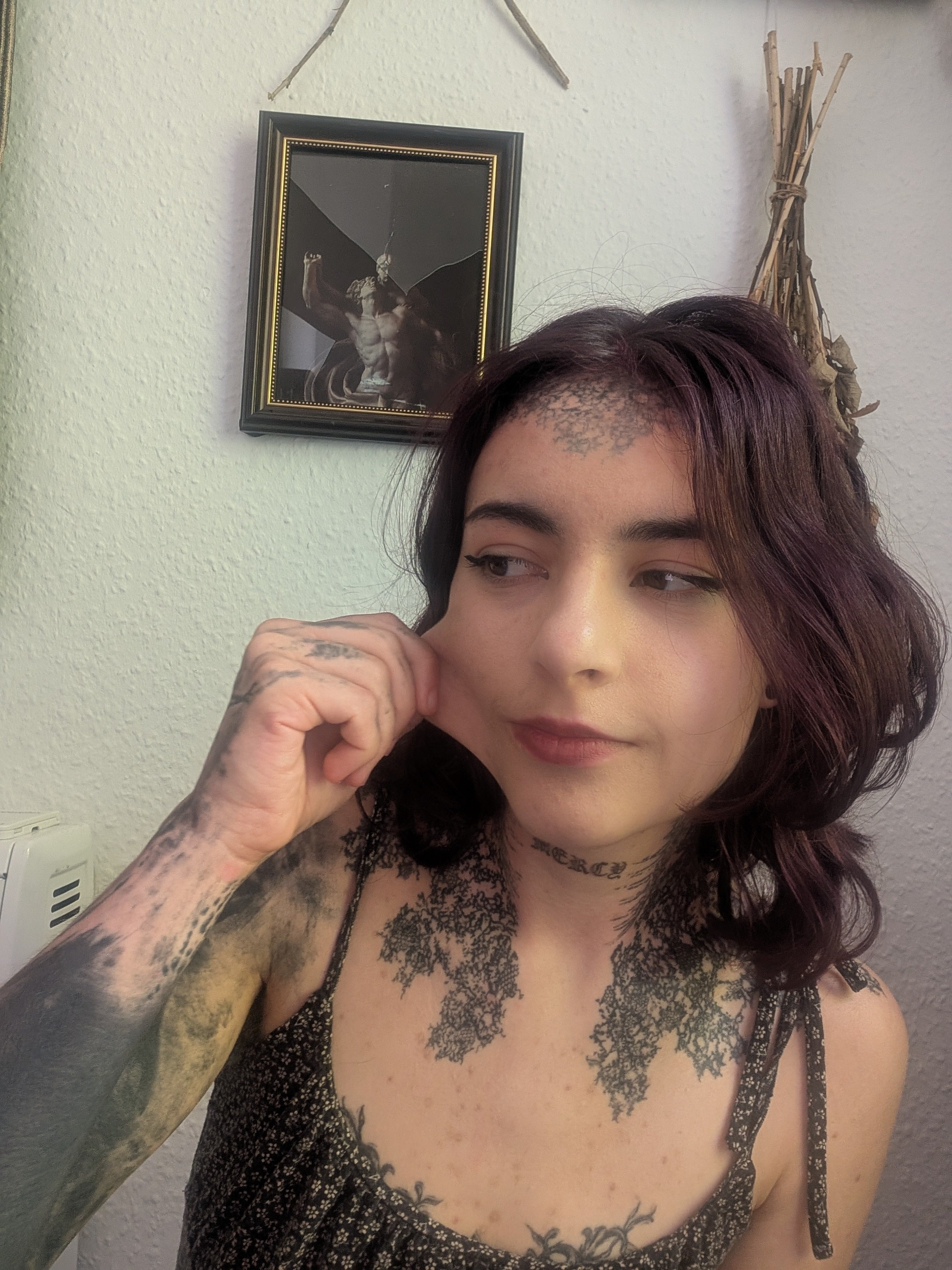 open image in gallery
Around the same time, she visited a rheumatologist and was told she had an autoimmune condition, meaning her immune system was attacking her body’s own tissues.
She said the condition “lies dormant” and can “activate at any time”.
Ms Blackthorne said her diagnoses and day-to-day health struggles affected her mental health, making her feel suicidal.
Her symptoms continued as she got older and she was diagnosed with EDS aged 21, but her doctors remain unsure which type she has.
At 19, she enrolled at university to study metalwork but was forced to drop out as even picking up a hammer caused her wrist to dislocate.
According to the NHS, Ehlers-Danlos syndromes (EDS) are a group of 13 inherited conditions that affect connective tissue, most of which are rare.
There is no specific treatment but it is possible to manage many of the symptoms with support and advice, and Lavender has been prescribed strong painkillers to help her day-to-day pain.
“It felt like a relief but I still just feel awful every day,” she said.
Since then, she has experienced a flare-up in symptoms linked to her autoimmune condition.
She said she suffers from extreme fatigue, swelling, skin rashes and mouth bleeding after talking for just a few minutes.
Ms Blackthorne is now fundraising for private tests, as she believes she may have additional autoimmune conditions.
She also struggles with breathing and hopes to identify the cause to receive appropriate treatment.
She said she often feels “quite depressed and nervous” because she does not know how her body will be on any given day.
She said: “I live alone but I like it because when I’m in a lot of pain, I’m able to go through it alone.
“I’m quite embarrassed to be so ill and I like to hide it, but I’m trying to be more open and share my story with others so they know they’re not the only ones.”
She returned to university to study music production at WaterBear Brighton in 2023, aged 22, and said her mental health has improved as a result.
Ms Blackthorne said: “I feel a lot better in myself now. I want others to know it gets better too!”
To donate to her fundraiser, visit: www.gofundme.com/f/private-healthcare-after-nearly-half-a-decade-on-waitlist.
If you are experiencing feelings of distress, or are struggling to cope, you can speak to the Samaritans, in confidence, on 116 123 (UK and ROI), email jo@samaritans.org, or visit the Samaritans website to find details of your nearest branch.If you are based in the USA, and you or someone you know needs mental health assistance right now, call or text 988, or visit 988lifeline.org to access online chat from the 988 Suicide and Crisis Lifeline. This is a free, confidential crisis hotline that is available to everyone 24 hours a day, seven days a week.If you are in another country, you can go to www.befrienders.org to find a helpline near you