


Appliances that clean for you still need regular attention themselves, and washing machines are no exception. They are, after all, a breeding ground for all manner of unpleasant nasties, including mould, limescale, dead skin cells and bacteria. This accumulation of grime can leave both your machine and your clothes smelling less than fresh, and the only remedy is to thoroughly disinfect and eliminate the bacteria.
Having previously put the Dettol and Dr Beckmann washing machine cleaners through their paces with impressive results, I was keen to find out whether other options on the market could match — or even surpass — them at a lower price point.
A trip to my local Home Bargains, one of my go-to spots for cleaning products, led me to the Elbow Grease Washing Machine Cleaner in lemon fresh.
The product is designed to tackle detergent build-up, grime and limescale, keeping your machine smelling great and running at its best, claiming to be “perfect for maintaining a spotless wash every time”.
 View 4 Images
The Elbow Grease Washing Machine Cleaner in the scent lemon fresh caught my eye
I was impressed to find it did an excellent job of shifting detergent residue and stains from the washing machine drawer, while leaving behind a lovely fragrance that lingered even after several subsequent washes.
When cleaning my washing machine, the two areas I concentrate on most are the drawer and the rubber door seal.
To put this cleaner to work, I began by removing the washing machine drawer and submerging it in a sink filled with hot water and a quarter of the bottle of washing machine cleaner. I left the drawer to soak in the solution for around half an hour before rinsing and wiping it down.
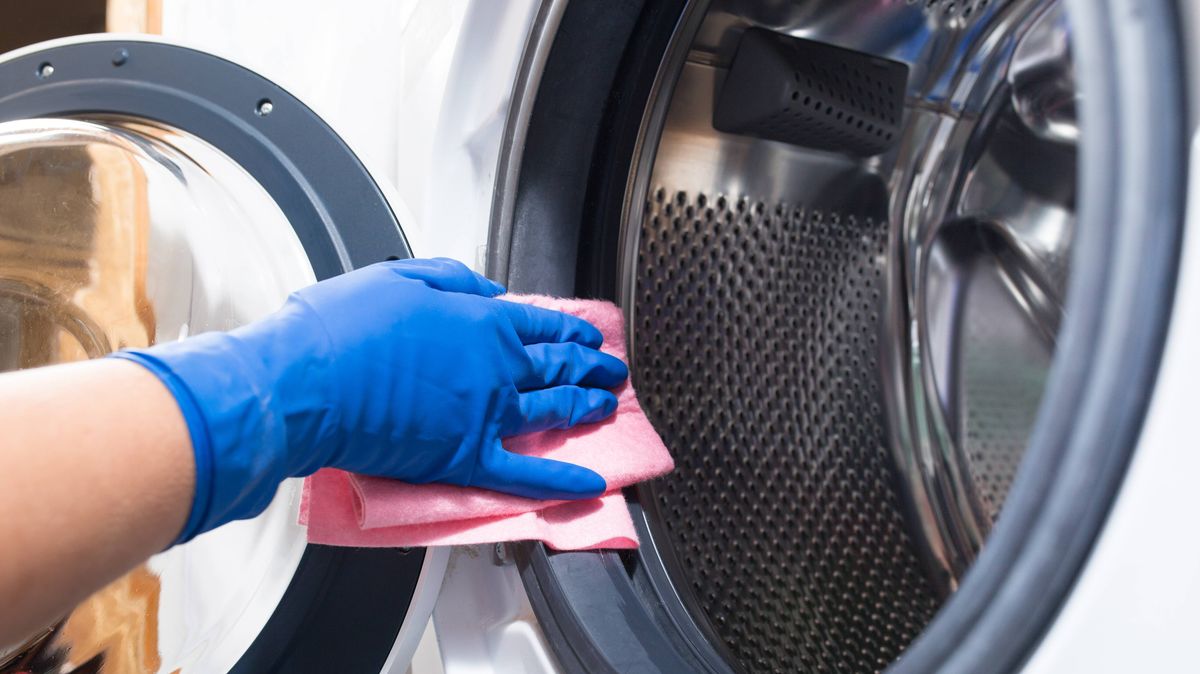
In the meantime, I applied some of the washing machine cleaner to a cloth and wiped down the rubber seal and the inner part of the door. Mould in this area is something I regularly battle with, so I make sure never to skip this step.
If your washing machine has developed an unpleasant odour, the seal is most likely the culprit. The rubber seal can harbour some truly foul smells, as well as lint, bacteria and dirt.
 View 4 Images
I pour the remainder of the cleaning solution into the largest compartment of the washing machine drawer
 View 4 Images
I set the washing machine to a 60-degree cycle, as that’s the perfect temperature for killing any lingering bacteria.
With the drawer now thoroughly cleaned, I slotted it back into the appliance and poured the remaining cleaning solution into the largest compartment of the drawer — the one you’d normally fill with your liquid or powder detergent.
I then set the machine to run an empty hot wash, opting for a 60-degree cycle, as this is the ideal temperature for eliminating any lingering bacteria.
While the machine worked through its cleaning cycle, I took the opportunity to wipe down the exterior with the leftover solution on the cloth, clearing away any dust and grime.
Once the cycle had finished, I made sure to dry the rubber seal thoroughly with a microfibre cloth to remove as much moisture as possible.
Article continues below
To ward off unpleasant odours and prevent mould and mildew from building up, I also make a habit of leaving both the washing machine door and drawer slightly ajar after every use for at least 10 to 15 minutes, allowing fresh air to circulate.
The entire process from beginning to end takes just under three hours, though the majority of that time is simply waiting for the drawer to soak and the cycle to complete.