


AdvertisementScienceChinaScience
Why a fabled Chinese surgeon’s tomb may help rewrite history of anaesthetic use
Recent discovery provides evidence to support ancient texts about a herbal anaesthetic that was said to have been used during surgery
2-MIN READ2-MIN Listen
Shi HuangPublished: 9:00am, 1 Jun 2026
On October 16, 1846, the American dentist William T.G. Morton successfully demonstrated the use of inhaled ether anaesthesia at Massachusetts General Hospital in Boston, an event widely considered a turning point in modern surgery.
But this record may have to be rewritten after new evidence emerged that in the 14th century AD, Chinese surgeons were making their own anaesthetics from plants.
Their use had previously been recorded in ancient Chinese texts, but now the first physical evidence confirming this has been found.
Advertisement
The paper was published on Tuesday in the peer-reviewed journal Antiquity.
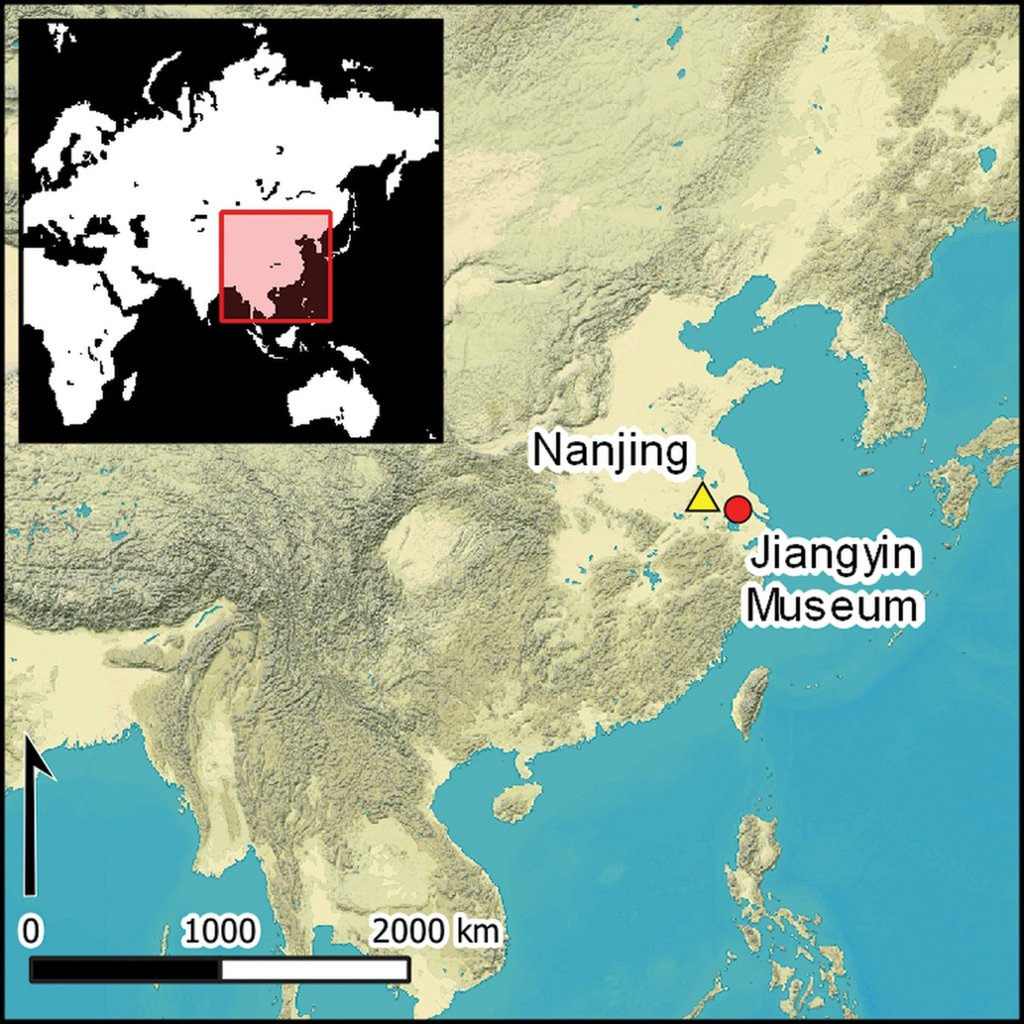
Evidence for the study came from an ancient tomb in Jiangyin in China’s eastern Jiangsu province, belonging to the famous traditional Chinese medicine surgeon Xia Quan.AdvertisementAdvertisementSelect VoiceSelect Speed00:0000:001.00x