


Collection of rave-era memorabilia expected to fetch up to £80,000
Producer Rob Ford’s trove of 17,000 items includes membership cards, flyers and the Prodigy’s first business card
Rob Ford often met his contacts in car parks, under the cover of darkness. Cash quickly passed between hands before the author and music producer gathered his quarry – bags full of memorabilia from the rave and acid house era.
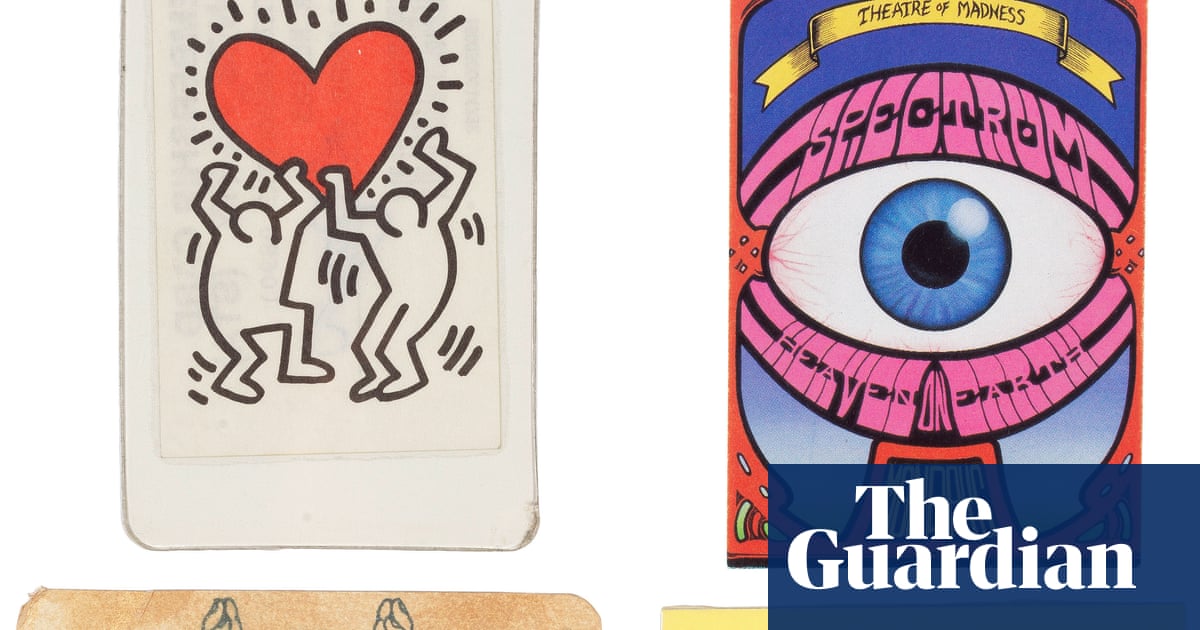
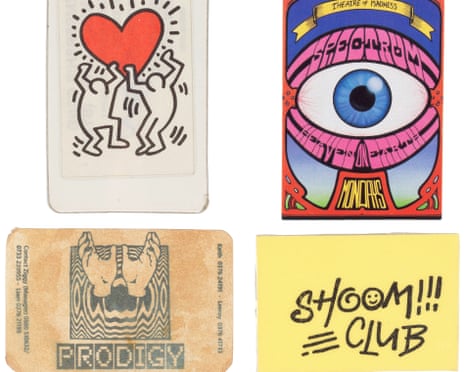
Among the flyers and assorted paraphernalia were some of the rarest surviving items from the scene: membership cards.
Ford caught the rave bug after going to Amnesia House in Donington. After leaving his first all-nighter, the writer found rave flyers on his car, as “a new level of mind-influencing artwork and wording became part of our day to day lives”.
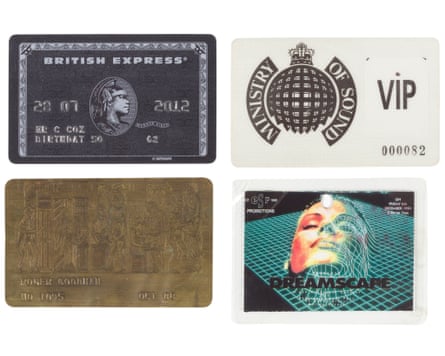
Each card sported a distinct design and ownership meant you could access the era’s greatest clubs, such as the Haçienda, Labrynth, Ministry of Sound, Raindance, Shoom, Spectrum and World Dance.
That initial exposure eventually led to a collection of 17,000 assorted items that took 35 years to amass and is now up for sale via the auction room Bonhams.
Claire Tole-Moir, the head of popular culture and science at the auctioneers, says the membership cards show the artistic flair of the graphic designers, like Spectrum’s Dave Little, and acted as “analogue passwords” giving access to an underground world.
She said: “They were a smart marketing tool, a way to get around licensing rules, and gave a feeling of exclusivity. Your cultural identity was in your wallet. That’s not something that we have nowadays, it really was a moment in time.”
The items don’t just have cultural worth: Bonhams has put an estimate of between £60,000 and £80,000 for the Ford collection, which includes restricted guest passes, private invitations and badges.
Rave nostalgia is nothing new. A 432-page coffee table book that showcased Ford’s collection was published by Velocity in 2022 and sold out almost instantly, while tender rave recollections brought harmony to the often caustic comment sections of YouTube videos, and a new generation is rejuvenating the free party movement.
Some of the cards in the collection chart the fate of various clubs and document how new genres and scenes emerged and replaced each other, often in the same space.
Ford has cards from the Four Aces in Dalston, a key pillar of east London’s black club scene that played host to Bob Marley. That club became Labrynth and was the site of the Prodigy’s first public appearance.
Tole-Moir said the cards act as a kind of social history and through the collection you can see how the rave scene embraced different artistic practices and a more professional aesthetic, as acid house became big business.
“There’s pop art, some are surrealist, some are very modern, veering into cyberpunk,” she said. “Then you’ve got the cards as we head towards the 90s, they get a bit more corporate.”
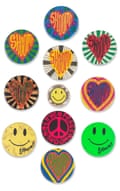
“They were really playful and some of those designs have become iconic, like the [George Georgiou-designed] Shoom card with the smiley face; that is acid house. It’s incredible to have such a wide archive that shows design through music and vice versa.”
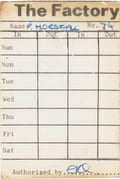
The oldest card in the collection dates back to 1874 and was for a New Year’s Day dance at the Arnold House in Sandy Creek, New York, while Ford also has cards from the Factory/Russell Club in Manchester and the first-ever business card for the Prodigy.
When asked who she thinks will buy the lot, Tole-Moir said: “I expect the successful bidder to be someone who was either there on the scene and is nostalgic, or someone who recognises how important it was.”
The collection will be sold as part of the Bonhams Sound & Cinema auction, which includes film and music memorabilia and runs online 15 to 25 June.