


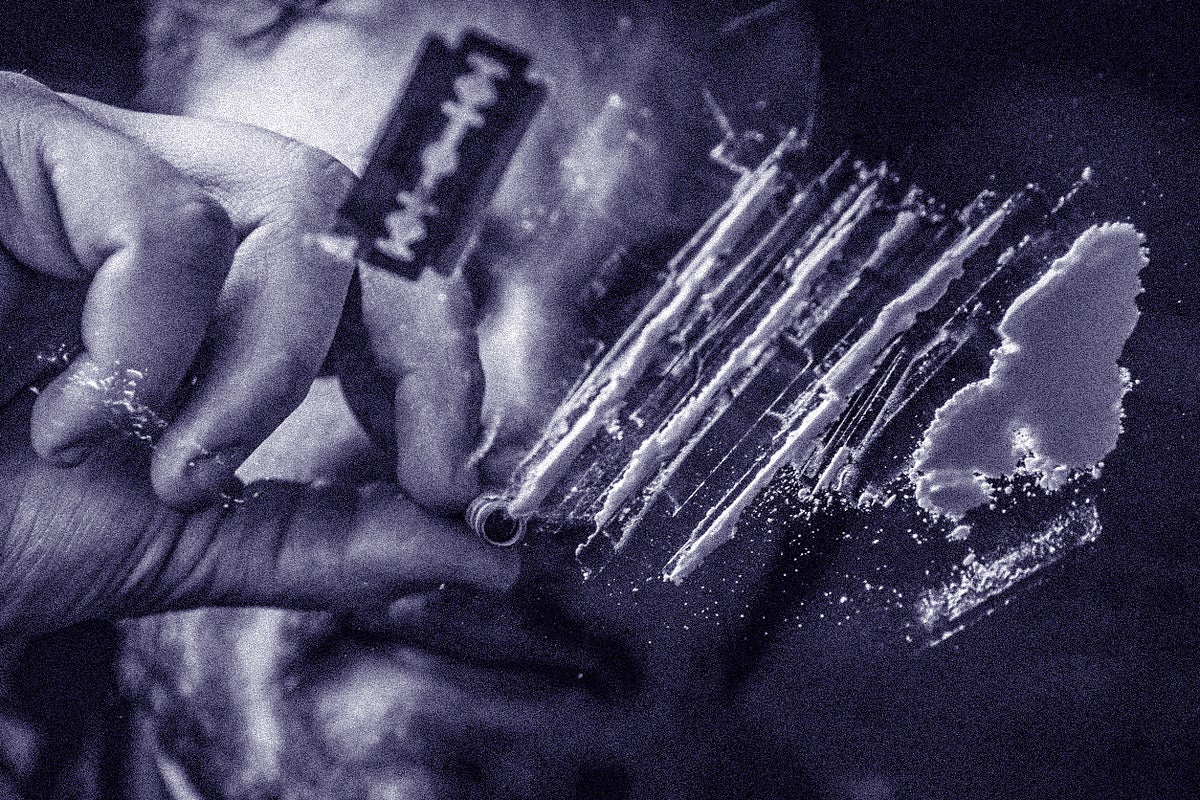
A lethal wave of “ultra strength” cocaine is emerging across the UK as deaths linked to the party drug have spiralled to a record high, The Independent can reveal.
A boom of cocaine in South America has triggered the sharp increase in purity of the powder sold at street level over the past decade, experts say, with users said to be unknowingly taking bigger risks with their health than ever before.
In an undercover operation at the Cheltenham Festival, attended by more than 200,000 people this year, The Independent collected samples of cocaine from toilet surfaces, which found that two out of three sent for analytical testing were of 85 per cent purity.
The UK’s former drugs tsar Mike Trace called the findings “highly concerning” and called on the government to urgently act over the “health scandal” as the number of deaths continues to rise.
It comes as:
- The purity of cocaine has risen from 32 per cent 13 years ago to more than 80 per cent today
- Shocking figures show cocaine-related deaths in England and Wales have reached a record high, claiming 1,279 lives in 2024
- The UK had the largest cocaine consumer rate in Europe in 2023, according to the Organisation for Economic Cooperation and Development
- There has been a 40 per cent cut in real-time spending on adult drug and alcohol services from 2014 to 2022
- The latest government figures from wastewater showed consumption of the drug in England had risen by a quarter in the past five years
Cocaine use can result in heart attacks, strokes and seizures, according to the NHS, which adds that mixing the substance with alcohol can further increase the risk of an overdose.
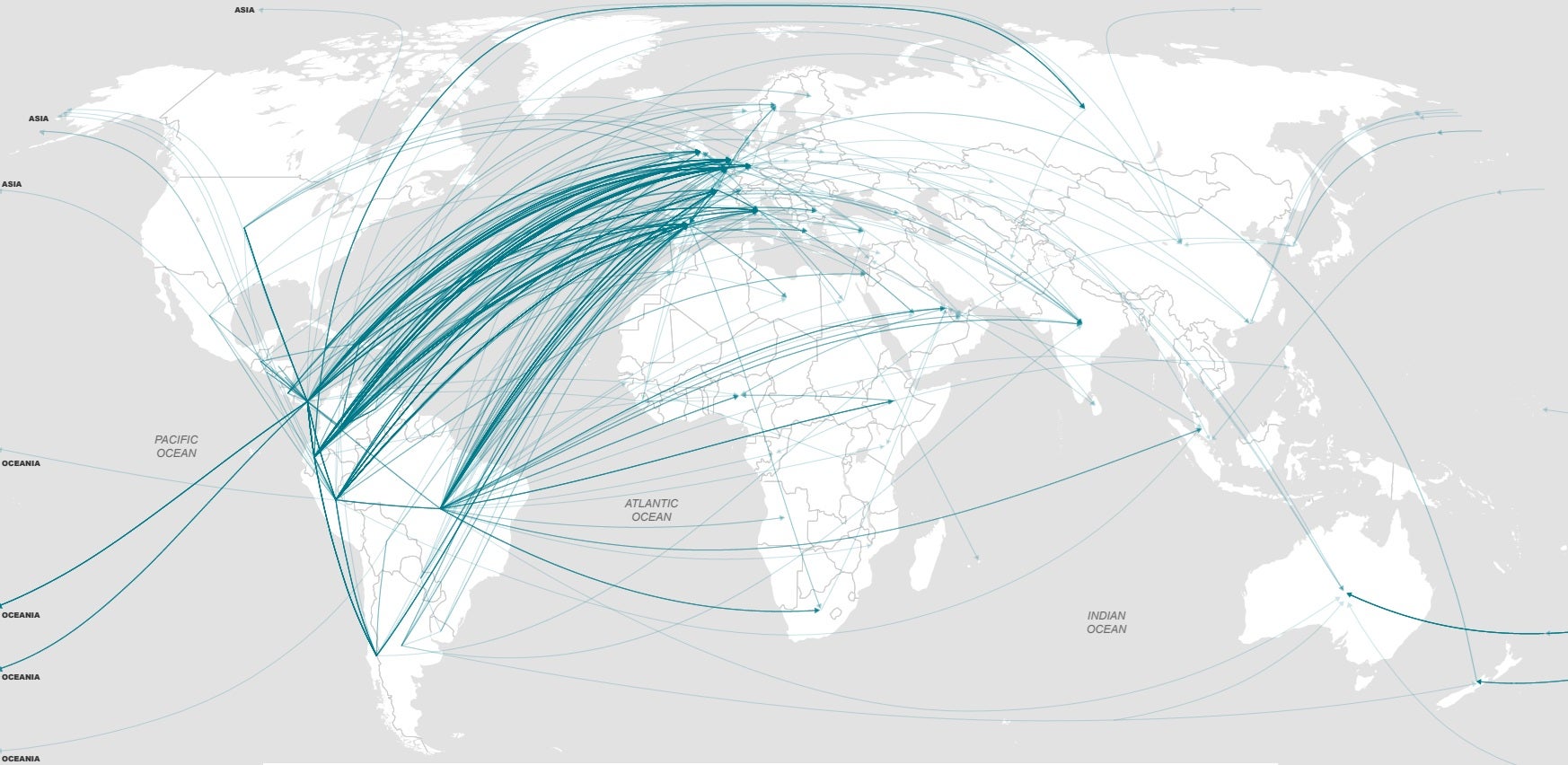
At Cheltenham on Gold Cup day in March, The Independent used test wipes on surfaces in toilets to find traces of cocaine, before collecting a dozen samples which were sent for testing at the Kingston Analytical Services Toxicology (KAST) at Kingston University.
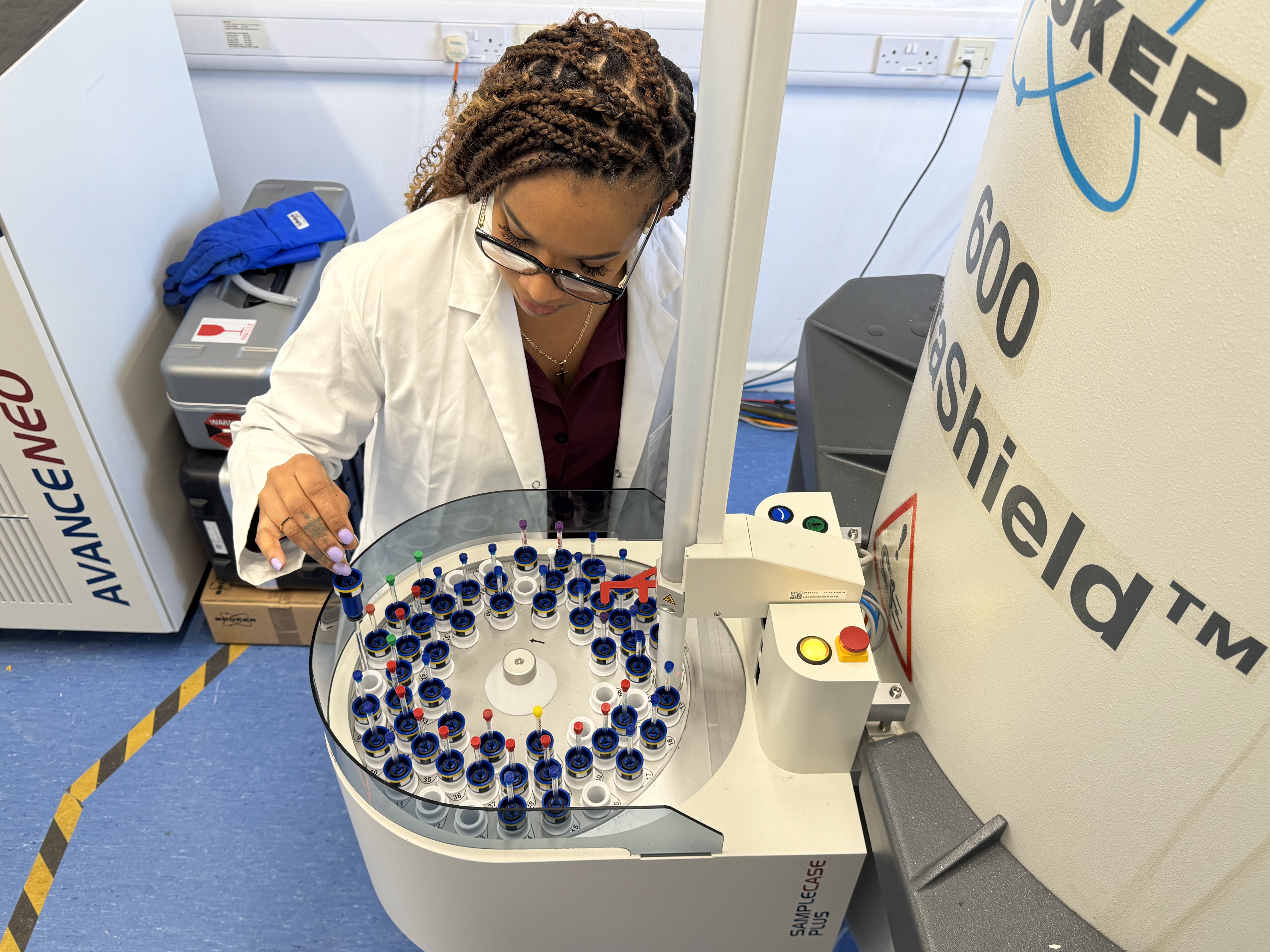
Initial tests detected cocaine in almost every sample. Three were then sent for nuclear magnetic resonance spectroscopy (NMR) testing, which revealed that two, including one taken from a baby changing facility at the Best Mate Enclosure, had 85 per cent purity.
 open image in gallery
Dr Arijac Durrant, a postdoctoral researcher at the university who did the testing, told The Independent: “Here are two samples of high-quality cocaine which is above what we usually see at street level. I’m not a medical expert, but I would suggest a heightened risk of an overdose for someone taking this drug who is used to taking a lower purity substance.”
A spokesperson for the Jockey Club, which runs the Cheltenham Festival, said it was “extremely disappointed” and that illegal drug use remained a wider societal issue at many major events.
The UK government does not issue figures on cocaine purity, but the National Crime Agency estimated the average purity at “user level” was between 32 and 38 per cent in 2013.
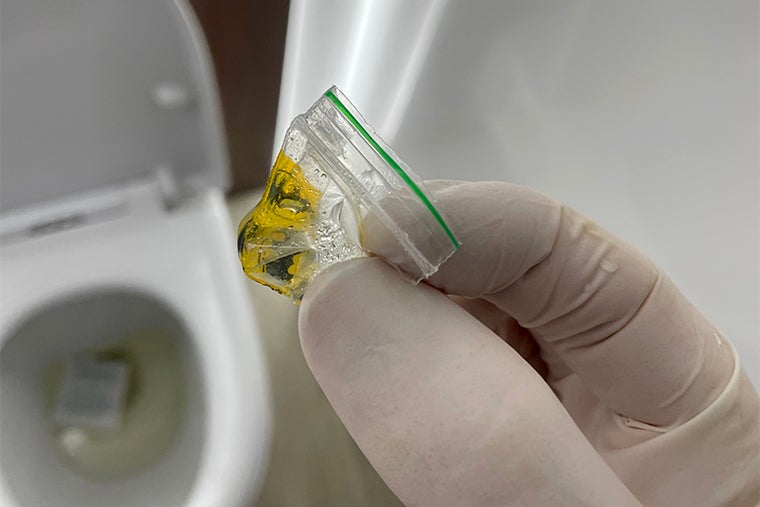
Experts have told The Independent that the record production of cocaine in South America, combined with increasingly diverse supply routes from eastern Europe, has seen the UK market flooded with the drug. This has resulted in a reduced need to cut it up with other substances before selling it.
Peter Cain, a drug science adviser at Eurofins Forensic Services, which tests drugs seized by police forces, said purity levels reached around 75 per cent during Covid, and have since risen above 80 per cent in the past five years.
Meanwhile, the European Union Drugs Agency said last year that the average purity of cocaine reported by half of its states had risen to between 66 per cent and 81 per cent.
 open image in gallery
“It’s a buyer’s market,” Mr Cain said. “Users are getting a stronger product and they’re paying less, and this is at a time everyone else is paying more for beer and other things.”
Mr Trace, who was appointed deputy drug tsar for Sir Tony Blair’s government, and is now chief executive officer of the Forward Trust, a drug and alcohol support service, said: “I’m highly concerned we are observing higher purity in more places, as The Independent shows, and that’s where the death rate comes from.
“Higher, unpredictable purity is the biggest risk factor because if somebody buys white powder off their dealer on a Friday night and says, ‘right, well I generally think I get this much of a hit off that substance,’ and if they’re used to getting that much of a hit on 30 per cent pure substance, but if what they bought this Friday was 60 per cent substance, they’re in trouble.”
The latest available data on hospital admissions for cocaine and crack cocaine use, from 2017-18, showed the numbers had tripled over the past decade. Meanwhile, the number of cocaine-related deaths has increased for 13 consecutive years, rising 14 per cent from 1,118 in 2023 to 1,279 in 2024.
Among those to have died over the past decade was Lucy White, a third-year criminology student at the University of the West of England in Bristol. A coroner found she suffered a cardiac arrest caused by the class A drug. Her sister, Stacey Jordan, has since called for changes in education.
And last year, Emily Rose Browning, a 24-year-old teacher in Cardiff, died after a cardiac arrest hours after taking cocaine on a night out, an inquest into her death heard, according to the BBC. In the same year, Lindsey Strickland, 41, also died after a cardiac arrest after taking cocaine on a night out with friends in Salford.
 open image in gallery
Warrington North MP Charlotte Nicols warned in November that the Home Office was “fundamentally incapable” of dealing with drug deaths, claiming it was showing “hostility” towards solutions that did not involve further criminalisations.
Despite a 10-year drugs strategy started by the Tory government in 2021, figures from the National Audit Office show a 40 per cent reduction in real-terms spending on adult drug and alcohol treatment between 2015 and 2022.
Mr Trace wants the government to embark on a programme of drug checking in towns and cities, allowing users to test the purity of what they are taking, and to develop a better understanding of drugs to help direct policy. He added: “Cocaine deaths have been rising every year and we’re not taking it seriously enough. It’s become a health scandal that we need to fix quickly.”
 open image in gallery
Harry Sumnall, professor in substance use at Liverpool John Moores University, who helps advise the government on drug policy, also raised concerns over The Independent’s findings, describing cocaine above 85 per cent purity as “ultra strength”.
“What The Independent has found is an indication that we have a robust high-purity cocaine market, 85 per cent is very high … I think the reality is that these high-purity drugs are available [across the country] and people can buy them if they want to because they’re affordable.”
He added: “Cocaine markets have never been as risky and as never as harmful as we’re facing today.”
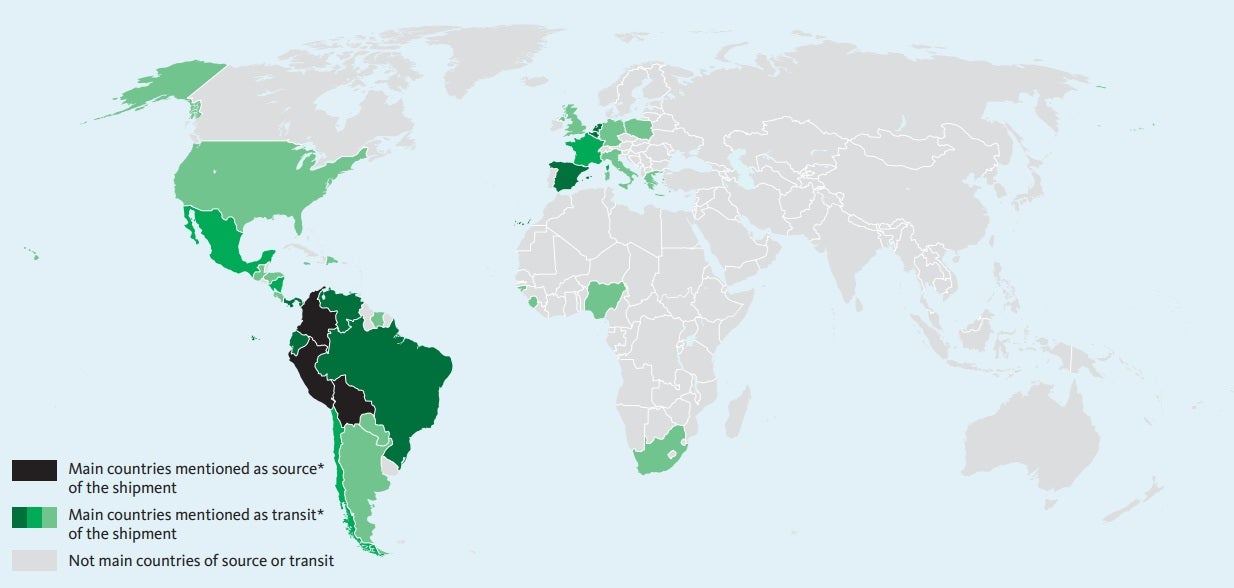
The UN’s World Drug Report 2025 found that 2023 saw more than 3,708 tons of cocaine produced, thanks partly to an increase in coca cultivation in Colombia. Maps showing the flow of the drugs show it arriving by air and boat to the UK, as well as other European countries.
Last year, five men were caught trying to smuggle cocaine with 89 per cent purity, worth £26.5m, via a speedboat onto the West Country coast. The cocaine, weighing 332kg, had been dropped off by a cargo ship. In the same year, three men were chased down by police on a Cornish beach after picking up bales of cocaine in the sea, much to the amazement of onlookers who filmed the arrests.
An independent report written by Dame Carol Black said importation and selling of cocaine in the UK was largely dominated by Albanian organised crime groups, with the market said to be worth £1.9bn in 2020.
 open image in gallery
Adam Thompson, head of drugs threat at the NCA, said: “Cocaine production in South America is at a record high, driving down wholesale prices, which organised crime groups trade at, to historic lows. Cocaine purity has also increased in recent years as there is no need to dilute it to make a profit, given the large volumes some producers are supplying into the illicit market.
“UK law enforcement has held the line but without a reduction in demand from users, stemming the supply of cocaine will be a continuing battle.”
A Home Office spokesperson said it had strengthened border security to tackle the criminal gangs, with around five tonnes of cocaine seized at just one port in under a month – depriving criminal gangs of more than £400m worth of drugs.
“We will continue to work across health, policing and wider public services to drive down drug use and stop those who profit from its supply.”
At Cheltenham, the Jockey Club targeted drug users with dog searches at the entrance and teams of security officers out on patrol. The organisers also placed drug amnesty bins at the entrances.
A spokesperson said: “Illegal drug use remains a wider societal issue which affects many major events, and we are extremely disappointed that such behaviour takes place here.
“The Jockey Club operates a zero-tolerance policy towards illegal substances, and a range of measures were in place throughout The Festival, including detection dogs, bag searches, pat-downs at all entrances and amnesty bins to deter and detect drug use.”