


This article first appeared on our partner site, Independent Persian
After 88 days of a widespread internet shutdown in Iran, the Islamic Republic partially restored access for some users this week.
State media described the move as the “return of the internet”, but an investigation by Independent Persian, global data and reports sent to us from across Iran suggest that users still only have limited, slow and unstable access.
These reports indicate that the internet has not been restored to what it was before the January protests and the subsequent US-Israel war that began a month ago.
The large-scale internet blackout in Iran, imposed after the killing of Ali Khamenei and the start of the conflict, has become the longest state-imposed internet shutdown in modern history.
During that period, tens of millions of Iranians were effectively cut off from the outside world, online businesses collapsed, educational and medical services were severely disrupted, and families lost contact with relatives abroad.
Although some connectivity has now returned, data from Kentik – a company specialising in global internet traffic analysis – shows that Iran’s internet traffic still remains significantly below normal levels, with only a portion of users regaining access to the global internet.
According to charts published by Doug Madory, director of internet analysis at Kentik, internet traffic in Iran has increased only marginally after nearly three months of blackout and remains far below levels seen before January.
During the current phase, which is being described as the “return of the internet”, user connectivity has not exceeded 39 per cent.
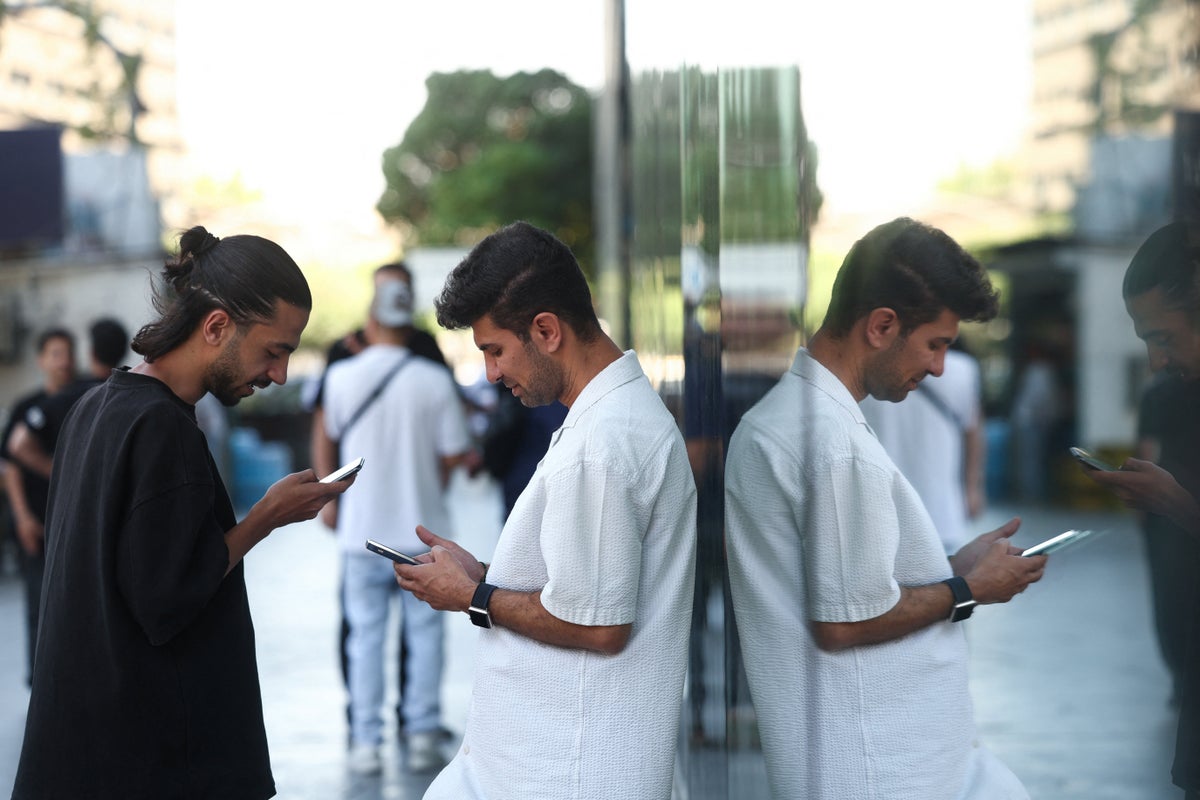
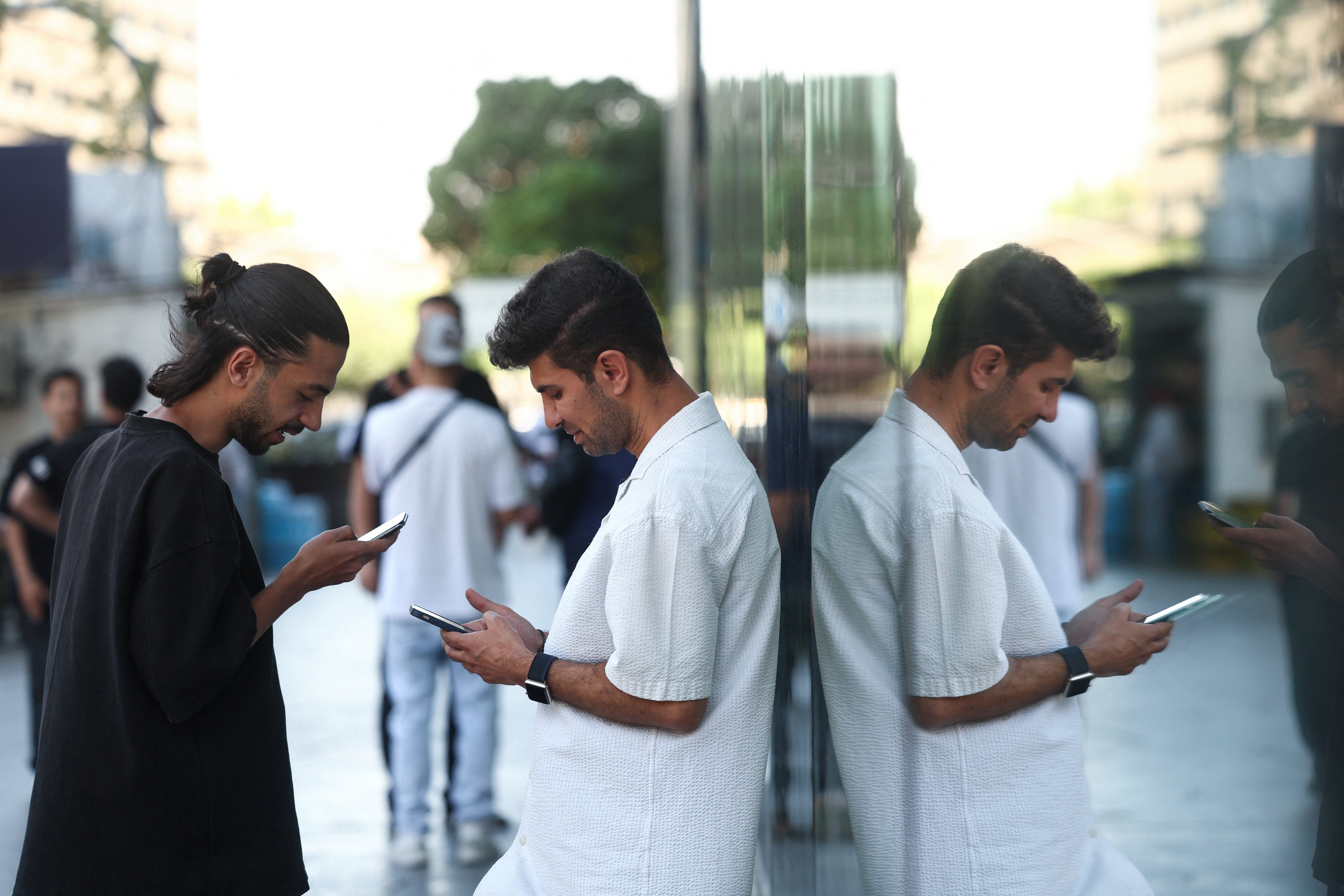
At the same time, Independent Persian has received dozens of messages and firsthand accounts from people across Iran indicating that a large portion of the population still either lacks access to the global internet or can only connect through extremely limited and very slow service.
Users also report widespread disruptions across Iran’s internet network.
“Even though the internet has partially reopened, none of the apps work properly, even with strong VPNs. We still have to rely on expensive paid configurations to get connected,” a Tehran resident told Independent Persian.
Similar messages from other cities suggest that disruptions to major online services continue. Many users say Telegram remains stuck in “updating” mode, messages are delayed for long periods and many global services are effectively unusable.
Iranian newspaper Donya-e-Eqtesad also reported that despite internet access being restored for fixed broadband subscribers, Google Play remains inaccessible for many users, leaving them unable to download or update apps.
The issue has become a major problem for millions of Android users, particularly Samsung phone owners.
Some users say even security updates are difficult to install, while many applications have effectively stopped functioning without stable access to Google Play.
 open image in gallery
“Anyone saying the internet in Iran is back truly has no idea what people are going through. Google Play still doesn’t open, and we can’t even update Samsung apps,” one user wrote.
Findings by Independent Persian suggest that only limited access for a portion of users was restored, leaving millions across Iran without proper access to the global internet. Some technology experts believe Iran’s government has only partially restored international connectivity in order to ease public pressure while still maintaining strict control and surveillance over users.
Many social media users also report that internet speeds remain extremely slow and that using VPNs is nearly impossible. Others say the regime has intentionally restored connectivity in a way that only allows access to limited and tightly controlled services.
More significant than the technical restoration itself, however, is the public mood after 88 days of blackout – something clearly reflected in users’ messages.
Contrary to state media efforts to portray the return of internet access as a sign that “conditions are returning to normal”, many Iranians are expressing deep anger and despair rather than relief.
At the same time, estimates suggest the economic cost of the 88-day shutdown has reached unprecedented levels.
According to data from NetBlocks, the direct economic losses from the blackout total around $3.287bn (£2.45bn) – equivalent to roughly 571.9 trillion tomans based on an exchange rate of 174,000 tomans per dollar.
NetBlocks had previously estimated that each day of internet shutdown costs Iran’s economy approximately $37.35m (£27.79m) in direct losses.
Afshin Kolahi, head of the Knowledge-Based Economy Commission at Iran’s Chamber of Commerce, also estimated indirect daily losses from the shutdown at between $70m (£52m) and $80m (£59.50m).
Based on these figures, the total indirect losses over the 88-day period amount to between $6.16bn (£4.58bn) and $7.04bn (£5.24bn), averaging roughly $6.6bn (£4.91bn) – more than 1.148 quadrillion tomans.
 open image in gallery
The scale of these losses becomes clearer when compared with major infrastructure projects. For example, Iran’s entire rural water supply budget for the Iranian year 1405 (which began in March 2026) was reportedly around 25 trillion tomans (about £107.13m).
That means the direct financial damage from the internet shutdown alone was more than 23 times larger than the country’s annual rural water infrastructure budget.
Kolahi also said the cost of a single day of internet shutdown is equivalent to the budget needed to build four large bridges comparable to Karaj’s B1 Bridge or to construct two power plants – a comparison highlighting the enormous economic impact of one of the longest internet blackouts in the history of the Islamic Republic.
Beyond its severe economic consequences, the 88-day shutdown also reignited debate in Iran over “tiered internet access” and state control over the free flow of information.
During the blackout, many government institutions, state-affiliated media outlets and select companies continued to enjoy stable internet access, while millions of ordinary citizens were deprived of even basic communication tools.
Even now, many users describe the current situation as resembling a “half-dead internet”, saying there has been no true return to the global network.
With the regime still failing to provide clear explanations about the extent of restrictions, the real level of connectivity, or when full internet access might return, concerns remain high that another nationwide shutdown could happen again.
Reviewed by Tooba Khokhar and Celine Assaf