


UN adds Israel and Russia to blacklist for sexual violence in conflict
Organisation cites abuse by security forces, including rape of male detainees
The UN has added Israel and Russia to a blacklist for sexual violence in conflict, citing abuse by security forces including rape of male detainees. .
The UN verified sexual abuse of 31 Palestinian men, women and children from the Gaza Strip and the occupied West Bank between 2023 and 2025. Israeli attacks included repeated gang-rapes and the use of sexual violence as a form of torture, the report said.
Other violations include rape with objects, attempted rape, attacks on genitals, targeted shooting of genitals, touching of breasts and genitals, forced nudity and threats of rape.
These cases were “indicative of incidents and patterns” rather than a comprehensive summary of conflict-related sexual violence by Israelis, because of restrictions on UN investigators.
Israel barred UN experts from detention centres, blocked travel to Gaza, and has threatened Palestinian detainees if they report abuse after their release.
Russia also obstructed investigations into “systemic” sexual violence against Ukrainians, barring monitors from accessing prisoners of war and civilians in detention, the UN said.
Despite these challenges, investigators verified 310 cases of abuse, including rape and gang-rape, genital mutilation and applying electric shocks to genitals. Most victims were men, with 26 women and four girls also abused.
Russia deploys systematic sexual torture against Ukrainians, both civilians and prisoners of war, in “almost all” detention centres, the UN previously found.
In two-thirds of cases, Russian forces used multiple forms of sexual violence, and more than half of survivors endured repeated sexual attacks, the report said. Most were interviewed in Ukrainian-held territory after their release.
Israel and Russia both deny the use of sexual violence by their military. Israel’s ambassador to the UN, Danny Danon, said the country had cut ties with the UN secretary general, António Guterres, in response to the blacklisting.
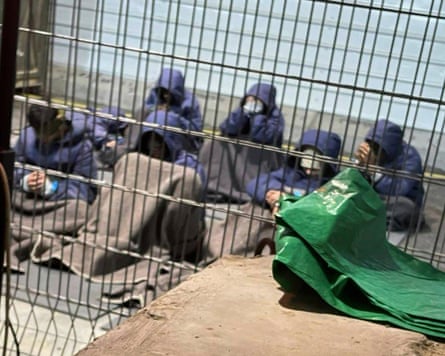
Danon said in a social media post that “Israel submitted evidence, documents, and detailed responses to every claim”. He did not share any evidence publicly. Israel has not allowed the International Committee of the Red Cross to visit detainees since October 2023.
Details of the report, which lists 77 countries and armed groups, were shared by Israeli diplomats at the UN before its release, and the full report was posted online by the US news site PassBlue.
Worldwide, the report found that conflict-related sexual violence rose sharply from 2024, “marked by extreme brutality, and overwhelmingly targeted women and girls”.
Israel and Russia however both diverge from this trend by also targeting men. The UN documented nine cases of rape by Israeli forces, mostly of men or boys from Gaza, who were targeted in detention centres or during interrogation.
One attack took place in a police station in the Gush Etzion settlement in the occupied West Bank, the report said. Perpetrators included Israeli soldiers, prison officers and members of an elite police counter-terror unit.
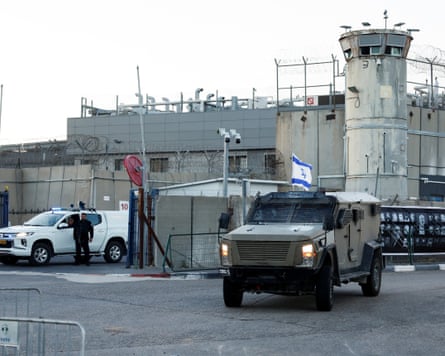
A “systemic lack of accountability” for sexual violence helped create a culture of impunity, the UN said, citing the assault and rape of a detainee from Gaza that was filmed on security cameras and reported to police by Israeli medics.
The prime minister, Benjamin Netanyahu, described the alleged perpetrators as “heroic” and an attempt to prosecute them, which failed, as “criminal”. The victim was never charged or tried and has since been released.
Over the past three years, violence, including rape, extreme hunger and humiliation, has been normalised in Israeli jails. Rights groups say detention centres have become “torture camps” for Palestinians.
The far-right national security minister, Itamar Ben-Gvir, who has boasted of a “prison revolution”, caused a diplomatic crisis last week by publishing footage of Israeli security forces abusing international activists detained while trying to sail to Gaza with aid.
The forms of abuse captured in the video have been routinely used against Palestinian prisoners in Israel. After the activists’ release, at least 15 said they had been sexually assaulted in custody, including a rape.
The UN previously added Hamas to the sexual violence blacklist for the October 7 attacks in Israel and for abuse of hostages in Gaza. The militant group has not recognised any cases of sexual violence or held any alleged perpetrators responsible.
Ukrainian forces have also committed conflict-related sexual violence, with 31 incidents, including beating of genitals, applying electric shocks and forced nudity, verified since 2022, most before 2025.
The Ukrainian government allowed access to independent monitors and lawyers and is taking steps to strengthen laws to address sexual violence, the report said.
- United Nations
- Israel
- Rape and sexual assault
- Russia
- Gaza
- Middle East and north Africa
- Palestine
- news