


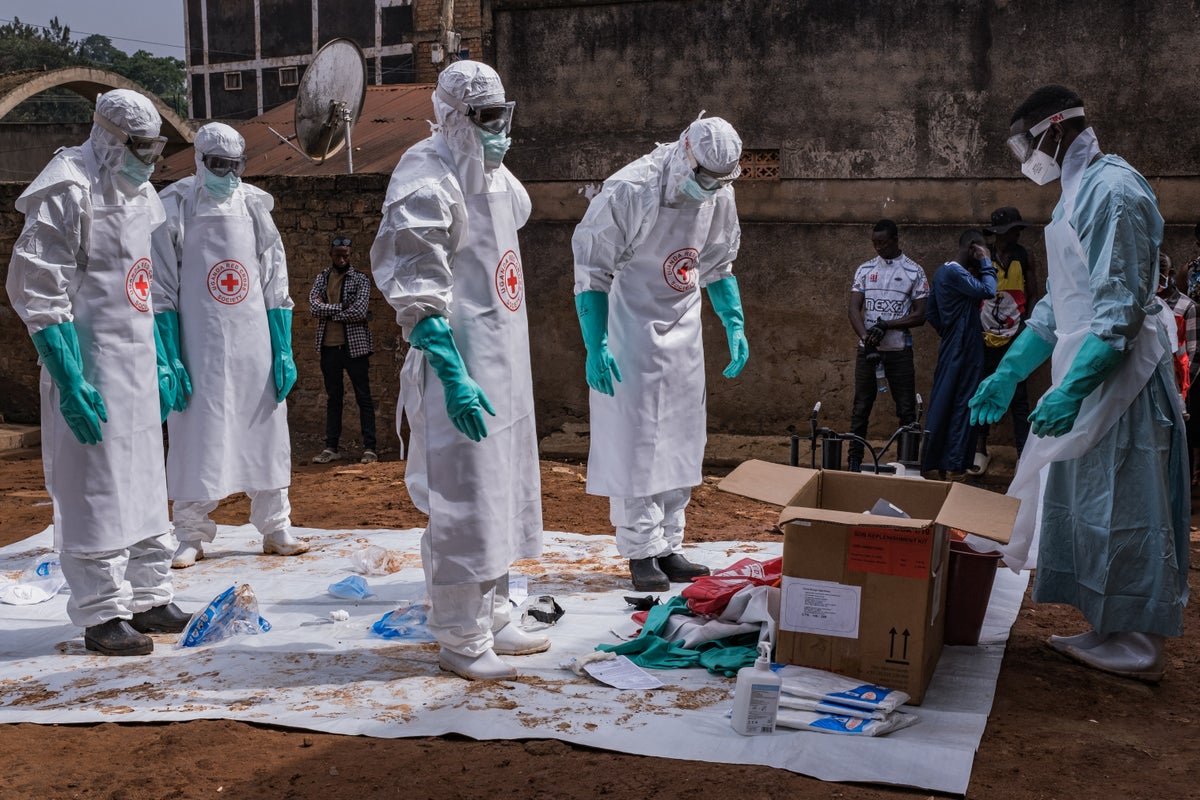
Ugandan authorities have ordered the immediate closure of their border with neighbouring Congo following a surge in a rare strain of Ebola and the emergence of new cases within Uganda.
The decision, made by a local Ebola task force led by Vice President Jesca Alupo, comes after an increase in Ugandan health workers were exposed to the virus by Congolese patients who had crossed the border prior to the outbreak being officially declared on 15 May.
The World Health Organization, which has designated the outbreak a public health emergency of international concern, has advised against such measures. “No country should close its borders or place any restrictions on travel and trade. Such measures are usually implemented out of fear and have no basis in science,” the WHO stated, even as it acknowledged the high risk to neighbouring nations.
The WHO added: “They push the movement of people and goods to informal border crossings that are not monitored, thus increasing the chances of the spread of disease.” It said infected people or those who have been in contact with them should not undertake international travel unless it’s a medical evacuation.
 open image in gallery
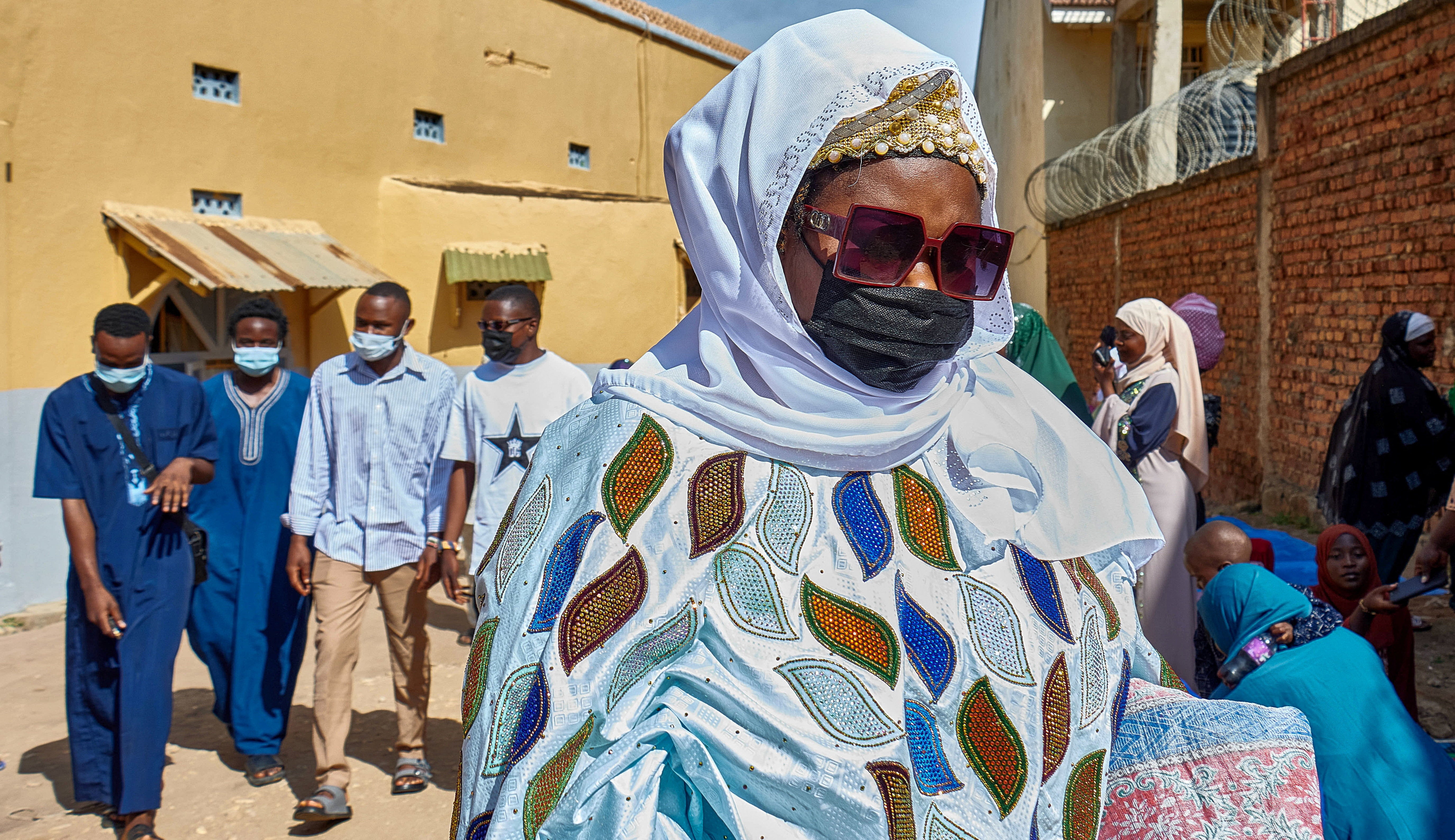
The border between Uganda and Congo is several hundred miles long and crossed by numerous footpaths beyond formal border posts.
Health authorities in Congo are struggling to contain the outbreak that the WHO has said is outpacing them, after the rare Bundibugyo type of Ebola was confirmed weeks late as tests were carried out for a more common type.
The number of suspected Ebola cases in eastern Congo is nearing 1,000, with at least 220 suspected deaths. Congo’s health ministry on Tuesday said 101 cases have been confirmed, and they are looking into over 3,000 possible contacts.
Challenges include the threat of armed groups in eastern Congo, a large number of displaced people and poor infrastructure.
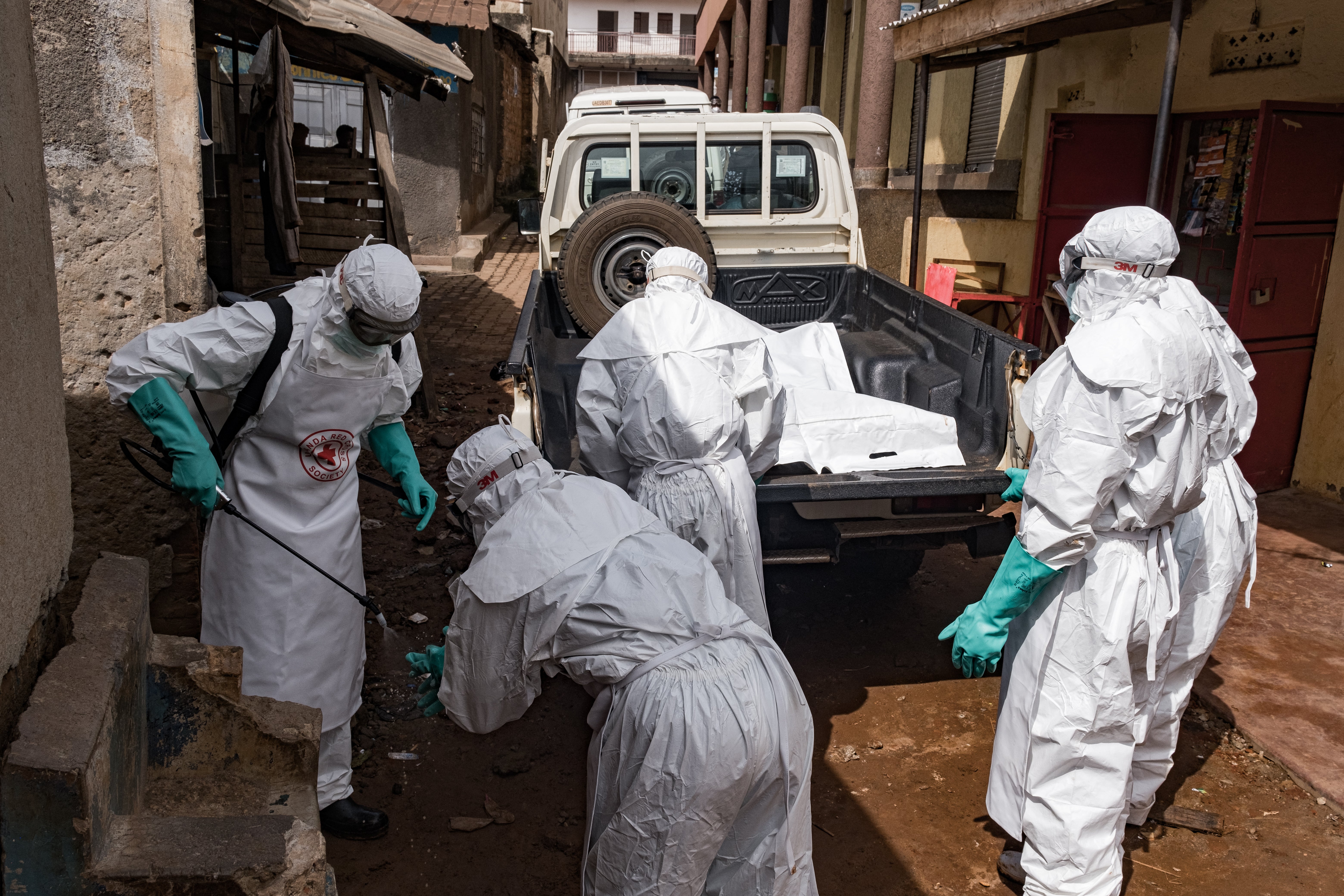
Uganda has reported seven cases of Ebola, including the first case of a 59-year-old man who died in Kampala, the capital, on May 14.
 open image in gallery
While the Ebola case load in Uganda is not spiking, the number of locals exposed to infection via health workers has been rising.
“They have families, and so the number has been increasing,” Dr. Diana Atwine, permanent secretary of the Ministry of Health, said of health workers.
Travel across the Congo border will be authorized only in emergency cases, including for the Ebola response, cargo or security reasons, she said.
She said she was dismayed to see some Ugandans forming crowds to celebrate Arsenal as British Premier League champion. The team has a large following in Uganda.
“I don’t understand,” Atwine said, urging Ugandans to be vigilant, avoid shaking hands and use sanitizer.