


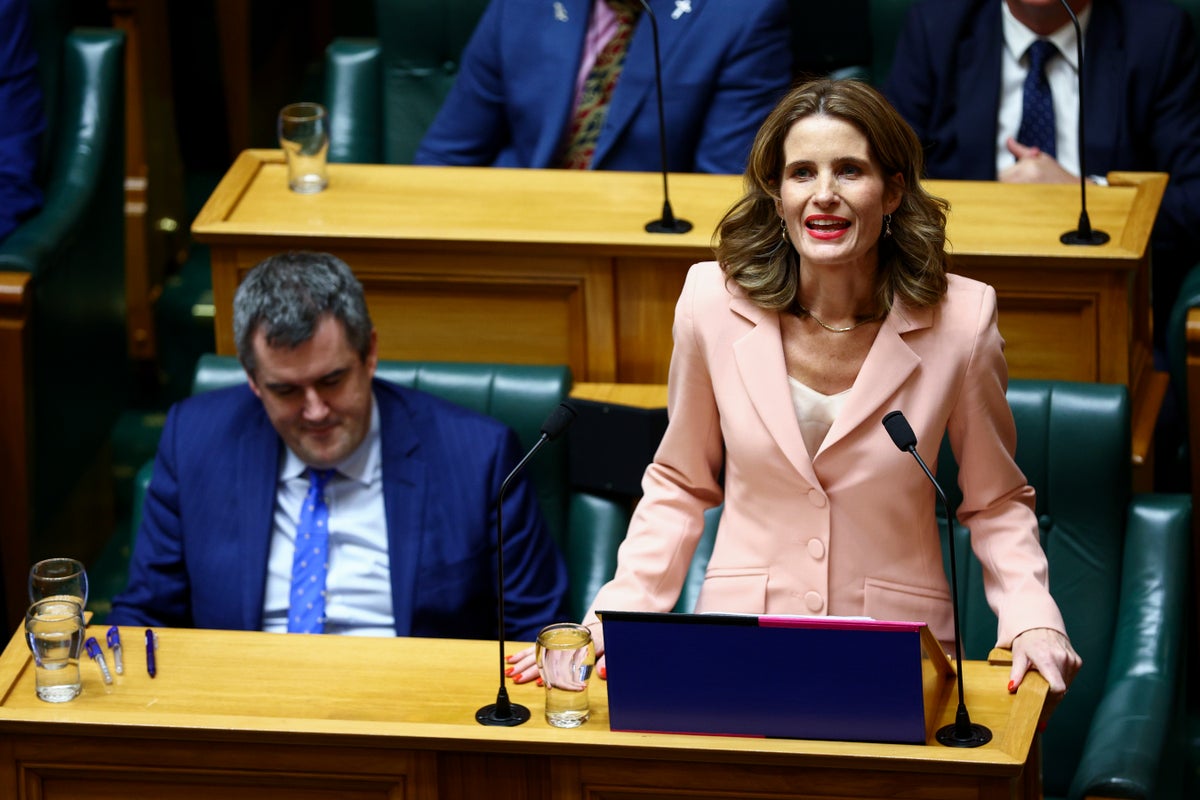
New Zealand has unveiled a fiscally conservative budget, slashing growth forecasts and implementing public service cuts, as the government prioritises financial stability amid escalating economic risks linked to the US-Israeli war on Iran and an impending election.
The “bare-bones” approach, which avoids voter-pleasing “sugar hits”, aims to preserve fiscal firepower while navigating a challenging global landscape.
Finance minister Nicola Willis stated the budget takes “careful steps to support New Zealanders now while strengthening the economy for the years ahead”.
She warned the Mideast conflict was fuelling inflation and hindering recovery in the trade-dependent nation.
While vowing to boost capital spending on defence, schools, and hospitals, Ms Willis maintained a tight grip on new operating expenditure, signalling deeper cuts across the public service that could jeopardise thousands of jobs.
The government projects a budget deficit of NZ$15.06bn for the fiscal year ending June 2026, narrower than a deficit of NZ$16.93bn in its half-year update in December.
Ms Willis said policymakers were focused on getting the books back into surplus and were now forecasting a return to surplus in 2029-30, compared to a small deficit projected previously.
Westpac chief economist Kelly Eckhold described it as an “unexpectedly positive budget” from a fiscal perspective, although he cautioned about potential “downside risks” to tax income assumptions given the uncertain geopolitical environment.
The economic outlook remains fraught, with S&P Global Ratings warning of potential pressure on New Zealand’s credit ratings.
The agency highlighted the economy’s exposure to the Mideast conflict, stating that “downside risks could see the country’s wealth gap and fiscal deficits widen compared with other advanced, highly rated sovereigns”.
Since taking power in late 2023, the centre-right government, led by the National party, has tightened spending, arguing the necessity to curb waste and rein in debt. However, critics contend that this austerity is stifling an economy already struggling to regain momentum over the past two years.
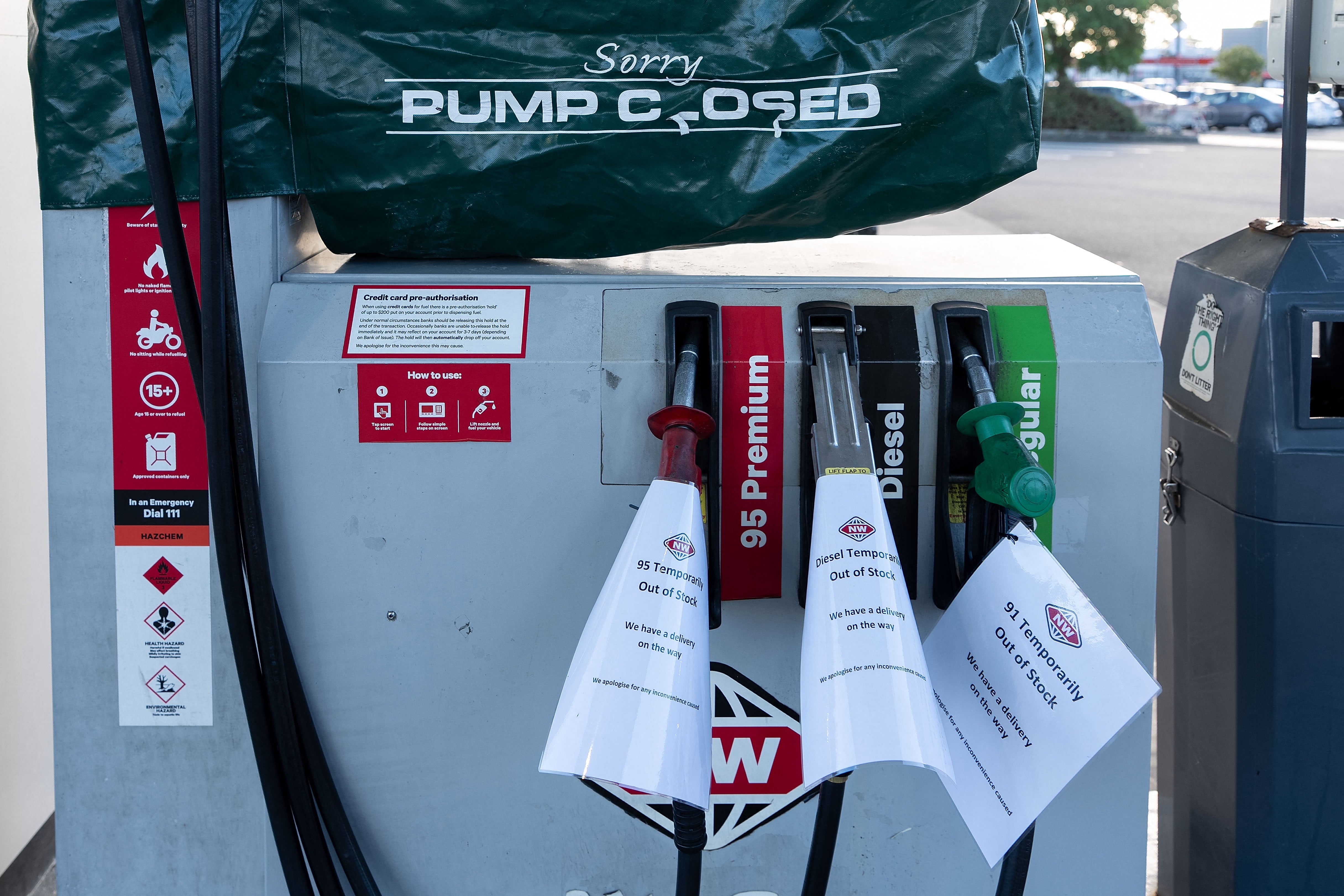
The challenges are stark, with the Mideast conflict severely limiting policy options. Global shocks have worsened the outlook since December’s forecasts, with rising fuel prices reigniting inflation above the central bank’s 1-3 per cent target. Growth is expected to soften, consequently crimping tax revenues.
 open image in gallery
When the government called the election in January, it had anticipated sustained growth, inflation around 2 per cent, and falling unemployment. This has not materialised.
The Treasury now forecasts gross domestic product to rise by 2.3 per cent in the year ending 30 June 2027, a significant downgrade from the 3.4 per cent projected in December. The Reserve Bank of New Zealand, which held its official cash rate at 2.25 per cent in a tight vote, has signalled imminent hikes to counter the energy shock, forecasting softer economic growth and prolonged unemployment.
With Fitch and Moody’s having already shifted New Zealand’s sovereign outlook to negative, the government is attempting to reassure markets and ratings agencies of its fiscal discipline. The kiwi dollar slipped 0.2 per cent against the US dollar, while government bond yields eased from earlier highs.
Ms Willis reiterated in her budget speech that while some might advocate for “band-aids and sugar hits” in an election year, the government has opted for a “responsible and durable approach”.
The opposition Labour party, however, criticised the budget for failing those affected by rising costs and unemployment. Barbara Edmonds, Labour’s finance spokesperson, asserted that “National is holding New Zealand back”.
The Treasury now expects inflation to be tracking at 4.0 per cent in the current financial year before slowing to 1.6 per cent next year. It announced plans to reduce bond issuance by NZ$6bn as it pared back debt.
Many of the new initiatives came from cuts within government departments, while a scheme that paid for the final year of university for students was axed.
The government also announced plans to introduce a prudential levy on banks, non-bank deposit takers, insurers and other financial market participants that will recover around NZ$209m.