


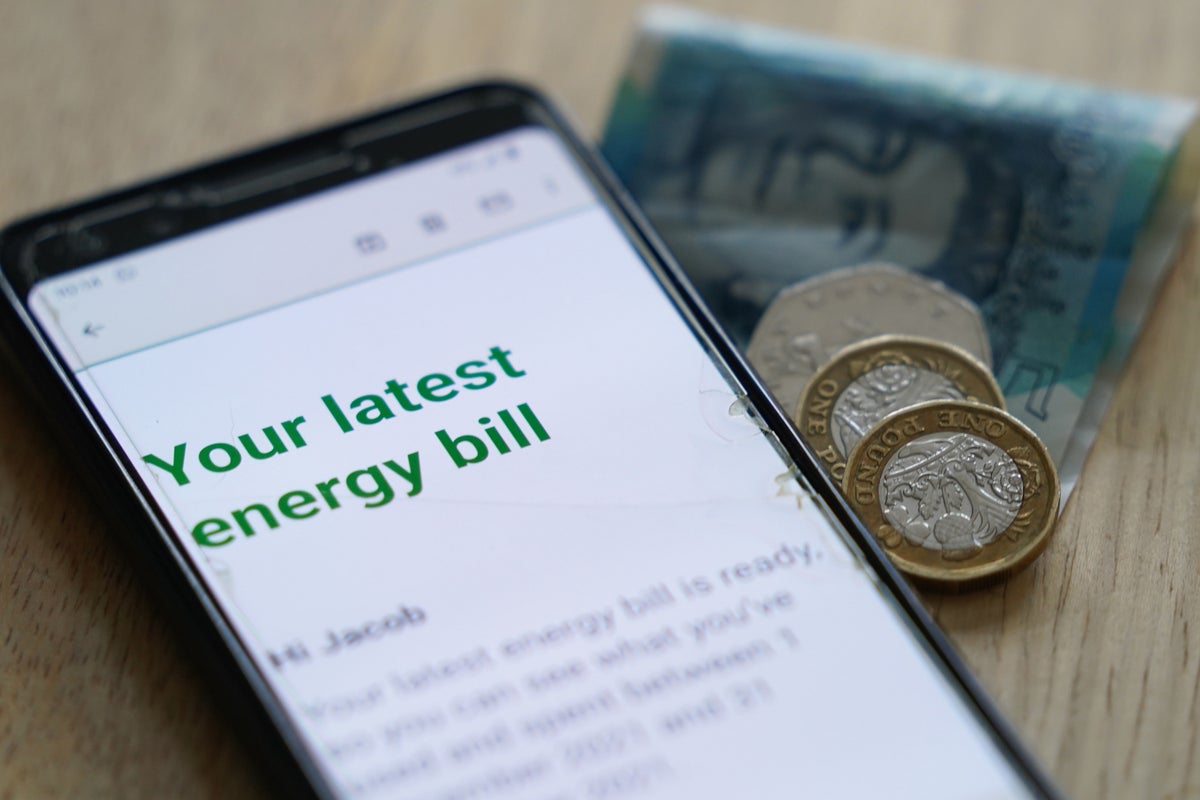
The announcement by Ofgem that energy bills will rise to 13 per cent in July has come as another crushing blow to UK households as they continue to face the consequences of Donald Trump’s war in the Middle East.
Brits are being squeezed from all angles as a result of so-called Trumpflation, fresh on the back of another bout of tax rises brought in by the Labour government.
British businesses are also feeling the pinch after rising employment costs and other cost increases over the past year, in addition to the new energy price uplift.
The cost of power, however, is only part of the problem – and one which feeds through into other areas of life, including food, manufacturing and transport.
Experts are also warning that the cost of living crisis is only set to get worse, with painful energy price rises due to hit in October, when demand increases ahead of winter.
Trades Union Congress (TUC) general secretary Paul Nowak said: “Painful energy price rises are coming down the track – and working people are already feeling the pinch with fuel costs rising because of Trumpflation.
“The longer this war goes on, the greater the threat to working people.”
Here, The Independent looks at where households are facing rising costs this year as a result of the Iran war.
Energy price cap
With a £221 annual jump in typical energy bills from July, the price cap surge will be a major concern for households, largely because there’s only a limited amount people can do to reduce the amount of electricity or gas they use.

Get a free fractional share worth up to £100.
Capital at risk.
Terms and conditions apply.
ADVERTISEMENT
Get a free fractional share worth up to £100.
Capital at risk.
Terms and conditions apply.
ADVERTISEMENT
Fixing your tariff ahead of time and using price comparison websites are two ways that households can try to limit the impact of the rise. Consumers can also move off variable pricing deals, which can leave them exposed to further rises.
The price cap for a dual-fuel arrangement paid on direct debit will sit at £1,862 from July.
Petrol prices
On Tuesday, it emerged that petrol pump prices had hit a new high since the Iran war began.
The average cost of a litre of petrol was 159.43p – that’s 26.6p more expensive than prices were 28 February. The RAC say the cost of a 55l tank of petrol for an average family-sized car now costs £87.69.
That’s up a total of £14.63 compared to before the war started – a rise of 20 per cent, or one-fifth.
However, the wholesale price of petrol has recently fallen, with consumer groups hopeful that it will soon be reflected at pumps – though some companies have been criticised for being too quick to raise prices and too slow to lower them again.
Groceries
At the start of April, the Food and Drink Federation (FDF) warned that grocery costs could surge by as much as 10 per cent across 2026, mostly as a result of increasing energy costs. There are also lingering concerns over higher fertiliser prices, another commodity that is regularly shipped through the Strait of Hormuz.
Unfortunately, while petrol costs are fluctuating up and down, the same is unlikely to be true for food prices, says the Energy and Climate Intelligence Unit (ECIU).
The data showed that on average, shelf prices fell by only 1 per cent of the original price rise after six months and by only 5 per cent a year after the price shock.
“Shoppers feeling that prices are on a never-ending escalator upwards is borne out by the data. War and extreme weather are increasingly pushing up the cost of the weekly shop with the latest conflict in the Middle East driving up the price of oil, gas and fertiliser used to grow, ship and process food,” explained Chris Jaccarini, food and farming analyst at the ECIU.
Henry Dimbleby, former lead of the government’s National Food Strategy, added: “Food inflation has been brutal – and it will keep biting unless we tackle the underlying causes.
“As climate change and energy volatility worsen, shocks are likely to become more frequent and more severe. Unless we cut our reliance on fossil fuels, diversify supply chains and build real resilience into food production, higher food prices will become a lasting feature of daily life – with the heaviest burden falling on those least able to bear it.”
Recent data also showed the cost of British favourite fish and chips has close to doubled since 2019, with the price of cod and haddock rising on the back of wars in Iran and Ukraine and oil prices also spiralling this year.
Interest rates and mortgages
A longer-term knock-on effect could come with rising prices – in other words, inflation – leading to the Bank of England voting to raise interest rates in an attempt to stop them spiralling even higher.
So far, the BoE has held firm this year at 3.75 per cent, but there remains a real possibility that later this year it will be lifted back to 4 per cent, or even higher.
Mortgage rates have already shot up as the market behind them reacts sensitively to the prospect of interest rate changes. AJ Bell’s Sarah Coles, head of personal finance, warned those with upcoming renewals to act early and secure the best deal possible to prevent unexpected repayment hikes.
“The price cap rise in July will also feed through into inflation figures. The Bank of England is tasked with keeping inflation at 2 per cent, which is why the market has been pricing in two interest rate rises by the end of the year,” she said.
“It means anyone on a variable rate mortgage could see their monthly payments get more expensive. Those who are on a fixed rate and coming up for a remortgage may also see deals get pricier, especially if inflation comes in hotter than expected.
“It’s worth shopping around for a new fix as soon as you have six months left to run on your fixed rate deal. If mortgages get cheaper, you can find a better deal, but if they’re pricier, you’ll have locked in a relative bargain.”