


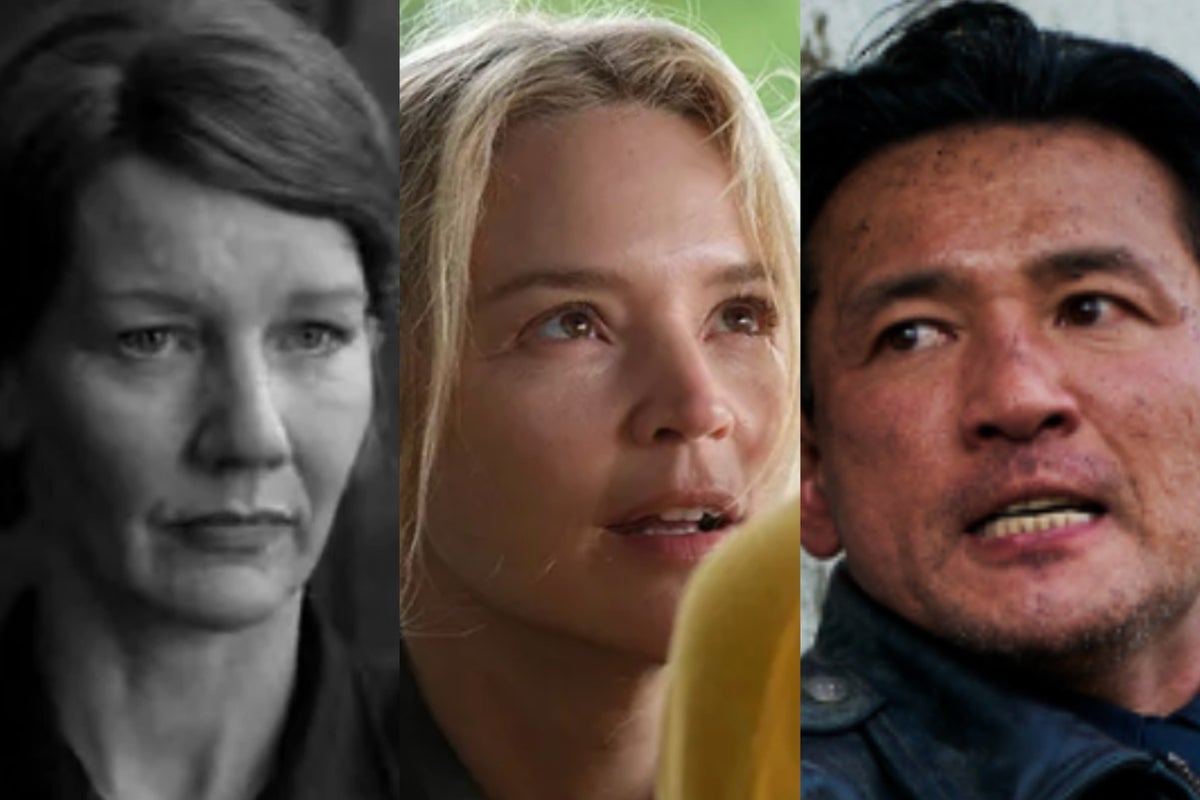
Cannes Film Festival played out with barely a hitch, in a refreshingly understated year that mostly omitted Hollywood in favour of global auteurs.
In the past, the festival has provided a launchpad for films including Rocketman, Top Gun: Maverick and Elvis, but 2026 was more muted than usual, with the A-list provided by James Gray’s middling 1980s-set New York gangster film Paper Tiger, starring Miles Teller and Adam Driver. Their fellow star Scarlett Johansson not only shunned the premiere, but didn’t answer Gray’s phone call during the film’s standing ovation.
This year’s big winners were Cristian Mungiu’s Fjord and Andrey Zvyagintsev’s Minotaur. The former, which scooped the Palme d’Or, was more of the impressive same from Mungiu, a director who places a microscopic light on taboo subjects. The new film from the acclaimed filmmaker, who previously won for his 2007 abortion drama 4 Months, 3 Weeks and 2 Days, stars Sebastian Stan and Renate Reinsve as Romanian Evangelicals who relocate to Norway, and clash with the progressive locals after being accused of hitting their children.
Meanwhile, Minotaur is filmmaker Zvyagintsev’s first film since big life events – nearly dying from Covid and exiling himself from Russia over the country’s invasion of Ukraine. Minotaur, which follows a man who becomes convinced his wife is cheating on him, is boldly set during the country’s 2022 invasion, and Russia has vowed never to screen the film. It took home the second-place prize, the Grand Prix. They were admirable selections.
Such is the nature of hectic schedules, we didn’t get to see everything we wanted at Cannes, with notable omissions including Jordan Firstman’s buzzy comedy-drama Club Kid, Rafiki Fariala’s directorial debut Congo Boy, and Lukas Dhont’s Coward, which won Best Actor for its young stars Emmanuel Macchia and Valentin Campagne.
But out of the 30-plus films we saw, below are the eight ones you should look out for over the coming year.
All of a Sudden
★★★★☆
 open image in gallery
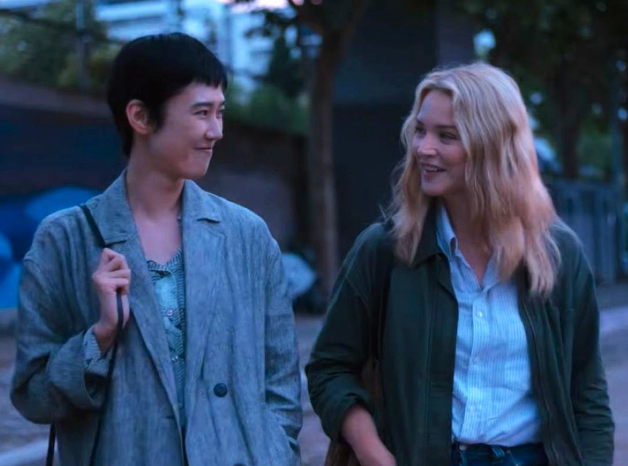
If you know Ryusuke Hamaguchi, you’ll know what you’re signing up to with All of a Sudden, a towering achievement of gentleness from a filmmaker as humanistic as they come. The film follows a care home director (Virginie Efira) whose plan to introduce a new life-enchancing scheme, blurring the lines between patients and workers, is met with opposition. The film also follows Efira’s chance encounter with a theatre director (Tao Okamoto), who decides to accompany her new friend on a night shift. These scenes provide the centrepiece of a deeply affecting film that embraces the beauty of life, right up until the very end, and Efira and Okamoto were rightly awarded the joint Best Actress prize as the festival concluded; their performances are a masterclass in acting as symbiosis. Hamaguchi has become known for his epic runtimes, and All of a Sudden – ironically – is no different, running at 196 minutes – a modest length next to Happy Hour’s 317 minutes – and yet it runs by quicker than most films, transfixing viewers with its cornucopia of wondrous merits. Jacob Stolworthy
Everytime
★★★★★
 open image in gallery
The best film I saw at Cannes might be the best new film I’ve seen all year. Everytime is a drama following a mother and daughter in the wake of an unspeakable tragedy. But it’s much more than this. Austrian filmmaker Sandra Wollner won the Un Certain Regard trophy for the drama, which has been described as Lynchian Aftersun. While that phrase certainly fits, Everytime feels more like a cousin to The Leftovers. But forget comparisons: this is an experience all its own – a metaphysical head-scratcher that blurs reality with fiction, prompting each viewer to draw their own conclusion from one scene to the next. The bewitching film will prove fodder for viewers who welcome ambiguity, but will be written off by some who prefer things tied up in neat little bows. Instead, Everytime dares you to re-tie the bow in different ways to see what you end up with. It’s a choose-your-own-adventure book in film form. JS
Fatherland
★★★★☆
 open image in gallery
Watch Apple TV+ free for 7 day
New subscribers only. £9.99/mo. after free trial. Plan auto-renews until cancelled.
ADVERTISEMENT. If you sign up to this service we will earn commission. This revenue helps to fund journalism across The Independent.
Watch Apple TV+ free for 7 day
New subscribers only. £9.99/mo. after free trial. Plan auto-renews until cancelled.
ADVERTISEMENT. If you sign up to this service we will earn commission. This revenue helps to fund journalism across The Independent.
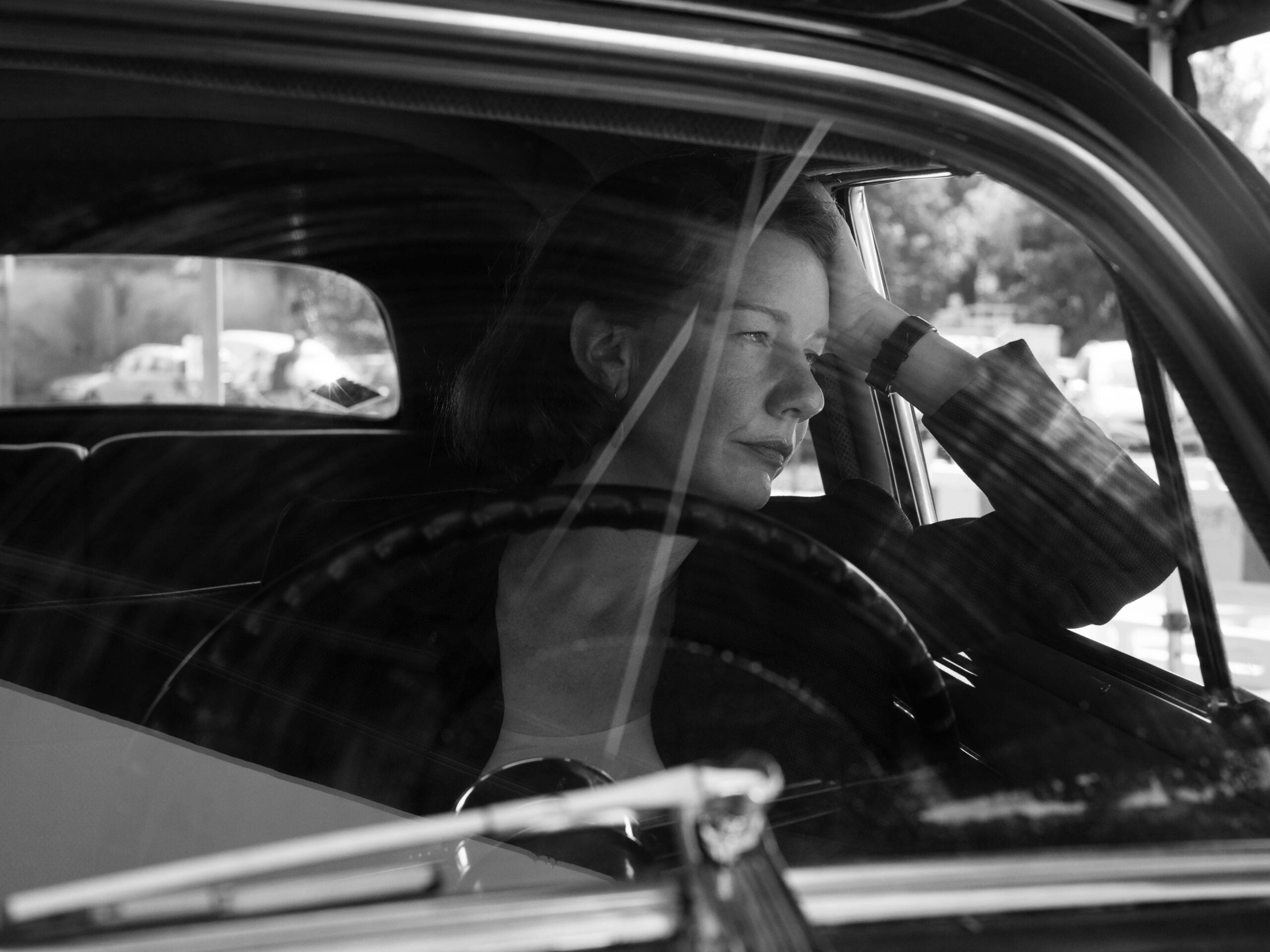
Completing a loose triptych with Ida (2013) and Cold War (2018), Paweł Pawlikowski’s Fatherland is a near-perfect chamber piece: austere, tender, and – in Sandra Hüller – anchored by one of the performances of the year. Set in 1949, it follows Nobel laureate Thomas Mann (Hanns Zischler) and his daughter Erika (Hüller) on a road trip through divided Germany: the great author returning from American exile, moving through the ruins of a country still reckoning with what it did to itself. Shot in Pawlikowski’s signature black-and-white, it is grave without being heavy, precise without being cold. It won Pawlikowski a shared Best Director at Cannes. It is not hard to see why. Patrick Smith
Hope
★★★★☆
 open image in gallery
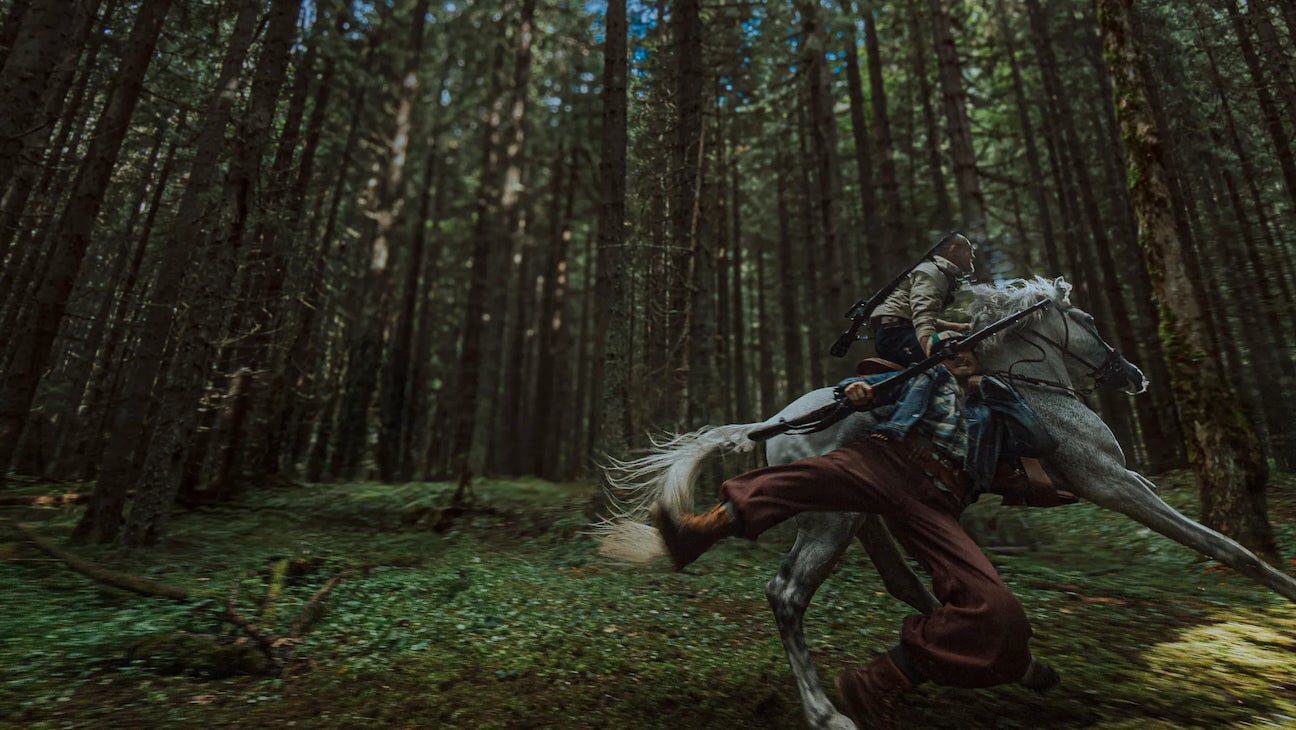
It takes some chutzpah to cast Michael Fassbender and Alicia Vikander, then render them unrecognisable beneath CGI and barely use them. But Na Hong-jin is a director who has that in spades. Having made his name with The Chaser (2008), The Yellow Sea (2010) and The Wailing (2016), he returns after a decade with a creature feature that is a pulse-pounding, adrenaline-pumping piece of filmmaking, staggering in its bravura.Set in Hope Harbour, a rural mountain town near the Korean DMZ, where a mutilated bull heralds something considerably worse than a tiger, it follows a local police chief (Hwang Jung-min) and his foul-mouthed deputy (Hoyeon) as they reckon with an invasion that the locals – and their rifles – are spectacularly ill-equipped to handle. At 165 minutes, the film overstays its welcome, even if it moves with such vim that you never have a chance to check your watch. Hope is bold and breathlessly kinetic: it makes Hollywood look timid. Emphatically. PS
I See Buildings Fall Like Lightning
★★★★☆
 open image in gallery
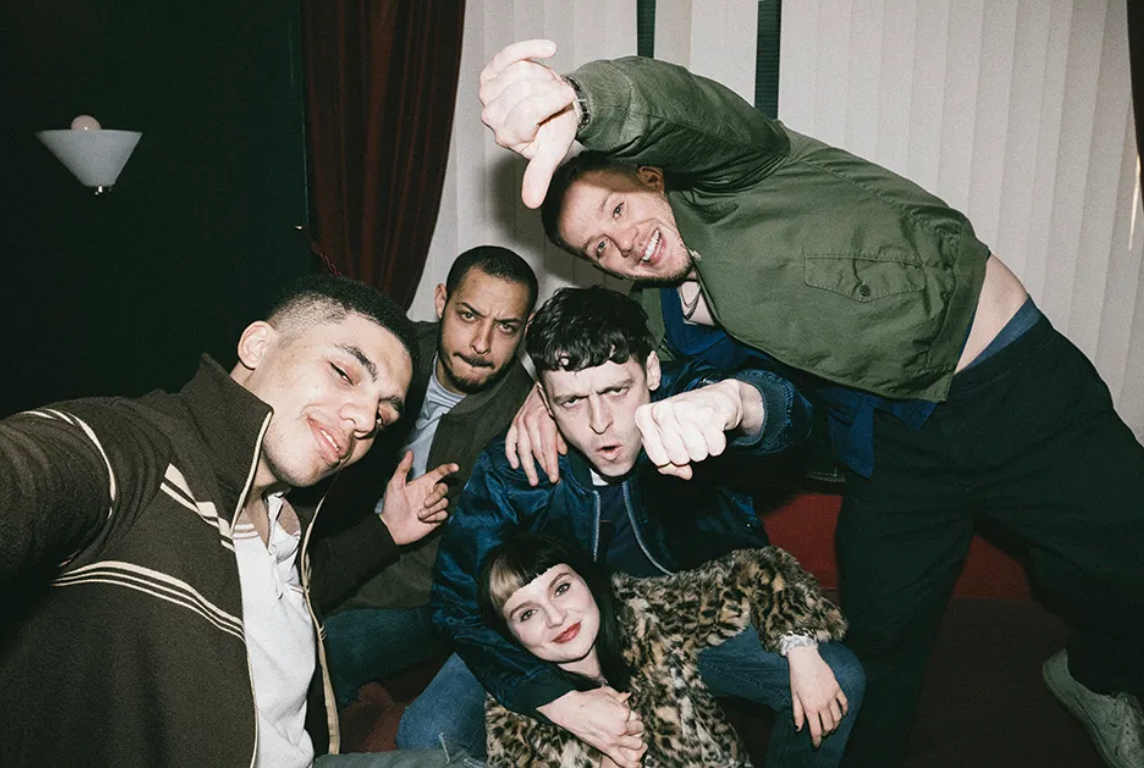
The only British fiction film at this year’s Cannes, Clio Barnard’s I See Buildings Fall Like Lightning is a heart-wrenching ensemble drama about five childhood friends from a Birmingham council estate. Just as her feted debut The Arbor did with Bradford, so here she captures working-class lives with unflinching honesty and an ear for how friendship sounds when nothing is going right. The performances are uniformly special: Jay Lycurgo, especially, as a wayward drug dealer with a big smile and a determination to fix himself. Adapted by Enda Walsh from Keiran Goddard’s novel, it is a sharp distillation of tainted euphoria and battered dreams, with a score that pulses to the rhythms of The Streets. In lesser hands, the film may have strayed into lachrymose territory; any tears you shed here, though, are thoroughly earned. PS
La Bola Negra
★★★★☆
 open image in gallery
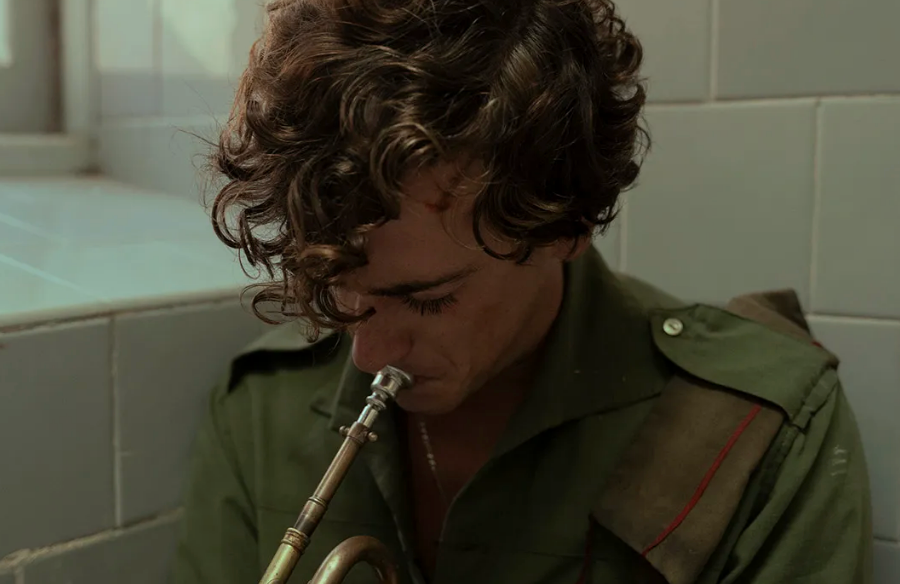
After news of La Bola Negra’s 20-minute standing ovation – this year’s record by at least eight minutes – a fierce bidding war broke out for the sweeping Spanish epic from directing duo Javier Calvo and Javier Ambrossi, collectively known as Los Javis. Netflix won, seeing dollar-sign potential in the weepie that had sniffling viewers around me cracking into their packs of tissues. The hype is understandable: La Bola Negra (translated as The Black Ball) is a confident feature that explores the hardships of three gay men across three different points of time from the last 80 years. The film is based on an unfinished work by poet Federico García Lorca, who was assassinated at the start of the Spanish Civil War. Whether this was because of his sexuality remains unknown, but La Bola Negra’s existence is steeped in tragedy, and it pours out of every shot. Its commitment to non-linear storytelling – the film jumps back and forth in time with thrilling fluidity – provides what could have been an otherwise musty melodrama with serious edge. Of all the films on this list, I can see this one generating serious Oscar buzz. JS
Tangles
★★★★☆
 open image in gallery
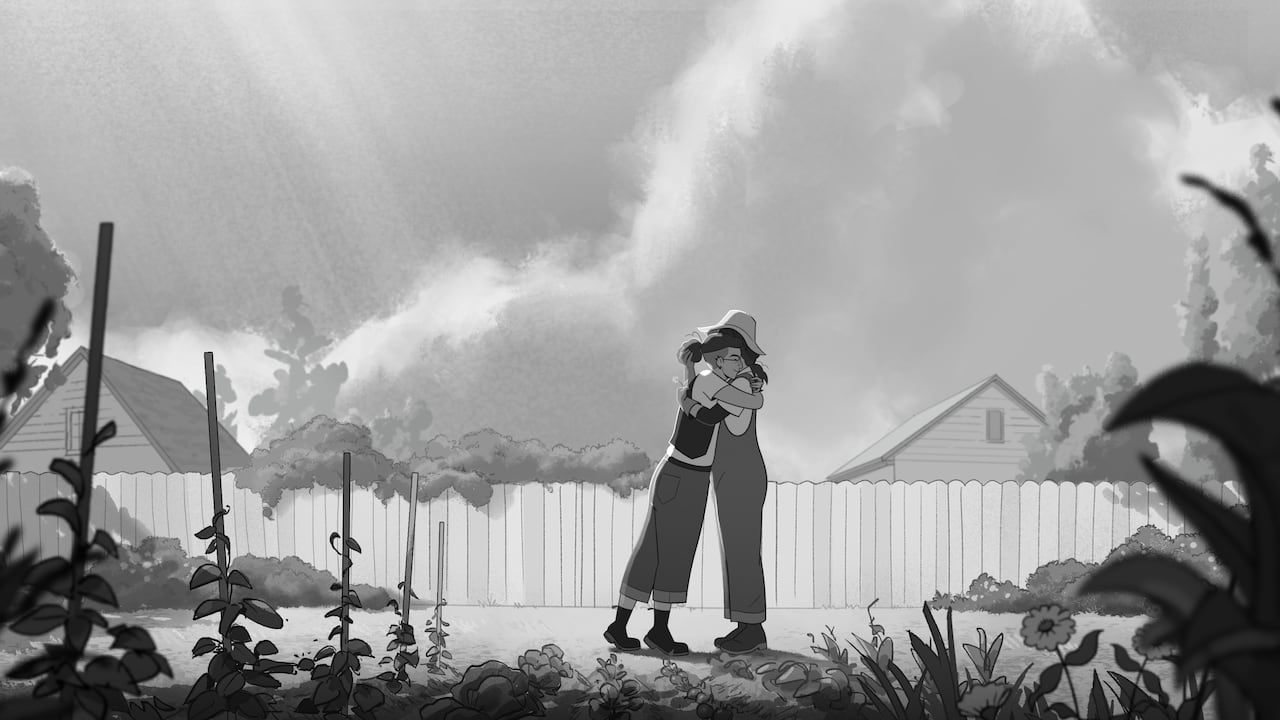
Animation more than held its own against live-action films at this year’s Cannes, thanks to a surfeit of gems, including Kohei Kadowaki’s We Are Aliens and Louis Clichy’s Iron Boy. But Tangles won the prize for me as the best on offer – a devastating adaptation of Sarah Leavitt’s graphic novel of the same name that deserves to be a megahit. The film follows a young woman who returns home to her conservative hometown upon her mother’s Alzheimer’s disease diagnosis. What ensues is heartbreaking, predictably, but Leah Nelson’s on-screen translation of Leavitt’s work (produced by Seth Rogen and Evan Goldberg) remains gratifying thanks to the sheer creativity on display. The 2D animation offers a commendable interpretation of a topic explored so often before, and it finds time for laughs too, with the voice cast (Abi Jacobsen, Bryan Cranston, Samira Wiley) all adding to the vibrancy around them. Pixar hasn’t been this creative in years. Tangles is an essential, cathartic experience. JS
Teenage Sex and Death at Camp Miasma
★★★★★
 open image in gallery
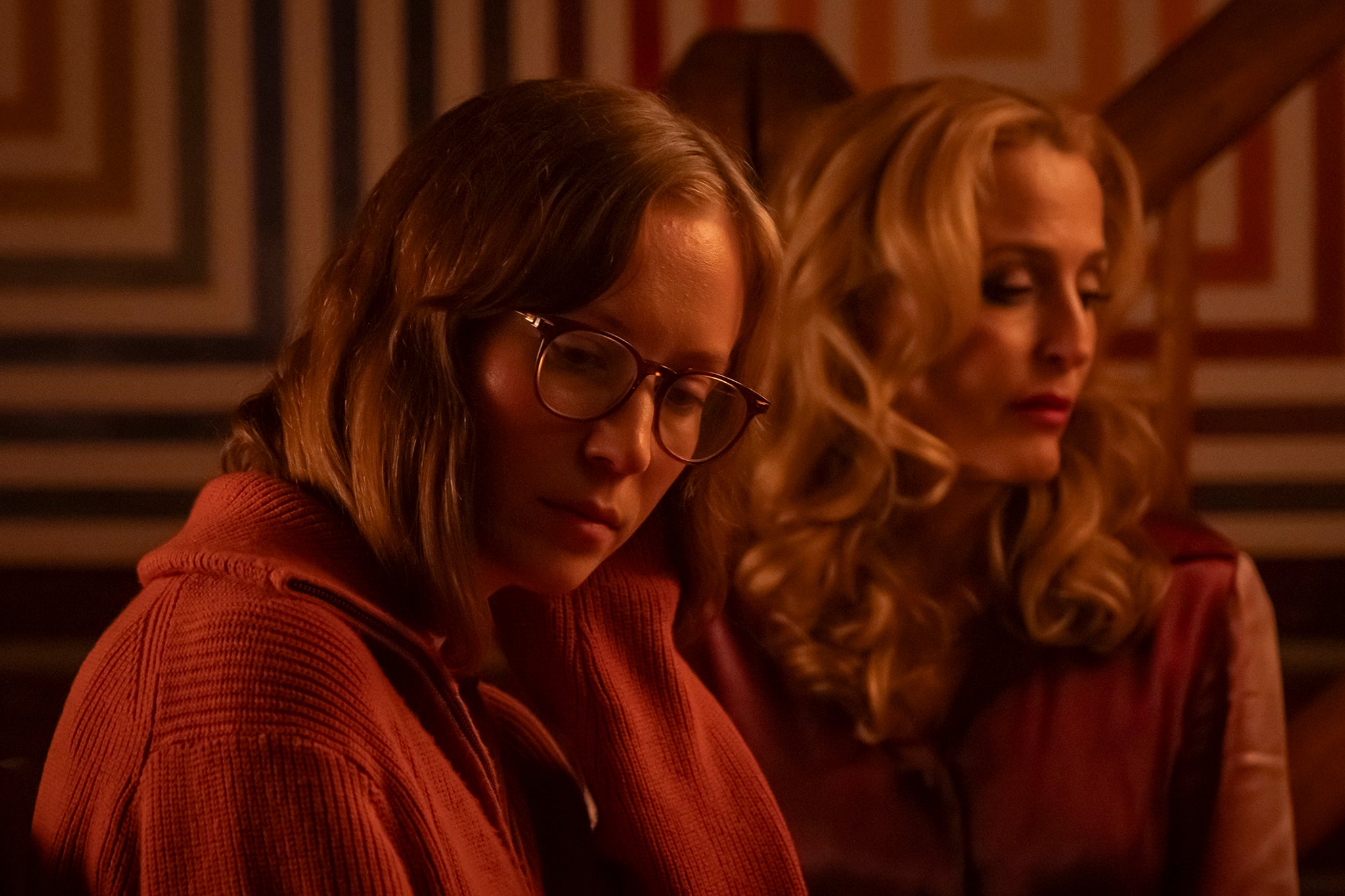
Perhaps the most joyous slasher film you’ll ever see. Jane Schoenbrun – whose previous films We’re All Going to the World’s Fair (2021) and I Saw the TV Glow (2024) were well received – returns with their finest work yet: a psychosexually charged meta-horror and loving pastiche of Eighties slasher cinema, in which a queer filmmaker (Hacks’ Hannah Einbinder) hired to reboot a defunct franchise tracks down its original star – Gillian Anderson, soignée and strange, wielding a Southern drawl like a weapon – with consequences neither can anticipate. Where I Saw the TV Glow was introspective and cerebral, this is warmer, wilder and funnier. Einbinder is Kris, whose obsession with the Camp Miasma franchise runs deeper than cinephilia; Anderson is Billy, its reclusive final girl, who explains that the core of it was always “flesh and fluids.” As their dynamic shifts from professional to infatuated, Camp Miasma becomes something richer: a story of desire finding itself in the dark. On paper, it might sound a little pleased with itself. Kudos, then, to Schoenbrun for crafting a clever, rapturous film for which you never stop rooting. Surrender to it. That’s the only way. PS