


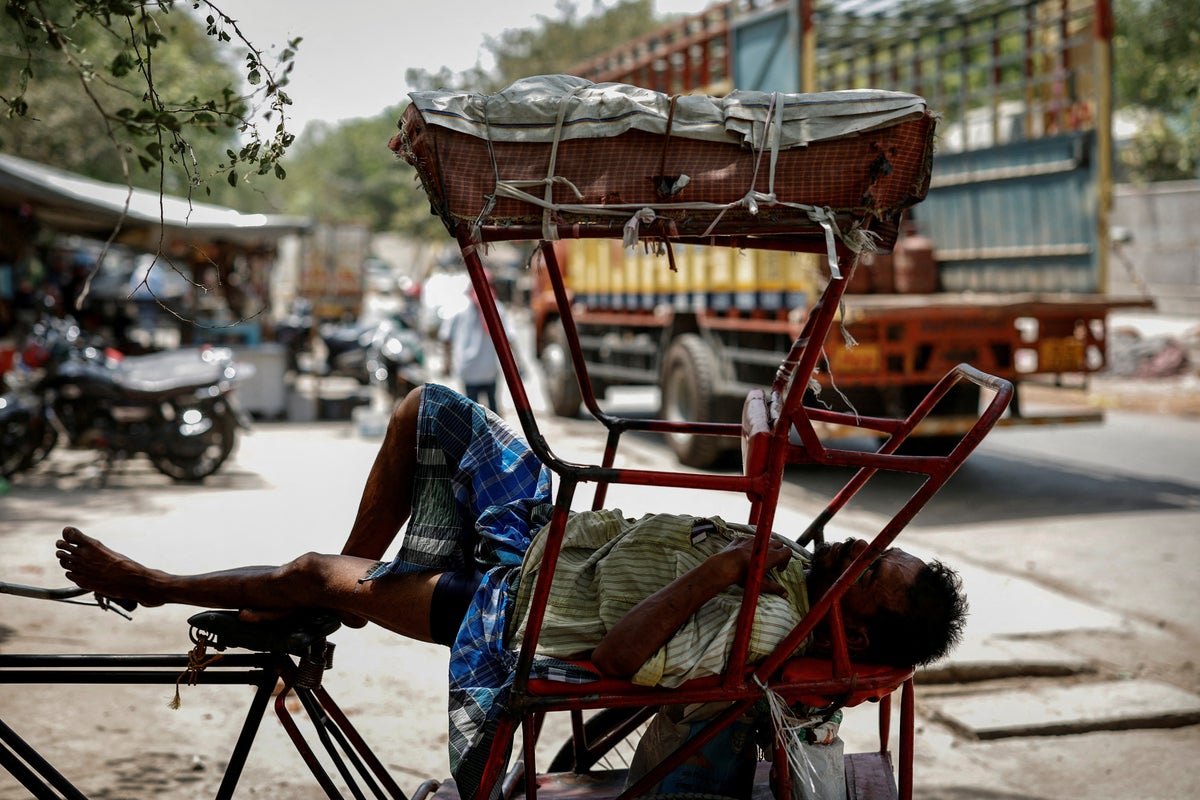
Delhi recorded its warmest May night in almost 14 years this week, with the minimum temperature reaching 32.4C – 5.7 degrees above normal – meaning there was no respite for millions of people sweltering across northern India.
Daytimes highs have repeatedly crossed 45C across the country in the past two weeks, with Banda in Uttar Pradesh recording a maximum of 48.2C last Tuesday. At least 16 people have died from heatstroke in the southern state of Telangana alone so far this summer.
India’s summers have always been brutal, but experts say the health impacts are getting worse because night-time temperatures are reaching new records.
“The nighttime temperatures are sometimes even more important than daytime temperatures, because the body not being able to lose heat, which means the metabolism remains high, the body temperature remains high – it is like constantly running a long distance race through 24 hours,” Dr Sumit Ray, medical director at Holy Family Hospital in Delhi, tells The Independent.
The India Meteorological Department has issued active heatwave warnings across Delhi, Rajasthan, Punjab, Haryana, Uttar Pradesh, Madhya Pradesh, Vidarbha, Chhattisgarh, Bihar and Telangana, with a yellow alert for Delhi in place until 27 May. Thunderstorms are forecast for the end of the week, finally bringing some relief.
The heat is being driven by north-westerly winds blowing in from the desert regions of Rajasthan and neighbouring Pakistan, meteorologists say.
“In the absence of any weather system over the Indian mainland, hot northwesterly winds from the desert of the adjoining Sindh region of Pakistan and Rajasthan are penetrating deep into the country,” said Mahesh Palawat, vice-president of meteorology and climate change at Skymet Weather.
“The uninterrupted flow of these winds for the last three to four days has been pushing the mercury, resulting in heatwave to severe heatwave conditions. We would only see some respite with the arrival of a western disturbance, which would then alter the wind pattern.”
 open image in gallery
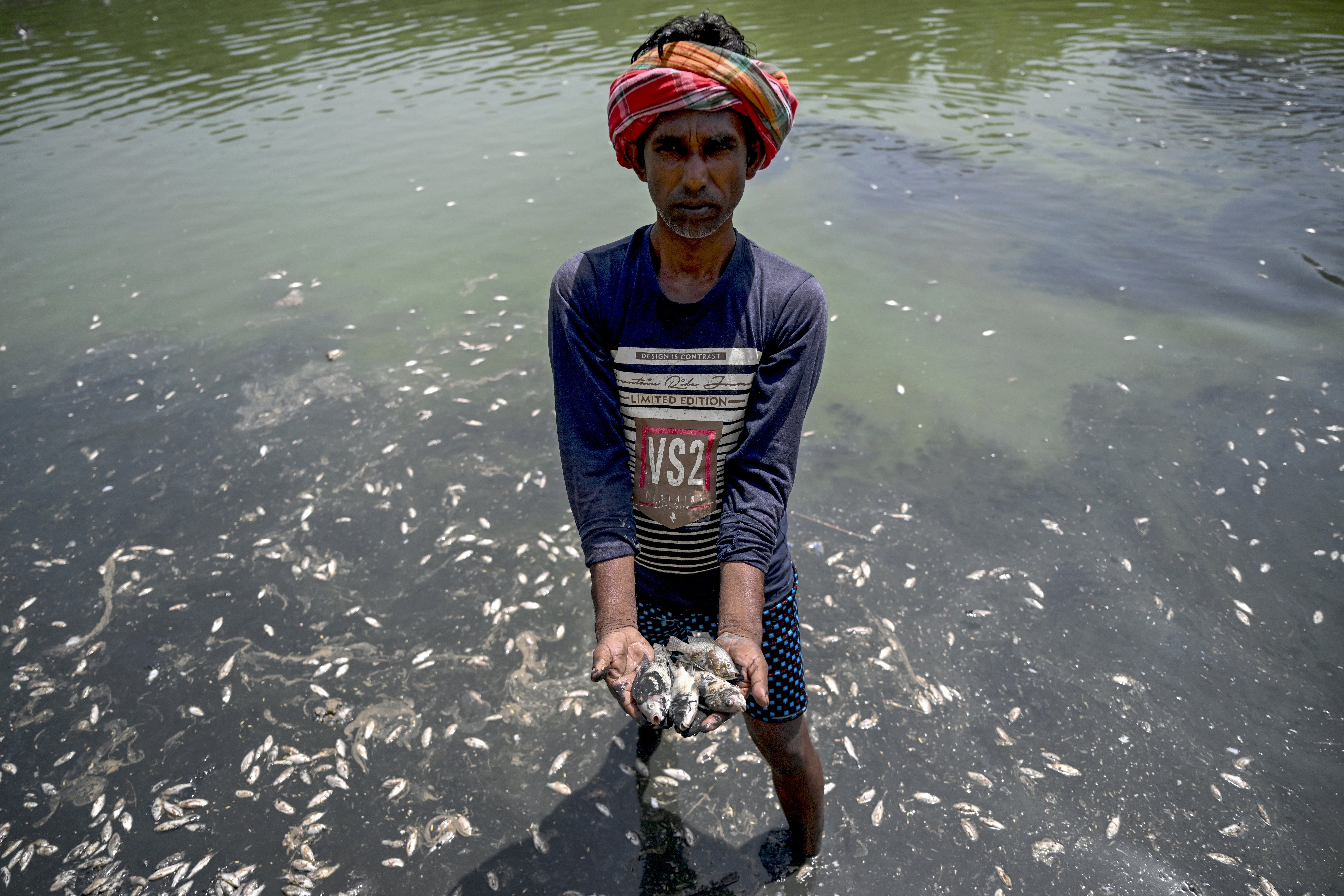
In Telangana, Ponguleti Srinivasa Reddy, the state’s revenue minister, warned that “the intensity of the heat has reached unprecedented levels” and urged local officials to alert the public about heatwave precautions. Authorities have advised elderly people, children and pregnant women to stay indoors during the day.
A warming global climate has been inching up India’s heatwave frequency for years. IMD figures show heatwave frequency across India’s core heatwave zone has increased by 0.1 days per decade since 1961, and the total duration of heatwaves has grown by 0.44 days per decade. India’s average nighttime temperatures are rising at roughly 0.21 degrees Celsius per decade, and 35 of 36 Indian states and union territories are experiencing rising nighttime temperatures, according to data from the Council on Energy, Environment and Water.
 open image in gallery
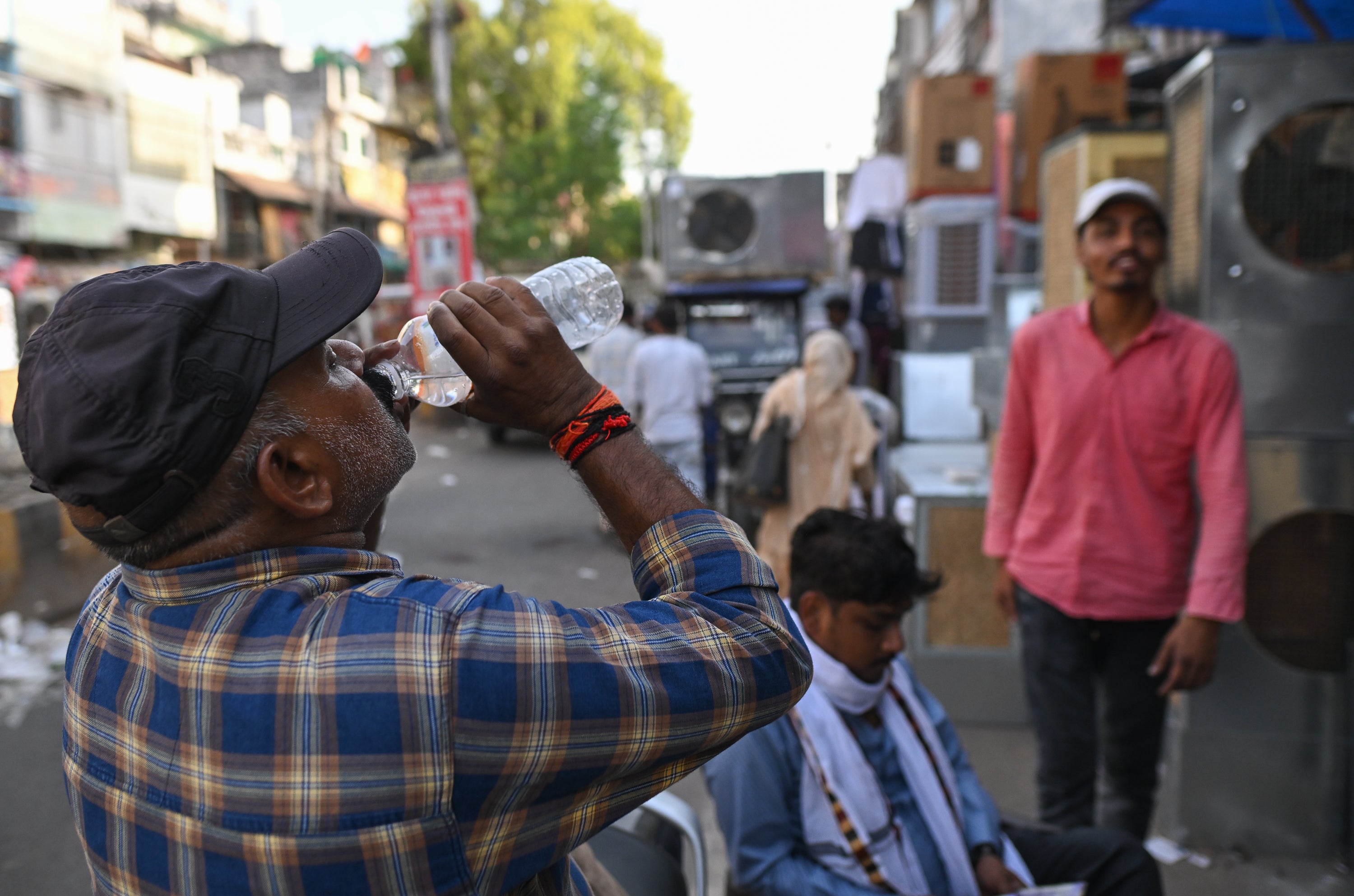
Nearly 70 per cent of Indian districts experienced an additional five very warm nights per summer over the last decade. A 2024 study also showed that the climate crisis is driving a dramatic rise in night-time temperatures across India, adding between 50 and 80 nights each year where temperatures exceed 25C, which is impacting sleep and putting people’s health at risk.
The consequences of these changes can be seen on Delhi’s emergency wards. Dr Ray said his hospital was already receiving more patients with heat exhaustion and heat-related gastroenteritis, concentrated among those living in poorly ventilated homes without air conditioning. He also raised concern about damage that accumulates silently over years.
“Constant dehydration, and the release of toxins which happens when the muscles get lysed in the heat, can lead to chronic kidney disease,” he said. “This used to be called CKD unknown, but seems to be correlated to heat.”
Those who cannot access clean water also face an added layer of risk, he warned. “Not having access to clean drinking water leads to intestinal infections which cause diarrhoea, which can cause even more dehydration added to the heat.”
 open image in gallery
Northern India traditionally experiences hot, dry summers in May and June, with humidity rising steadily over July and August before the arrival of brief monsoon rains.
But conditions across the country are getting more humid, compounding the danger to health. India’s average relative humidity rose from 67.1 per cent between 2015 and 2019 to 71.2 per cent between 2020 and 2024. High humidity prevents the body from cooling through sweat evaporation, meaning the health risk can be severe even when air temperatures alone are not record-breaking.
Delhi recorded a humidity increase of 8 percentage points between those two periods, the sharpest rise of any state. The number of compound hot-humid days in India rose from 14,086 between 2015 and 2019 to 16,970 between 2020 and 2024.
“High daytime air temperatures combined with warm nights reduced physiological recovery and increased cumulative heat stress,” said Neven Fučkar of the University of Oxford. “These challenging conditions disproportionately affected vulnerable populations, including outdoor workers, urban poor, elderly, children, and those lacking access to cooled spaces.”
 open image in gallery
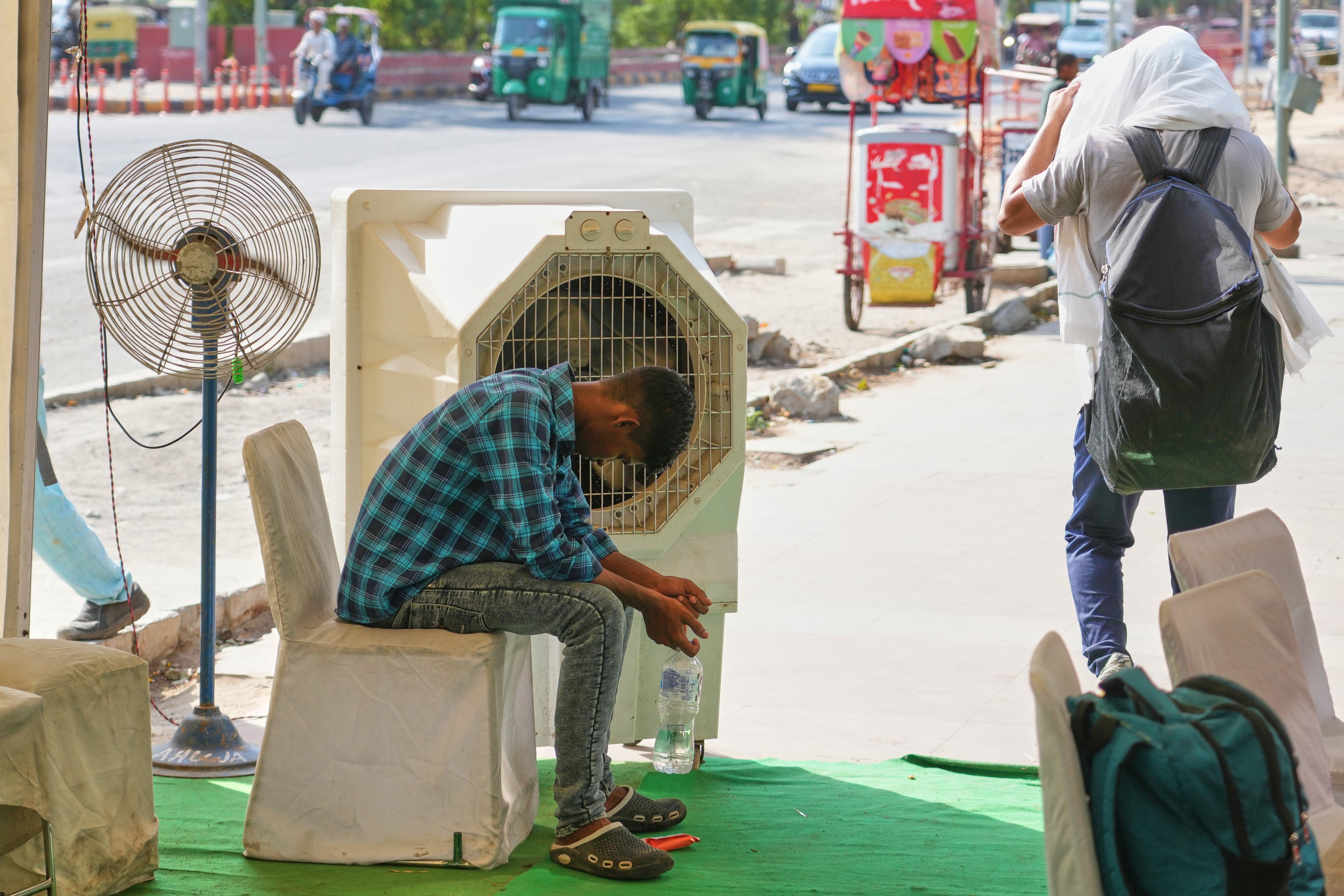
Doctors are also raised concern about the timing of official advisories telling workers to stay indoors. Current guidelines say outdoor work should stop between noon and 4pm, which is typically the hottest period of the day. Bu recent trends show evenings are not cooling down.
“Four to five is probably the hottest part of the day,” Dr Ray said. “The advisory should probably be a little later.”
Even during mandated breaks, he added, workers have nowhere cool to go.
“They don’t have the wherewithal to stay in a really cool place, because they are staying in places which are hot, there is no cooling mechanism in their households.”
Rickshaw drivers and delivery workers face the worst exposure. Over half of India’s population works outdoors. A report by the NGO Sustainable Futures Collaborative has warned that while cities are taking short-term emergency actions like distributing water and adjusting work hours, long-term heat resilience strategies remain weak or absent. These include occupational cooling, insurance for lost wages, heat mapping of urban hot spots and improving electricity reliability.
 open image in gallery
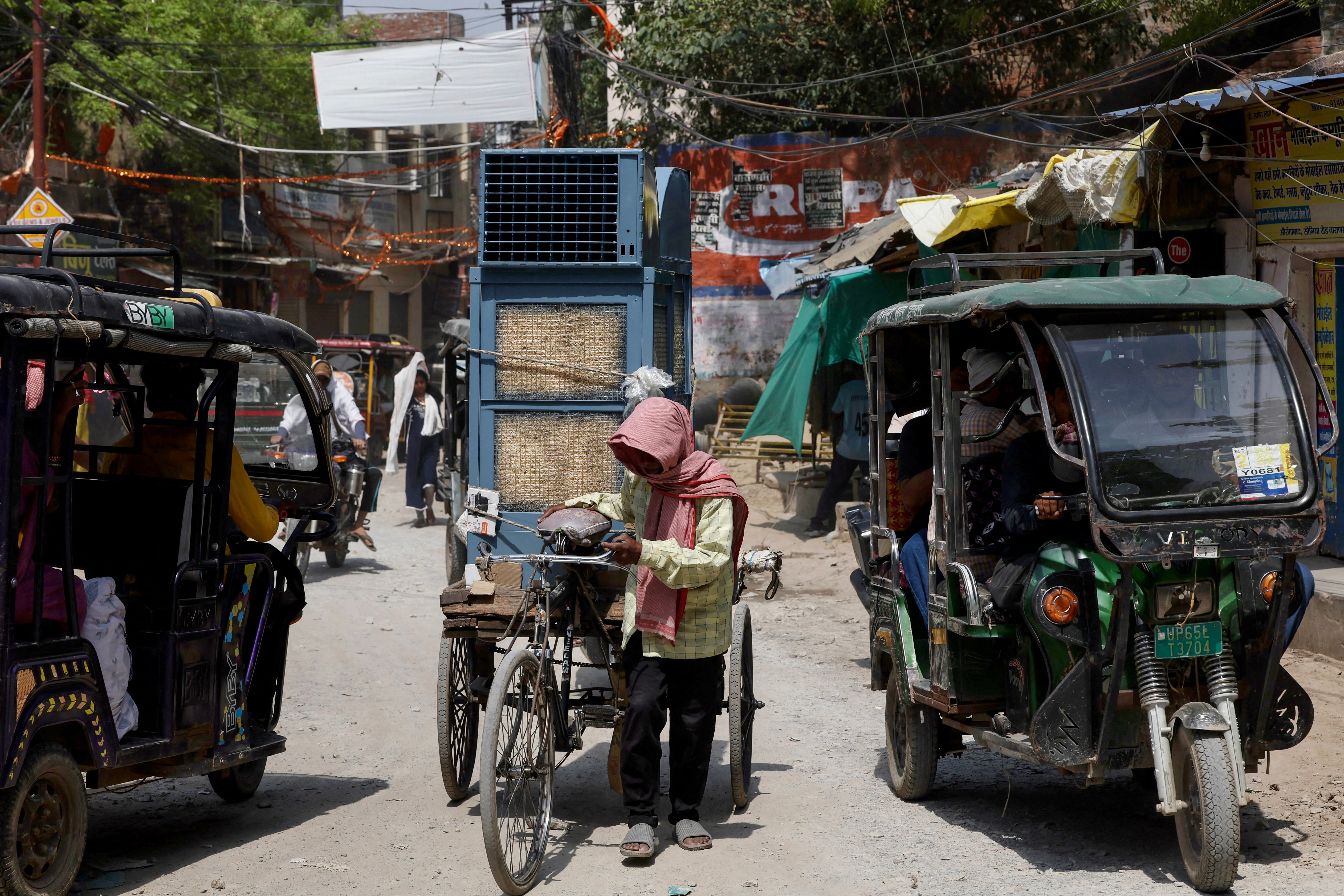
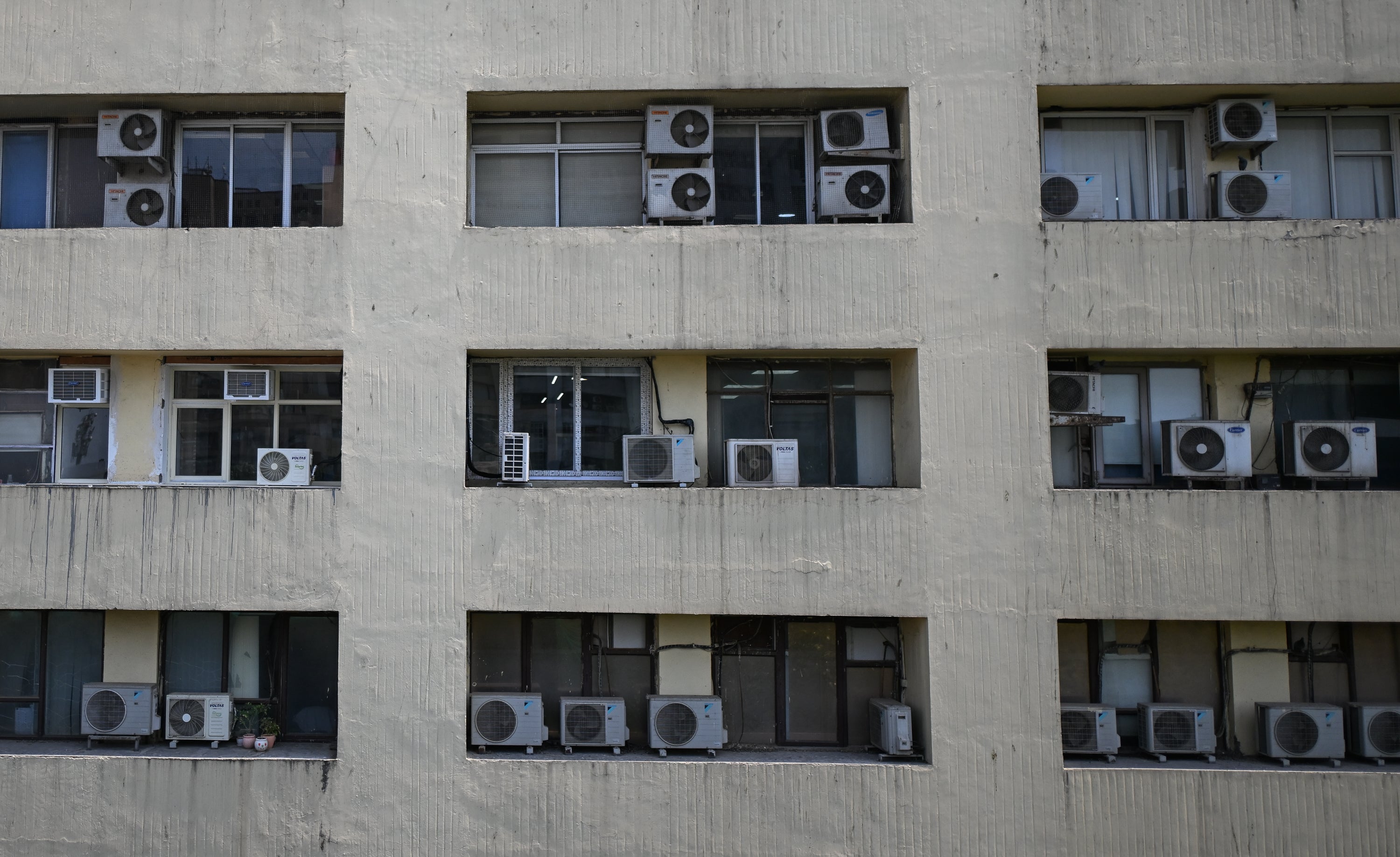
The surge in heat is also driving record electricity demand as those who can afford cooling turn to air conditioners in growing numbers. Electricity demand has hit an all-time high in excess of 270 gigawatts, prompting a government call for consumers to limit use.
Parts of India are experiencing power cuts, with nighttime outages running from 40 minutes to an hour in Chennai, one of the country’s major manufacturing and technology hubs. Yet the vast majority of Indians have no access to mechanical cooling at all, leaving hundreds of millions with no means of escape from the heat, day or night.
“We were at the limits of demand, and if solar was not available on the recent peak day, we would have been sunk,” said Dr Ajay Mathur, professor at the School of Public Policy at the Indian Institute of Technology Delhi. Mr Mathur called for institutional action to match the scale of the crisis.
India is the world’s third-largest emitter of greenhouse gases and has committed to reaching net-zero emissions by 2070, two decades later than most Western nations. The highest temperature ever officially recorded in the country was 51 degrees Celsius in Phalodi, Rajasthan, in 2016.
Simon Stiell, executive secretary to the UNFCCC, addressed the India Heat Summit 2026 this month with a direct assessment. “Heat is India’s burning issue. Searing temperatures are scorching cities, forcing workers to lay down tools and putting many people, particularly the old, the young and the sick, in deadly peril,” he said.
“You are experiencing in real time the consequences of rising emissions, of global climate action not having been fair enough or fast enough. Killer heat is not just a lived reality, it is a live economic risk.”