


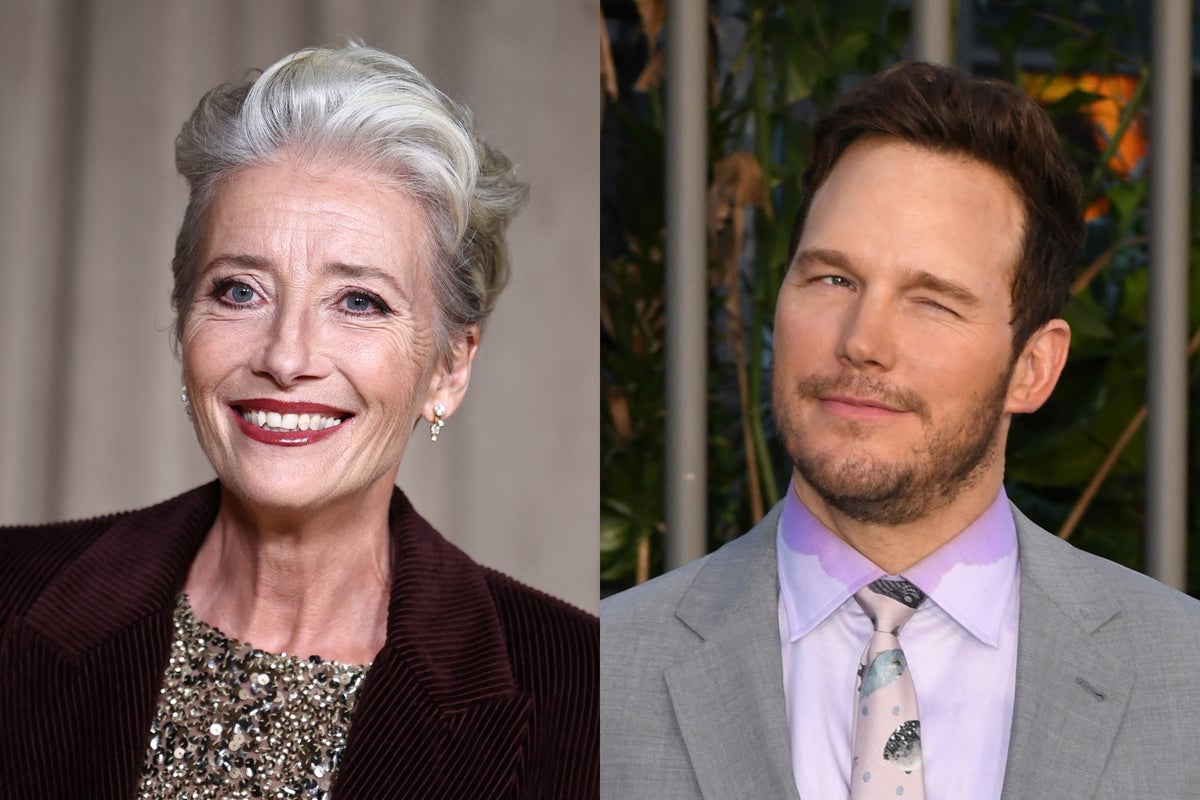
Emma Thompson has called out filmmakers following a damning study on the industry’s portrayal of women over the age of 60.
A campaign by The Age Without Limits has found that just five of the 100 highest-grossing films of the past three years have starred a woman older than 60.
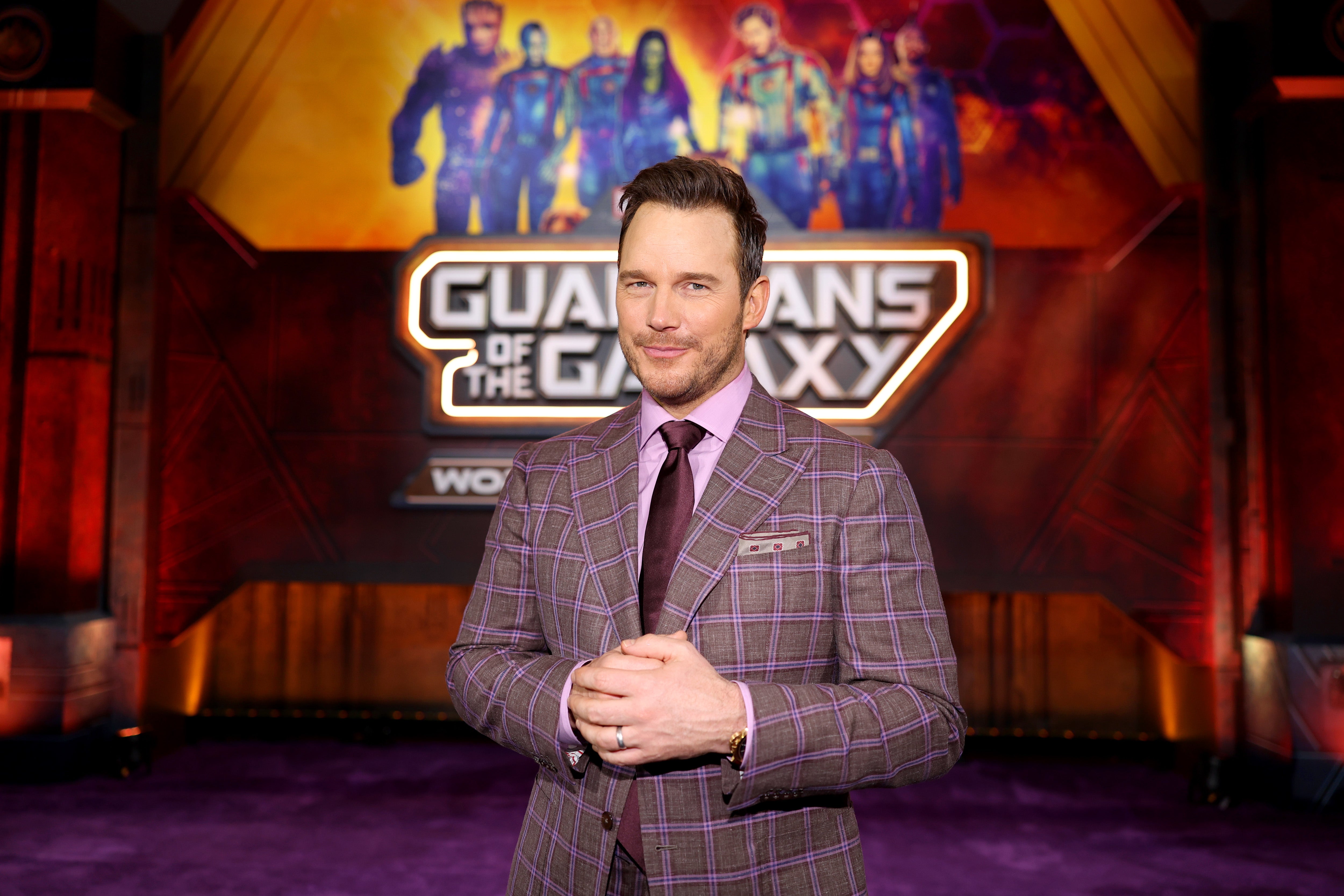
In comparison, there were five led by an actor named Chris: Chris Pratt in Guardians of the Galaxy Volume 3 (2023), The Super Mario Bros Movie (2026) and The Garfield Movie (2024); Chris Pine in Dungeons & Dragons: Honour Among Thieves (2023) and Chris Hemsworth in Transformers One (2024).
Films were also four times more likely to feature a talking animal as its lead than an older woman.
The female-led films that did feature in the research were Allelujah (Jennifer Saunders), My Big Fat Greek Wedding 3 (Nia Vardalos), Book Club: The Next Chapter (Diane Keaton), The Substance (Demi Moore), and Freakier Friday (Jamie Lee Curtis).
Responding to the findings, Thompson, 67, called on directors to be more representative of audiences.
“Women are half the population and we get older,” said the actor. “So where are the stories about us? The older we get, the more interesting we are.”
She continued: “I want to see more films centre ageing women. We are compelling, relatable and overdue for centre stage. Older women don’t need permission to exist on screen. They already exist in the world – cinema just needs to catch up.”
 open image in gallery
Watch Apple TV+ free for 7 day
New subscribers only. £9.99/mo. after free trial. Plan auto-renews until cancelled.
ADVERTISEMENT. If you sign up to this service we will earn commission. This revenue helps to fund journalism across The Independent.
Watch Apple TV+ free for 7 day
New subscribers only. £9.99/mo. after free trial. Plan auto-renews until cancelled.
ADVERTISEMENT. If you sign up to this service we will earn commission. This revenue helps to fund journalism across The Independent.
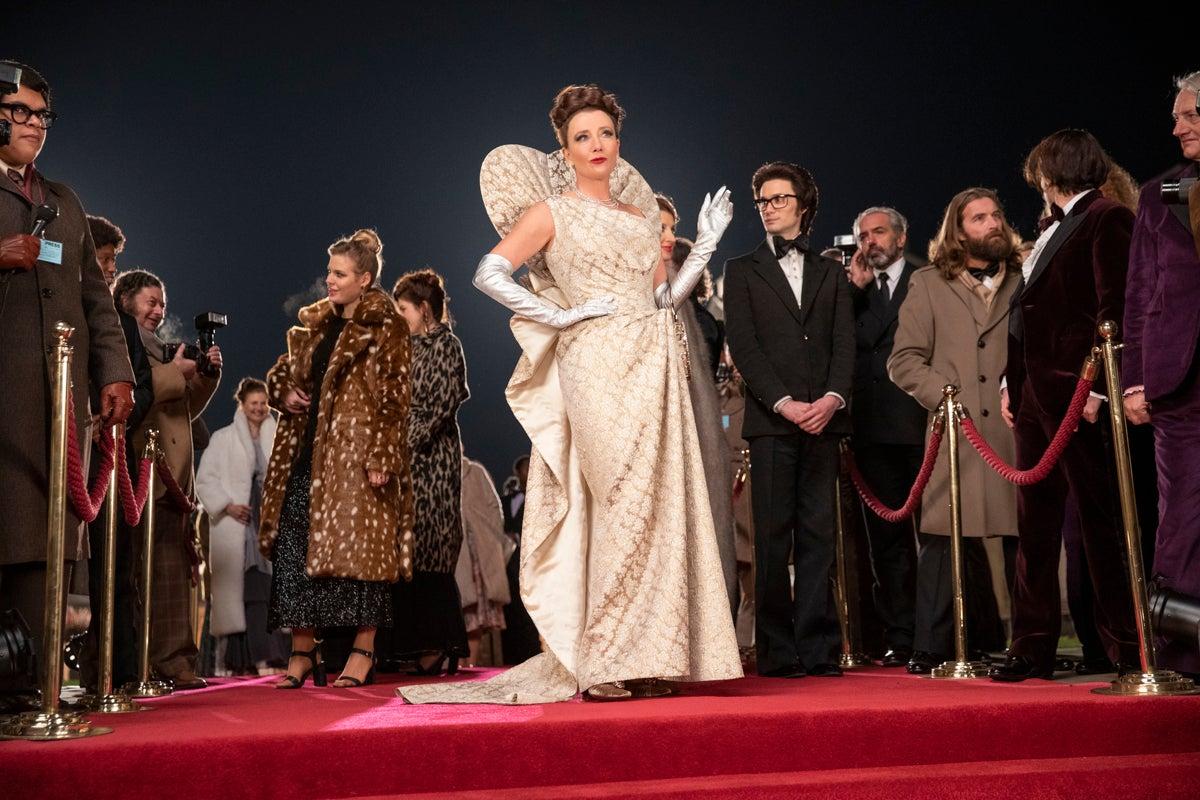
The Oscar-winner has starred in several successful films since she turned 60, including Cruella (2021), Bridget Jones: Mad About the Boy (2025) and Matilda the Musical (2022).
In a statement following the findings of their research, The Centre for Ageing Better’s chief executive, Dr Carol Easton OBE, said: “It is absolutely ludicrous to think so few films have been made in recent years that have an older woman at the front and centre.”
She added: “Up to one in five UK cinema attendees are aged 55 and above, this age group spends hundreds of millions of pounds every year on cinema. The representation of older actors in major film roles is so disproportionate to the proportion of older women in the cinema-going audience, the lack of representation is insulting, frankly.
 open image in gallery
“Sadly, it is not just in cinema where this happens. In many forms of media, in many different employment sectors and parts of public life, the input of older women is minimised, marginalised and ignored. We must all push back against ageism, and its intersection with sexism, by telling the cultural gatekeepers that we want all aspects and stages of life represented in the things we watch, listen to and read.”
In 2023, the charity found that only one in three speaking characters in films were aged 50 and over despite the age group accounting for almost half of British adults. The study was based on a sample of nearly 50 popular films from the previous 12 years.
On the rare occasion that older women were portrayed on screen, academics at the University of West London School of Film, Media, and Design, who conducted the research, found that they were more commonly depicted as passive and pitiable, ridiculed for not acting their age and often irrelevant to the plot.
The problem goes far and beyond the film industry. In February last year, MPs said that ageism is “widespread and culturally embedded” in the UK with discrimination laws currently “failing” older people.
The Women and Equalities Committee concluded that the UK has a “pervasively ageist culture” which is seen as less serious and harmful than other kinds of discrimination.