


Many Brits are currently enjoying a bank holiday heatwave, with temperatures climbing across vast swathes of the country. And while it’s great to get outdoors and soak up the sunshine, it’s equally crucial to remember that our wildlife needs care too.
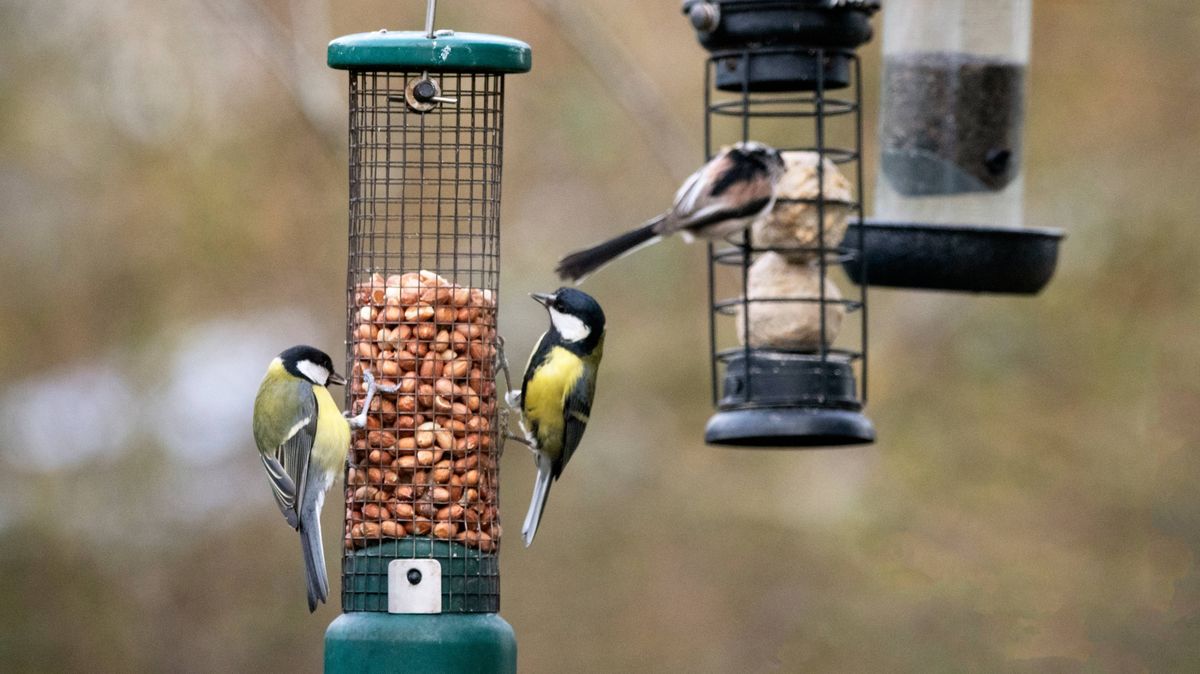
If you’ve got a bird feeder in your garden, it might end up triggering fatal diseases for creatures during the warmer period. Outdoor living specialists at TDP warn that clean bird feeders are essential, as the danger of disease transmission increases when temperatures rise. The parasitic condition trichomonosis can be deadly for numerous bird populations, and is mainly transmitted through saliva and contaminated food and water supplies.
Throughout the summer period, bird feeders transform into breeding grounds for disease as greater numbers of birds gather, while higher temperatures enable the parasite to live longer without a host.
 View 3 Images
Bird feeders can become a breeding ground for bacteria during summer(Image: Getty)
The RSPB recommends that households clean their bird feeders at least once a week using hot soapy water, removing any stale food or droppings from surrounding the feeders and cleaning surfaces with non-toxic or gentle solutions.
Households are also urged to stop positioning feeders underneath spots where birds perch – such as trees – to stop contamination spreading via droppings.
Specialists from TDP also highlight that the material of a feeder can have an impact on how clean it stays, with wooden feeders particularly being vulnerable to bacteria.
Wooden feeders are more porous and bacteria can hide within their cracks and crevices, making them more difficult to clean and disinfect, while also drawing in unwanted pests.
 View 3 Images
Recycled plastic bird feeders are best(Image: Getty)
Standard plastic feeders are easier to wipe down but can break down under UV exposure. For the ideal combination, outdoor experts suggest recycled plastic feeders, which offer smooth, easy-clean surfaces alongside better weatherproofing and durability.
Kym Barlow from TDP said: “Trichomonosis is a serious threat to garden bird populations, and contaminated feeders are one of the primary ways it spreads. But it’s easy to underestimate how quickly they can become a health hazard.
“A few minutes of cleaning each week can make a real difference to the birds visiting your garden, and it really helps protect local wildlife.
Article continues below
“If you have a standard wooden or plastic feeder, take a close look for any wear and damage. You might not realise until you’re up close that there are small cracks and crevices which could be harbouring harmful bacteria.”