


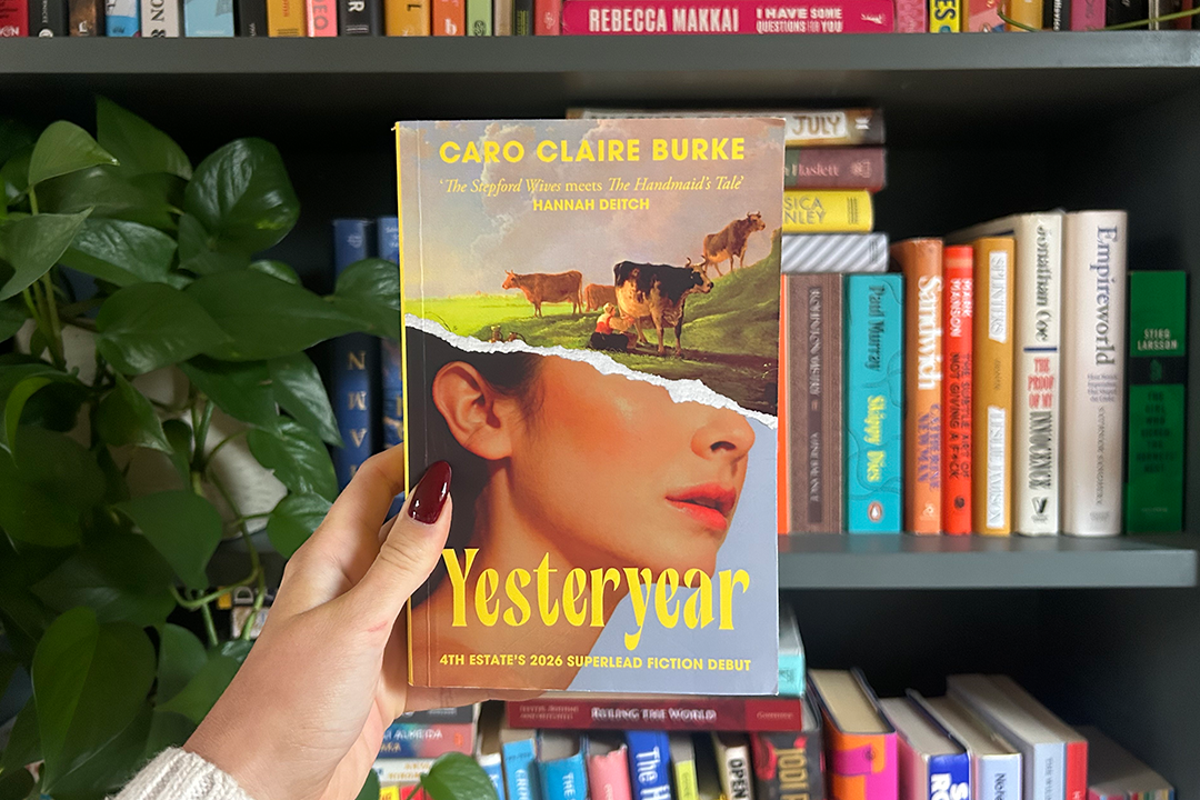
Caro Claire Burke’s Yesteryear is one of the most unsettling yet original novels to emerge from the recent wave of “tradwife” discourse. The story follows Natalie, a wildly successful influencer who romanticises domesticity and pioneer living online, only to wake up seemingly transported to the year 1800 and forced to survive the harsh realities of the lifestyle she once glamorised. What begins as a clever satire gradually transforms into something far darker: a critique of social media performatism, motherhood, internet fame and child exploitation.
The book’s greatest strength is its ability to unmask the curated fantasy behind influencer culture. Burke exposes the machinery hidden behind Natalie’s supposedly wholesome lifestyle – the nannies, production, pesticides and carefully staged imagery – while also exploring how social media encourages people to perform idealised versions of themselves. The novel draws clear parallels with real-life controversies surrounding family vloggers and tradwife influencers, particularly in its disturbing depiction of children being used as content – the likes of Hannah Neeleman, Ruby Franke and Tara Westover were all mentioned by the team.
We were in consensus about Natalie herself being a fascinatingly unlikeable narrator. Self-absorbed, manipulative and emotionally detached, she remains compelling precisely because she is so difficult to sympathise with. The only times the reader can really empathise with Natalie is her sweet bond with Maeve, or when she’s suffering from postpartum depression, but this heavy topic is largely skimmed over.
The shocking final twist contextualises much of the novel and elevates it from an intriguing speculative premise into a chilling psychological and cultural commentary. Albeit, some plot details felt a little underdeveloped. We wanted to know why Natalie’s oldest sons agreed to live in the forest and allow Natalie to unravel, as well as what happened to her political, Maga-inspired father-in-law. The manosphere looms in the background of the novel – and Caleb later becomes its embodiment – but the author never thoroughly explores the topic.
Despite occasional pacing issues and unanswered questions, Yesteryear succeeds as both an addictive page-turner and a sharp examination of online identity, conservative femininity and the dangers of turning family life into spectacle. The debut was a crowd-pleasing IndyBest Book Club pick, with both romantasy fans and literary fiction readers engrossed by the stranger-than-fiction – but thoroughly relevant – story.
Prices may vary