


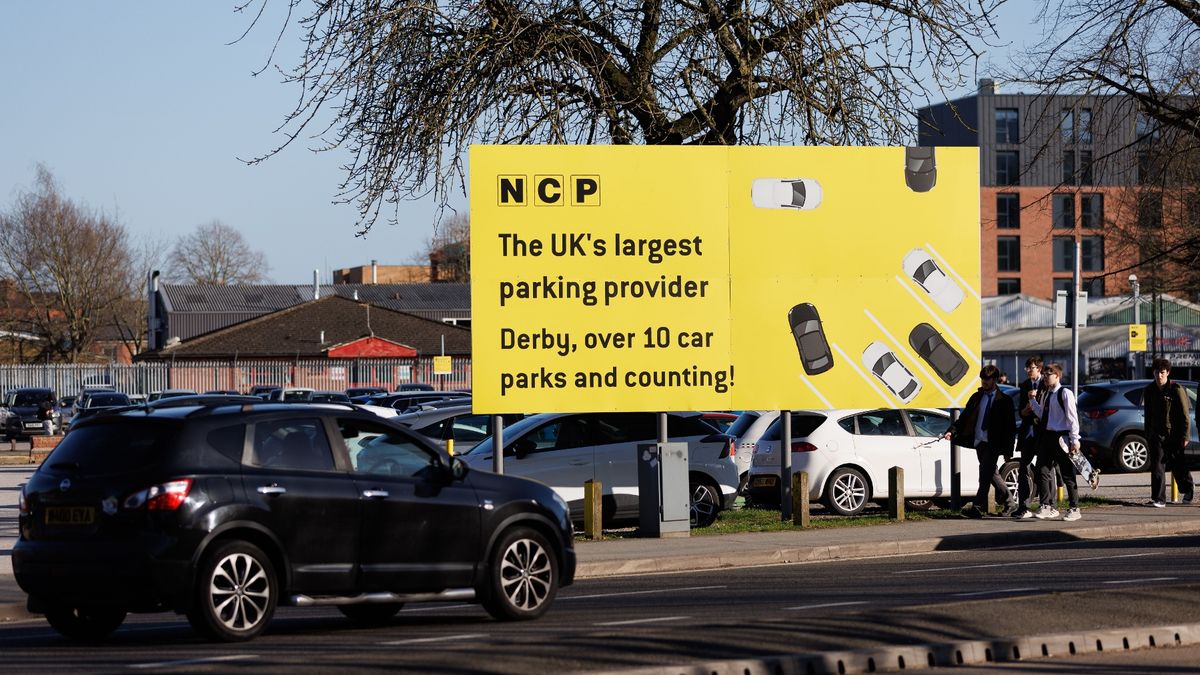
Administrators for car park operator NCP are chasing drivers for unpaid parking fines even after it collapsed earlier this year.
NCP fell into administration in March, putting almost 700 jobs at risk. At the time, the company had around 340 car parks nationwide.
The Times reports that during its first month of administration, teams had collected £402,000 in unpaid parking fines. NCP had a backlog of nearly 100,000 unpaid parking charge notices when it collapsed.
This includes around 15,000 that were waiting to be heard in the courts and a further 80,000 that had been parked by debt collectors. NCP can still enforce and issue new parking fines despite the company falling into administration.
It has also been reported that NCP has closed 29 of its car parks since its collapse. Its remaining car parks are operating as normal and administrators at PwC are said to be trying to find a new owner.
NCP does not own most of the car parks it runs – instead, it leases the majority of them from freeholders. NCP said its finances were hit by a post-Covid dip in demand for parking, which it largely blamed on less people commuting following a rise in hybrid working.
It said city-centre and commuter locations had been particularly badly hit. The company also said it struggled with costs linked to long-term and inflexible leases on loss-making sites.
NCP was founded in London in 1931 and is owned by Japanese firm Park24. Prices differ at each site but some central London locations can cost up to £60 for 24 hours parking.
Zelf Hussain, joint administrator and partner for PwC, said at the time of the administration: “NCP has faced a challenging trading environment over several years, with changing consumer behaviours impacting volumes, and a high fixed cost-base leading to trading losses.
“Our priority on appointment is to ensure continuity of service while we undertake a detailed review of the business.”
He continued: “We will be engaging with landlords, employees and other stakeholders as we explore all options, including the potential sale of all or part of the business, to secure the best possible outcome for creditors.”
Article continues below
- Bradford Southgate
- Chester Browns Yard
- Kidderminster Swan Centre
- Nottingham Huntingdon Street
- Southampton Portland Terrace
- Belfast Dublin Road
- Coventry Belgrade Plaza
- Leicester St Nicholas Circle
- Sheffield Blonk Street
- Ashford County Square
- Ashton-un-Lyne Cotton Street
- Banbury Marlborough Road
- Bexley Royal Oak Road
- Birmingham Gough Street
- Bournemouth Hinton Road (already closed)
- Bristol Nelson Street
- Bromley Travelodge
- Eastbourne Trinity Place
- Exeter Market Street
- Grantham Station 1-3
- Hinckley Britannia Shopping Centre
- Ipswich Portman Road
- Leicester Abbey Street
- Leicester East Street
- Leicester Lee Circle
- Leicester Rutland Centre
- London King’s Cross St Pancras
- London Knightsbridge
- Luton Regent Street


