


AdvertisementScienceChinaScience
China rare earth breakthrough in icy northeast could cement country’s dominance
A new type of deposit in Heilongjiang and Jilin promises easier, cheaper mining than in southern clay-rich areas, say scientists
3-MIN READ3-MIN Listen
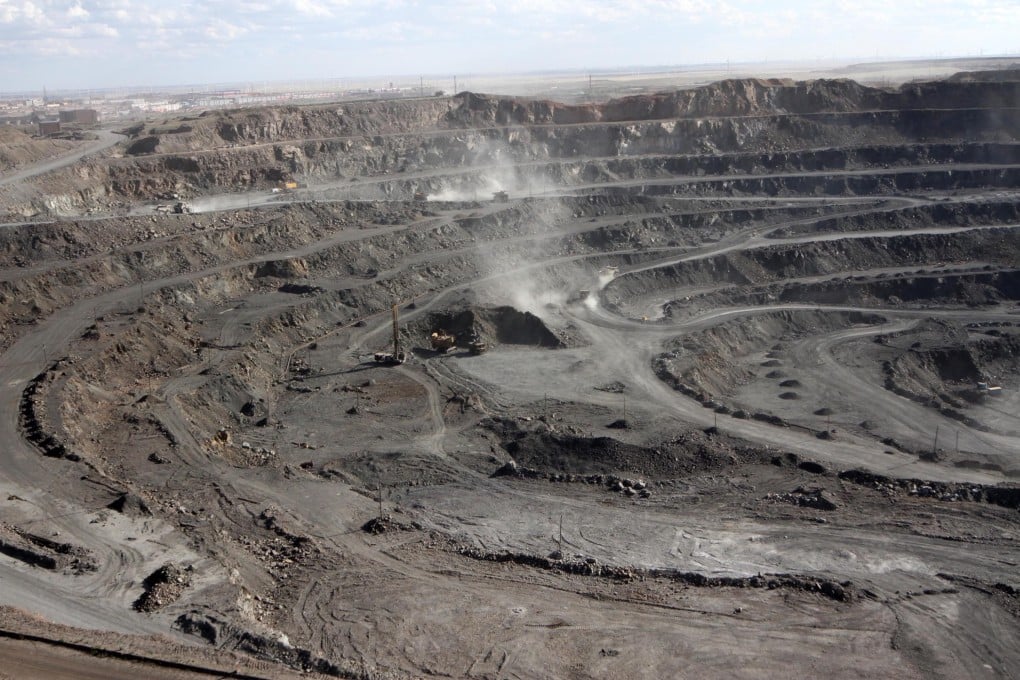
Victoria BelaPublished: 1:00pm, 18 May 2026Chinese scientists have identified a new type of rare earths formation in the nation’s frigid northeastern provinces of Heilongjiang and Jilin – a discovery that could challenge assumptions about how rare earths occur across the country.Unlike the clay-heavy deposits of southern China – which require chemical leaching to release the elements – the northern formations consist of loose sand and gravel formed by natural freeze-thaw cycles. This difference could make extraction more efficient, less costly and better for the environment.The find could help China further secure its global dominance in rare earths production, just as Western countries – including the US – scramble to secure supply chains for the critical elements.Advertisement
The discovery of the new deposits “could potentially rewrite the ‘heavy in the south, light in the north’ pattern of rare earth resources in China”, a team from the Chinese Academy of Sciences’ (CAS) Institute of Geology and Geophysics and the Heilongjiang Bureau of Geology and Mineral Resources said in a paper published in the Chinese journal Acta Petrologica Sinica last month.
Rare earth elements are a group of 17 critical minerals – including cerium, neodymium and dysprosium – that are used to produce electronics, large magnets, superconductors, and green and defence technologies.
AdvertisementAdvertisementSelect VoiceSelect Speed00:0000:001.00x