


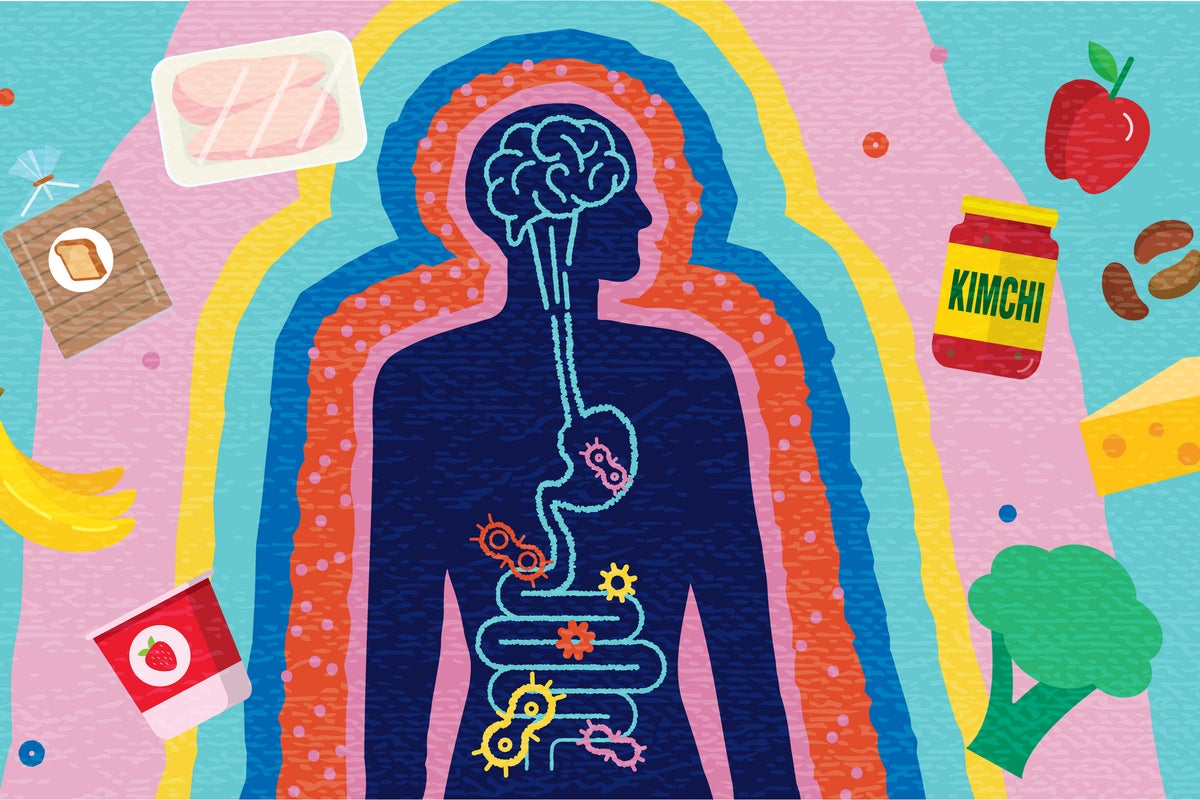
Gut health has become one of wellness’s favourite obsessions. There are probiotic shots, powders, supplements, fermented everything and, for anyone with enough curiosity and disposable income, tests promising an increasingly intimate portrait of the bacteria living inside you.
Yet the most useful advice is considerably less exotic. Eat enough fibre. Vary the plants on your plate. Drink water. Move your body. Get some sleep. Above all, keep doing those things rather than attempting to transform your diet overnight.
That is the thinking behind this year’s Love Your Gut Week, which runs from 14-20 September and focuses on the relationship between the digestive system and wider everyday wellbeing. Central to it is the gut microbiome – the vast community of microorganisms, including bacteria, that live in the digestive tract. No two are exactly alike: diet, lifestyle, sleep, stress, age and environment can all influence their makeup.
For most of us, of course, interest in the gut starts somewhere rather more tangible: bloating, an unhappy stomach or a digestive system that suddenly seems to have developed opinions of its own. But researchers are increasingly interested in how the gut communicates with other parts of the body too, through connections commonly described as gut axes.
“Good health often begins with the gut, with small, repeatable choices that support the microbiome and help your body feel more balanced day to day,” says registered dietitian Jo Travers. “Because the gut communicates with different parts of the body through what are often described as ‘gut axes’ – including the gut-brain, gut-immune, gut-skin, gut-metabolic and gut-hormone – it can play a role in areas such as energy, immunity, mood, skin and hormonal balance.”
Some of those relationships are already familiar, even if we have never given them a scientific name. Butterflies before a job interview, losing your appetite when stressed or finding your digestion goes awry during a particularly frantic week are everyday examples of the two-way communication between gut and brain. The gut also plays an important role in the immune system, while digestion itself affects how the body breaks down food, absorbs nutrients and releases energy.
None of which means dinner needs to become a microbiology experiment. Travers’ advice for supporting the gut is strikingly ordinary, beginning with fibre. Wholegrains, beans, lentils, chickpeas, vegetables, fruit, nuts and seeds all supply it, helping food move through the digestive system while also providing fuel for beneficial bacteria. Different fibres behave differently in the gut, which is another reason to eat a range of fibre-rich foods rather than fixating on one supposedly miraculous ingredient.
The important word, though, is gradually. A sudden enthusiasm for bran, beans and lentils can be rather less pleasant than the wellness industry might have you believe. “It is understandable to want quick results, but the gut generally prefers consistency,” Travers says. “Going from a low-fibre diet to a very high-fibre diet overnight can cause discomfort. Start gradually, drink enough fluids and give your body time to adapt.”
Fluids matter because fibre needs them to do its job properly, while movement can help food travel through the digestive system. Sleep and stress deserve some attention too: poor sleep can disrupt the microbiome and many people notice changes in appetite, bloating or bowel habits when life becomes particularly busy or anxious. Travers’ seven-day gut-health guide deliberately treats all of these as small adjustments rather than a programme demanding wholesale reinvention – a glass of water before your morning coffee, a 10-minute walk after lunch or a calmer evening routine all count.
Food, meanwhile, is less about hunting down specialist “gut-friendly” products than making greater use of what is already readily available. Different gut bacteria thrive on different plant foods, so variety is useful: vegetables and fruit, certainly, but also wholegrains, pulses, nuts, seeds, herbs and spices. Frozen and tinned produce counts just as readily as fresh, which is welcome news for anyone without the time, budget or inclination to maintain a fridge resembling a greengrocer’s display.
“Convenience matters,” Travers says. “Gut-friendly eating is much easier when you have simple ingredients ready to go. Tinned, frozen and store-cupboard foods can be just as helpful as fresh ingredients when life is busy.”
That is also where the idea of “plant points” can be useful, provided it is treated as encouragement rather than another target to fail at. A pepper, handful of herbs, spoonful of seeds or portion of beans all help broaden the range of plants in a meal. The four recipes below do much the same without turning supper into homework: roast cabbage comes with mixed grains, red pepper and a herb-packed chermoula; cod sits on peas, broad beans and cannellini beans; pearled spelt is folded through broccoli, peas, mushrooms, tomatoes and spinach; while chicken tagine brings together wholewheat couscous, courgette, almonds, pomegranate and herbs.
A healthy gut is not something you complete in a week. As Travers puts it: “A reset should feel supportive, not punishing. It is not about cutting everything out – it is about building more of the habits that help your gut and wider wellbeing.”
A 7-day gut health reset
Day 1: Make one fibre swap
Start small rather than attempting a complete diet overhaul. Swap white rice for brown rice or another wholegrain, add chickpeas to a salad or top yoghurt with nuts and berries. Increase fibre gradually and make sure you are drinking enough alongside it.
Day 2: Add more colour
Different plant foods provide different nutrients and fibres, so variety is useful. Aim to bring more vegetables, fruit, pulses, wholegrains, nuts, seeds, herbs and spices into meals – frozen and tinned options count too.
Day 3: Hydrate before you caffeinate
Fluids help digestion and allow fibre to do its job properly. Travers suggests starting the morning with a glass of water before tea or coffee and keeping water within reach during the day.
Day 4: Take a walk
Even gentle movement can help food move through the digestive system. If regular exercise feels daunting, start with a 10-minute walk after lunch.
Day 5: Think consistency, not quick fixes
Supporting the gut is also part of supporting normal immune function. Travers advises focusing on everyday habits rather than dramatic interventions, alongside the usual autumn and winter vitamin D advice.
Day 6: Give your gut a calmer evening
Stress, poor sleep and irregular routines can all affect digestion. Try one simple wind-down habit, whether that is switching screens off earlier, preparing breakfast for the next day or taking a few minutes to decompress.
Day 7: Find what you can actually stick to
The aim is not to “complete” gut health in a week, but to identify habits that feel realistic enough to keep. As Travers puts it: “The best gut habits are the ones you can keep doing.”
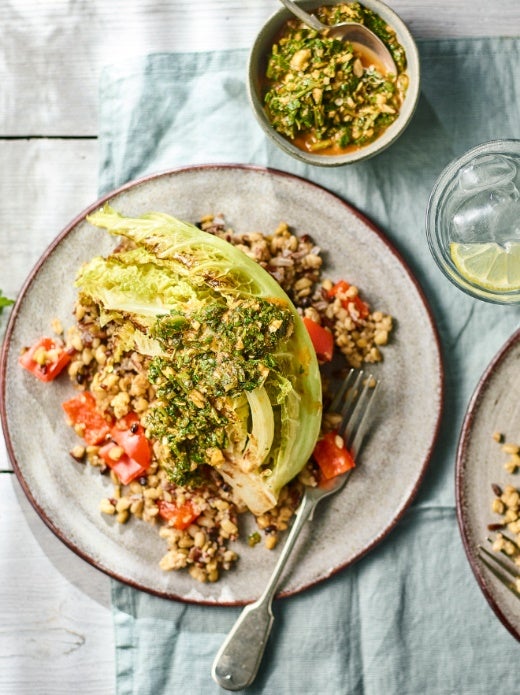
Roast cabbage with chermoula
 open image in gallery
Golden roast savoy cabbage wedges are served on a bed of mixed grains and red pepper, then finished with a punchy homemade chermoula made from parsley, coriander, lemon, garlic, chilli and spices. It’s colourful, simple and ideal as a plant-forward main or side.
Jo’s gut friendly hero ingredient: “Cabbage is part of the cruciferous vegetable family, alongside broccoli, radish, cauliflower and Brussels sprouts. It provides fibre, which supports healthy digestion and helps feed beneficial gut bacteria.
“Cruciferous vegetables also contain natural plant compounds, which can reduce inflammation and support the gut lining.
“Paired with mixed grains, red pepper, herbs, garlic and spices, this recipe delivers 6.5 plant points – helping add variety, fibre and flavour to your plate.”
Serves: 4
Prep time: 15 minutes | Cook time: 25 minutes
Plant points: 6.5
Ingredients:
For the chermoula sauce:
25g parsley, roughly chopped
25g coriander, roughly chopped
Zest and juice 1 lemon
3 cloves garlic
1 green chilli, roughly sliced
1 tsp ground cumin
½ tsp smoked paprika
2 tbsp extra virgin olive oil
For the cabbage wedges:
1 tbsp extra virgin olive oil
1 whole savoy cabbage, cut into 4 wedges
500g pouches mixed grains (or 2 x 250g pouches mixed grains)
1 red pepper, diced
250ml hot vegetable stock
Method:
1. Preheat the oven to 200C, gas mark 6.
2. To make the chermoula sauce, place the herbs, lemon (zest and juice), garlic, chilli, spices and 2 tbsp oil in a food processor and blitz to a coarse paste.
3. Heat the remaining 1 tbsp oil in a large frying pan and fry the cabbage wedges for 2 minutes each side, in 2 batches, until golden.
4. Put the grains and red pepper in a large roasting tin, top with the cabbage wedges and pour over the hot stock. Drizzle the chermoula over the wedges and roast for 20 minutes until tender.
Cook’s tip: Serve with lemon wedges and a sprinkling of extra paprika. Grains can be swapped with cooked brown basmati rice. Try using chopped chives instead of coriander.
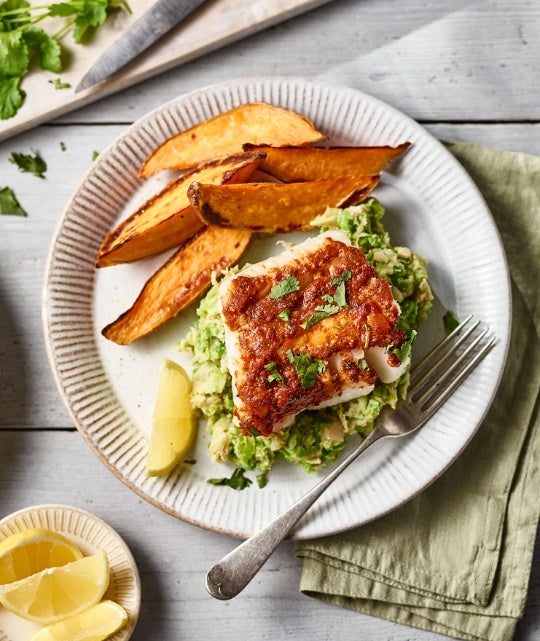
Curried cod with crushed peas and beans with sweet potato wedges
 open image in gallery
A flavour-packed dinner combining Madras-spiced cod with sweet potato wedges and a crushed pea, broad bean and cannellini bean mash. It’s a good example of how gut-friendly ingredients can be built into familiar, fuss-free meals.
Jo’s gut friendly hero ingredient: “Cannellini beans are a versatile store cupboard ingredient and an easy way to add more fibre and plant-based protein and variety to meals. Fibre helps support healthy digestion, promotes fullness and feeds beneficial bacteria in the gut microbiome.
Here, the cannellini beans are blended with peas and broad beans to create a simple, creamy base, while the cod adds lean protein for a balanced, satisfying and easy midweek meal.”
Serves: 2
Prep time: 10 minutes | Cook time: 30 minutes
Plant points: 4.5
Ingredients:
1 medium sweet potato, cut into wedges
1 tbsp extra virgin olive oil
2 cod fillets
1 tbsp Madras curry paste
100g frozen peas
100g frozen baby broad beans
400g can cannellini beans, drained and rinsed
Method:
1. Preheat the oven to 200C, gas mark 6.
2. Toss the potato wedges in oil on a large baking tray and cook for 20 minutes.
3. Spread the cod with the Madras paste, place on a small piece of baking parchment and add to the tray with the potatoes, turn the wedges over and bake for a further 10 minutes.
4. Cook the peas and broad beans in boiling water for 3 minutes, then drain and allow to cool slightly. Tip into food processor with the cannellini beans and blitz to a coarse paste; season to taste.
5. Serve the cod on top of the crushed pea mixture, with the wedges alongside.
Cook’s tip: Swap the cod for haddock or any other sustainably sourced white fish.
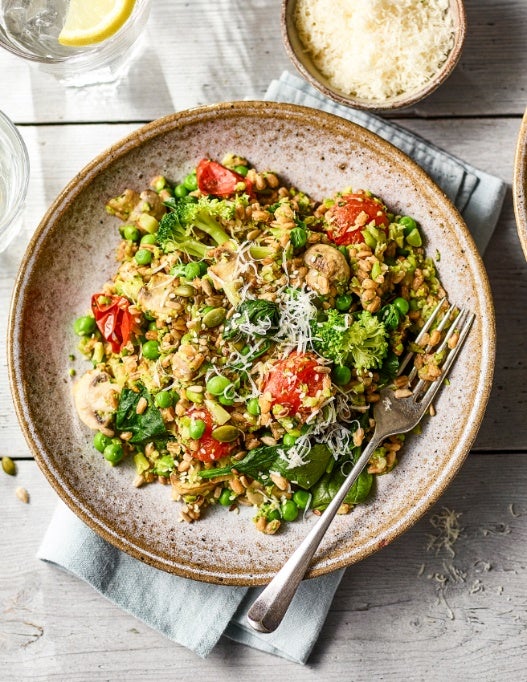
Green spelt risotto
 open image in gallery
A green, vegetable-packed take on risotto using pearled spelt, broccoli, peas, mushrooms, tomatoes, spinach, Parmesan and mixed seeds. It’s comforting while still packed with plants, making it a strong fit for hitting your recommended 30 plant points a day.
Jo’s gut friendly hero ingredient: “Spelt is an ancient grain that brings a nutty flavour, satisfying bite and useful plant-based nutrients to this comforting risotto. It contains fibres, to help food move through the gut more easily, over time helping to feed good bacteria, plant protein and minerals including magnesium, that supports a balance, making it a nourishing alternative to traditional risotto rice.
“Varying the grains you eat is also a simple way to increase plant diversity across the week. Paired with broccoli, peas, mushrooms, tomatoes, spinach and seeds, this recipe delivers 7.25 plant points – helping add colour, texture and variety to your plate.”
Serves: 4
Prep time: 15 minutes | Cook time: 25 minutes
Plant points: 7.25
Ingredients:
300g broccoli florets
200g frozen peas
1 tbsp oil
150g button mushrooms, halved
2 cloves garlic, crushed
250g pearled spelt
500ml hot vegetable stock
200g cherry tomatoes
100g baby spinach
50g Parmigiano Reggiano, finely grated
1 tbsp mixed seeds
Method:
1. Cook the broccoli and peas in boiling water for 3 minutes, drain and cool under cold water. Reserve 100g of each and set aside. Puree the remaining vegetables in a food processor to create a coarse paste.
2. Heat the oil in a large frying pan and fry the mushrooms and garlic for 2 minutes, add in the spelt and then the stock. Bring to the boil, cover and simmer for 15 minutes.
3. Add in the vegetable puree and tomatoes; cook for a further 5-8 minutes.
4. Stir in the spinach and cook until wilted, then add the reserved broccoli and peas and the Parmesan, season to taste.
5. Serve sprinkled with the mixed seeds and extra grated Parmesan.
Cook’s tip: Try using frozen broccoli instead of fresh. This meal can be made ahead and divided into portions ready for freezing.
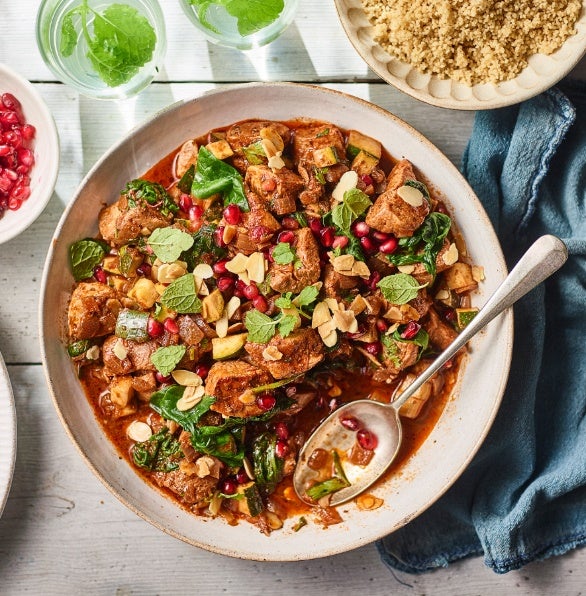
Pomegranate, almond and chicken tagine
 open image in gallery
A vibrant, gently spiced chicken tagine with onion, courgette, spinach, almonds, pomegranate seeds, mint, coriander and wholewheat couscous. It feels special enough for the weekend but is still achievable for a midweek meal.
Jo’s gut friendly hero ingredient: “Wholewheat couscous is a quick, fibre-rich base that helps make this tagine feel hearty and satisfying. As a wholegrain, it also provides useful nutrients including B vitamins and minerals, such as selenium that fights gut inflammation and aids gentle digestion, while helping add more variety to the grains eaten across the week.
“In this dish, it’s paired with vegetables, herbs, almonds and pomegranate seeds, adding colour, crunch and plant diversity. Together, the ingredients deliver 6.5 plant points – making this a simple way to bring more texture, flavour and gut-friendly goodness to the plate.”
Serves: 4
Prep time: 15 minutes | Cook time: 25 minutes
Plant points: 6.5
Ingredients:
1 tbsp oil
600g chicken breast fillets, diced
1 onion, chopped
100g tagine paste
250ml pomegranate juice
1 courgette, diced
100g baby spinach
30g toasted flaked almonds
50g pomegranate seeds
4 sprigs mint, leaves chopped
½ pack (25g) coriander, leaves chopped
250g wholewheat couscous
Method:
1. Heat the oil in a large frying pan and fry the chicken and onion for 6-7 minutes until golden. Add the tagine paste and cook for 1-2 minutes. Stir in the pomegranate juice and simmer for 5-8 minutes.
2. Add the courgette, spinach, almonds and half the pomegranate seeds and cook until the spinach has wilted. Season and stir in half the herbs.
3. Meanwhile, place the couscous in a small bowl and add 300ml boiling water, cover and set aside for 5 minutes, fluff up with a fork.
4. Serve the tagine with the couscous sprinkled with the remaining herbs and pomegranate seeds.
Cook’s tip: Try adding a chopped red chilli for a kick of heat or serve with warmed flatbread, instead of couscous, with a dollop of Greek yoghurt.
Love Your Gut Week runs from 14-20 September 2026. This year’s theme is Good Health Begins in the Gut, exploring how gut health can support wider everyday wellbeing, from mood and immunity to energy, skin and hormonal comfort. For more gut health advice, recipes and resources, visit loveyourgut.com.