


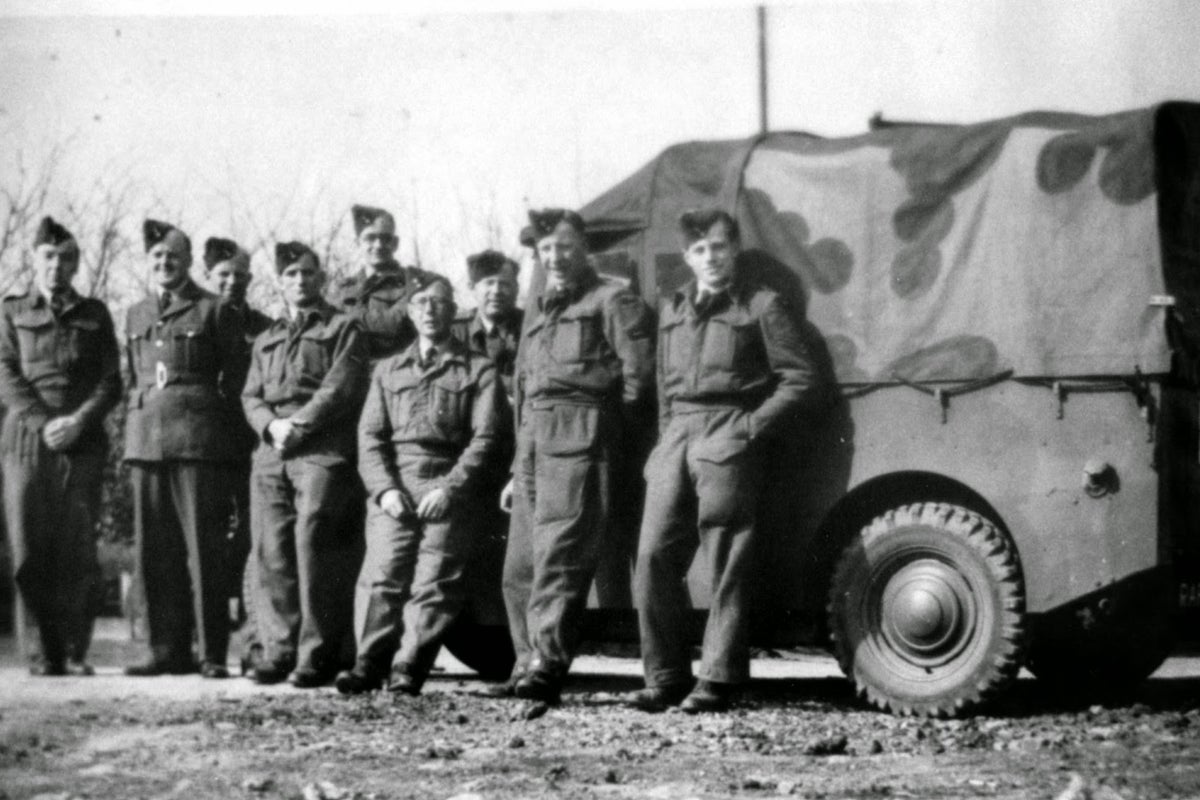
It would play a part in one of the most cunning and downright dangerous Second World War deceptions on British soil – but the stories of those who built and ran it remain largely unknown.
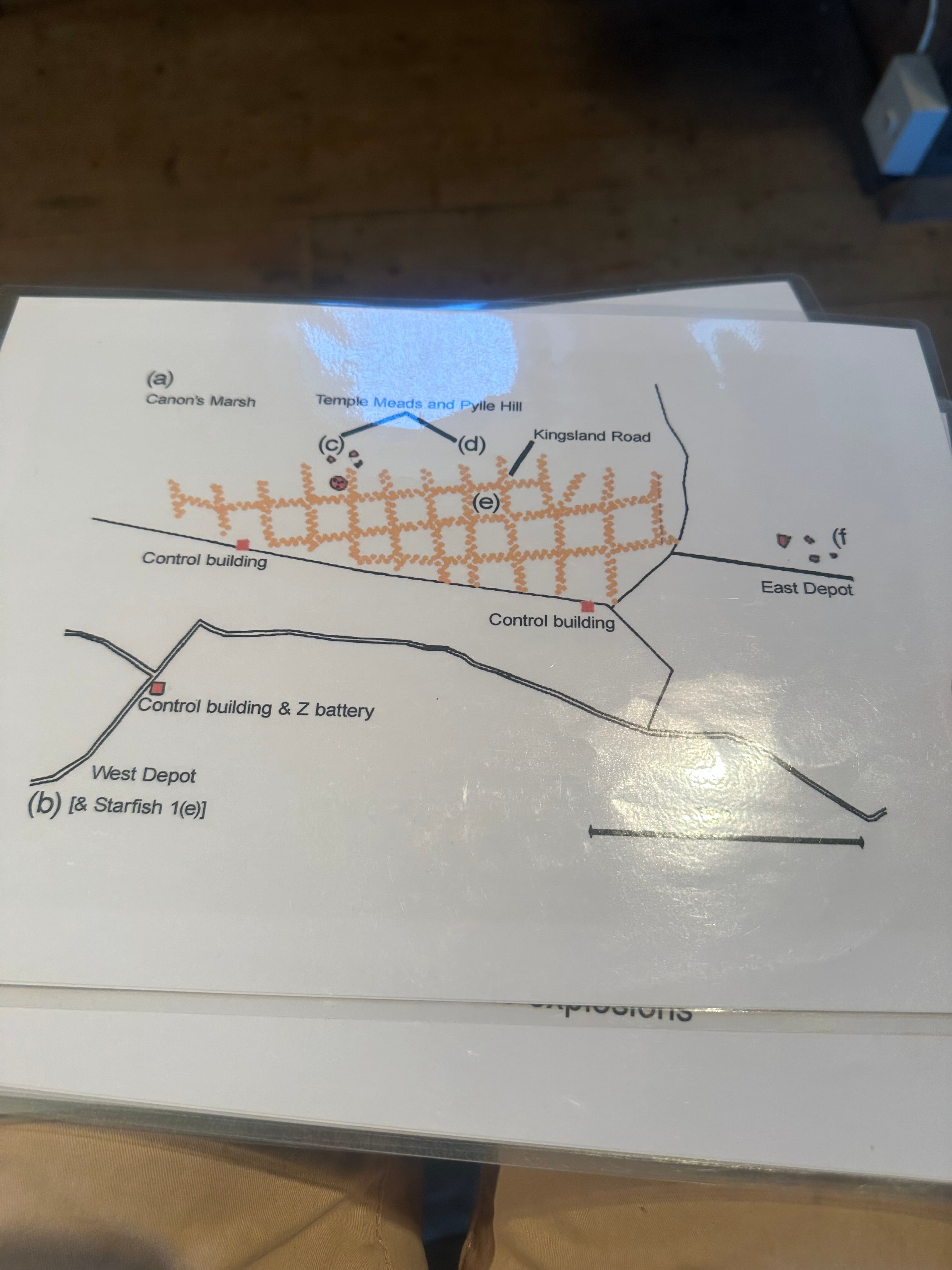
Situated on the rugged slopes of the Mendips in Somerset, a decoy city replicating Bristol, some 18 miles away, was created, featuring a road network, the city’s Temple Meads railway station and the important Avonmouth Docks.
To further harden the elaborate illusion, special effects were brought in by Shepperton Film Studios, now part of Pinewood Studios, with flickering lights, huge fires and fake gunfire generating the picture of a bombed-out city in chaos.
The aim of the brave men who controlled the mirage? To fool Hitler’s Luftwaffe into dropping bombs on them, and not Bristol, where precious factories supported the war effort and thousands of people lived.
 open image in gallery
“It would have been like hell on earth,” says historian Mike Harvey, who hosts guided walks up to the site known as Black Down. “Working in the night, the brave men were working in controlled film sets of fire under waves of German bombers knowing that, at any moment, a bomb could land on them.
“These were people we knew very little about because what they were doing was top secret, but we now know their efforts saved many lives – and it’s time we heard about them.”
The scenes of terror can only be imagined today.
On Harvey’s most recent tour last weekend, the hilltop was silent except for the chatter from the occasional rambler and the sound of birds. The open countryside is typical of its rural setting, with cows grazing and farms dotted along the rolling landscape.
 open image in gallery
But 85 years on, clues of the wartime deception remain – for those who know where to find them.
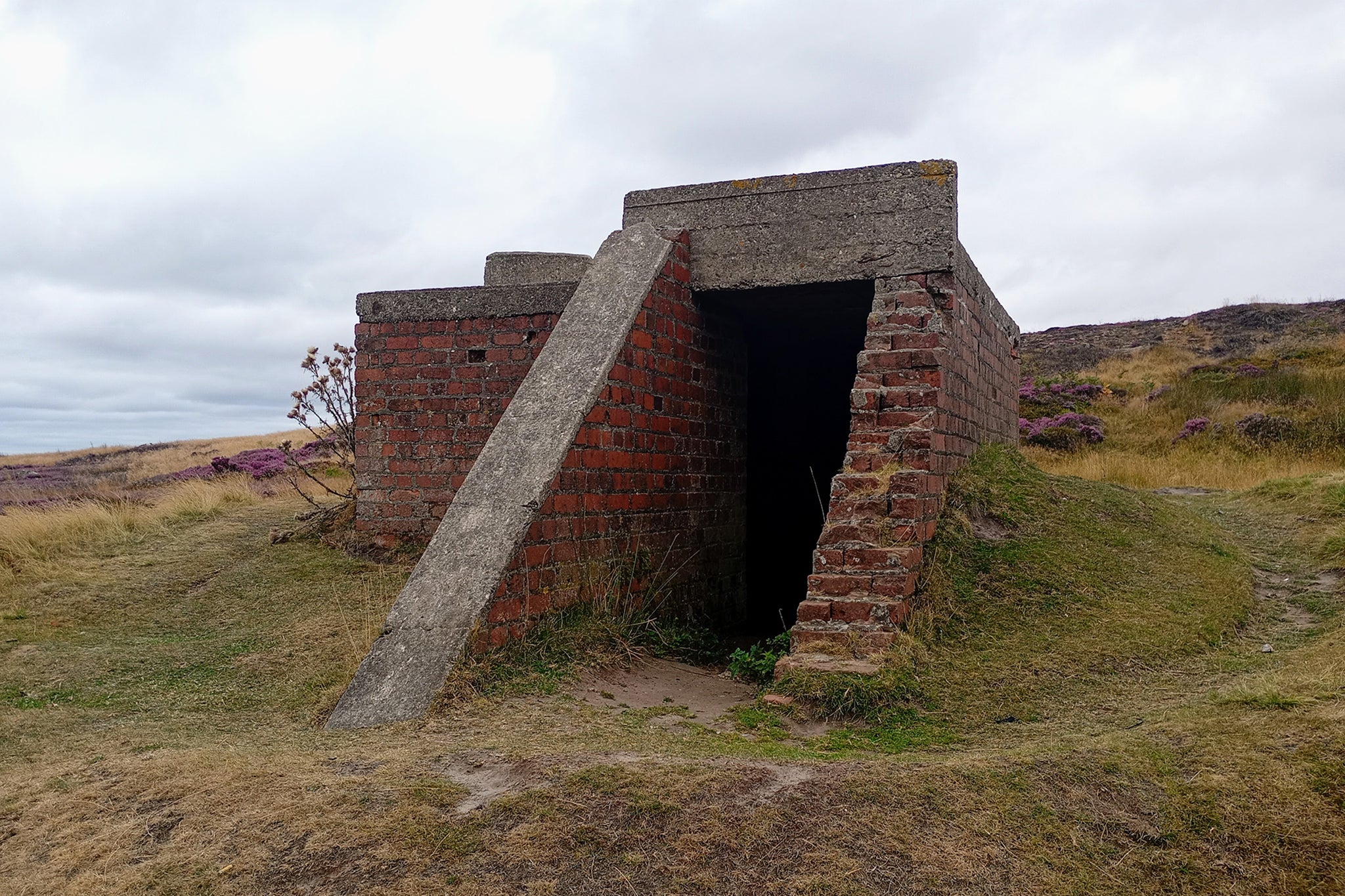
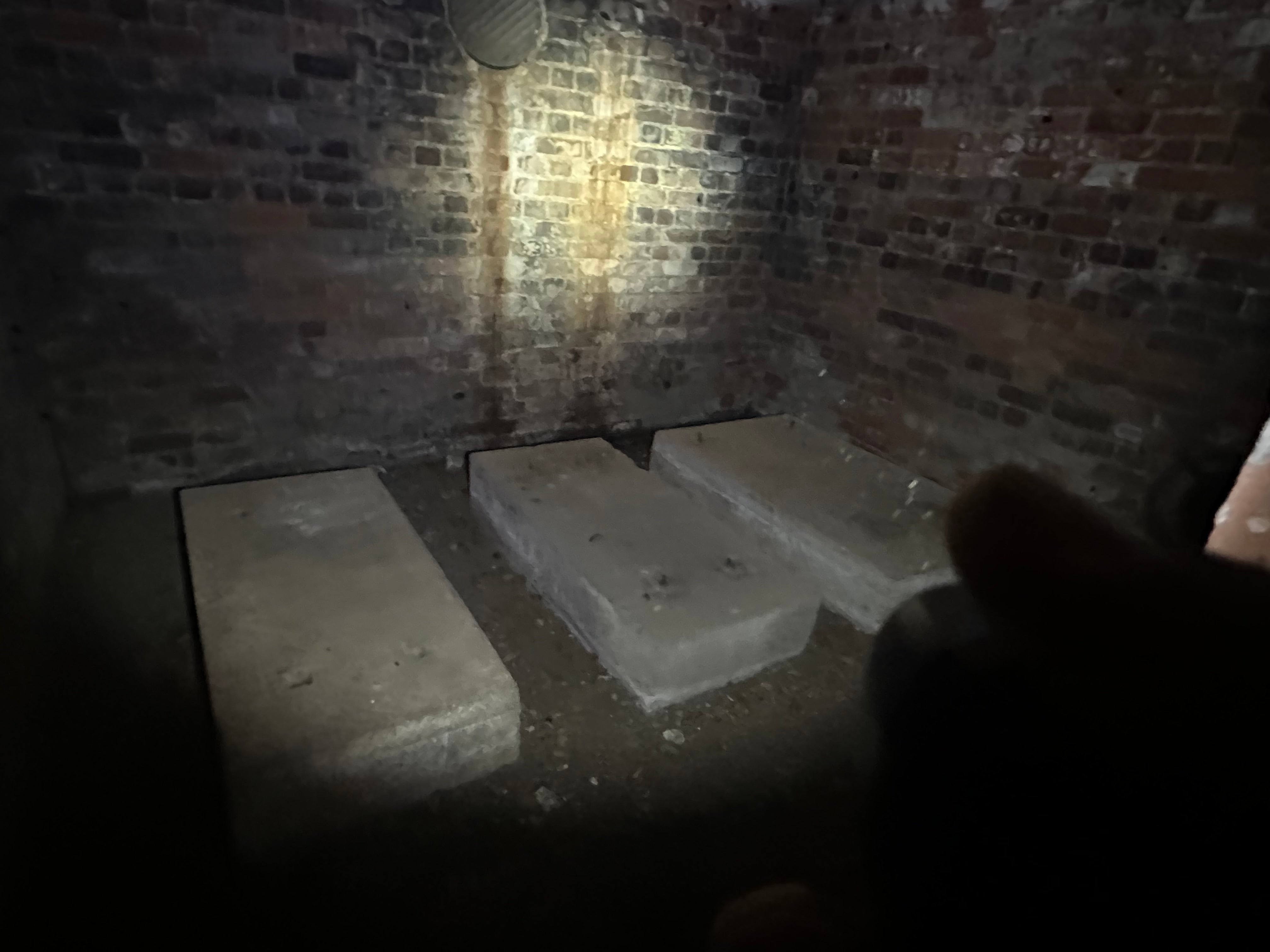
Of the three brick-built bunkers that lined the decoy city, there is one still intact, partly buried under vegetation with a key required to get inside. Inside are two rooms; one for the generators to power the special effects, the other the control room for men inside.
A mile away, down the hillside on a farm, lay the platforms for primitive rocket launchers, known as Z guns, which sent up flares made out of drainage pipes to trick the bomber pilots into thinking they were being fired on with proper ammunition.
 open image in gallery
Cow troughs were also filled with fuel and lit up to provide the picture of burning buildings from above. A simple toilet cistern flushed down water into the fire to “flare” it up.
Meanwhile, lights were flicked on and off to give the impression of locomotives misfiring, traffic lights changing and people running around.
Operating the illusion were officers from the Home Guard, based at a former village school, and RAF servicemen, who were billeted on surrounding farms. Their call to action came when reports were telephoned in of a wave of bombers on the approach to Bristol.
Harvey says: “It was a daring deception carried out by men supported by local traders and farmhouse wives who did all they could, despite the huge danger, to create an elaborate and complex deception only those involved knew about.”
 open image in gallery
The site is one of the best preserved in a network of the decoy cities, towns and airfields, codenamed Starfish sites, that were strategically situated next to targets for German bombers. Around Bristol there were 12 such sites, but hardly any records or structures remain.
In charge of them was Royal Engineer Colonel John Turner, picked by Winston Churchill for his experience as an engineer and in the air force.
Harvey says that of the 1,700 tons of bombs dropped on Britain during the Second World War, between 5 and 10 per cent landed on decoy sites, saving an estimated 5,000 lives and protecting wartime productivity.
 open image in gallery
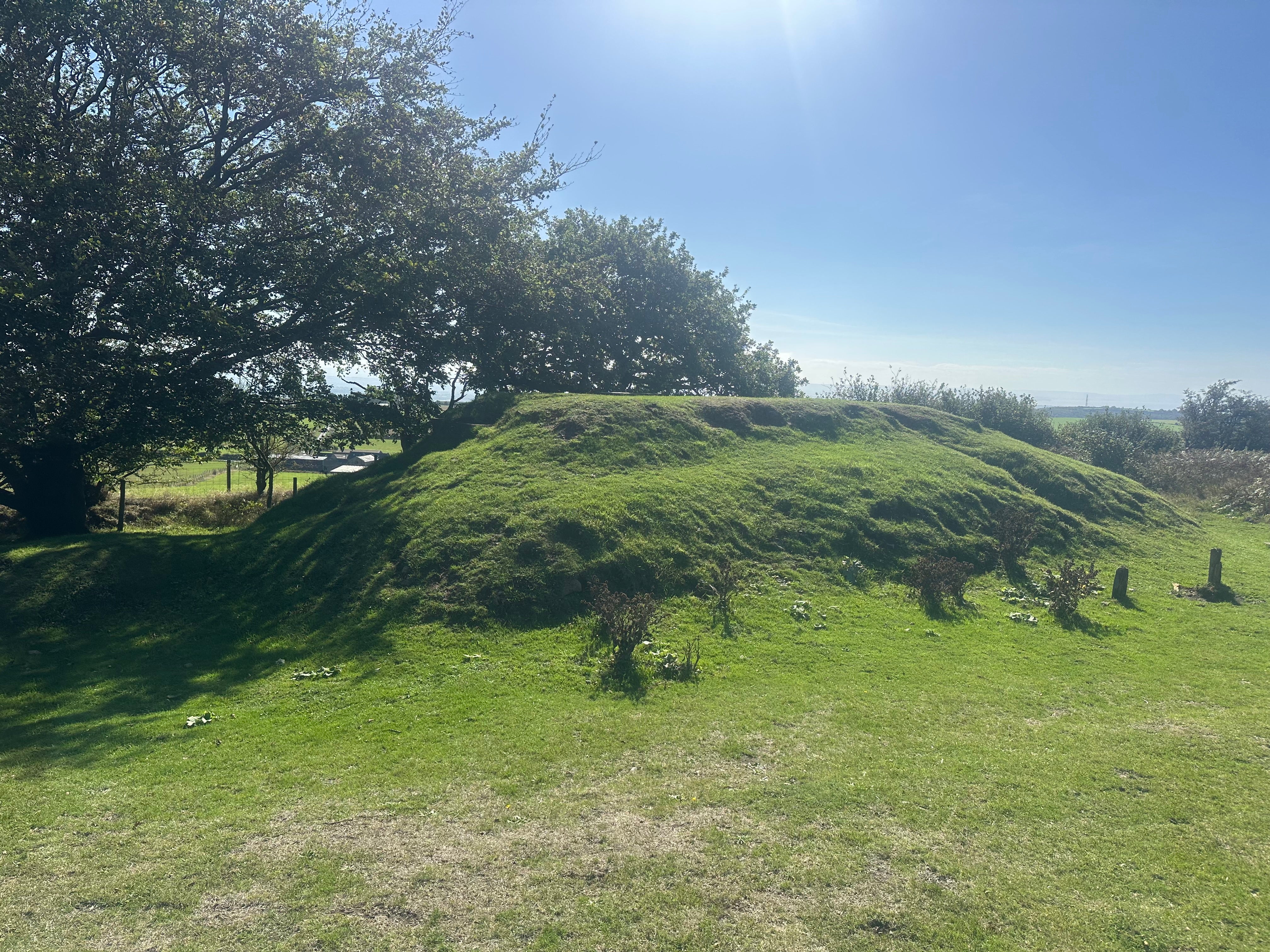
At Black Down, a crater can still be seen, created when a 500lb bomb landed 100 yards from one of the bunkers.
“A report from someone at the time said it shook the foundations of the bunker – it must have been frightening,” says Harvey.
Other sites nearby recorded more success with attracting Luftwaffe bombs.
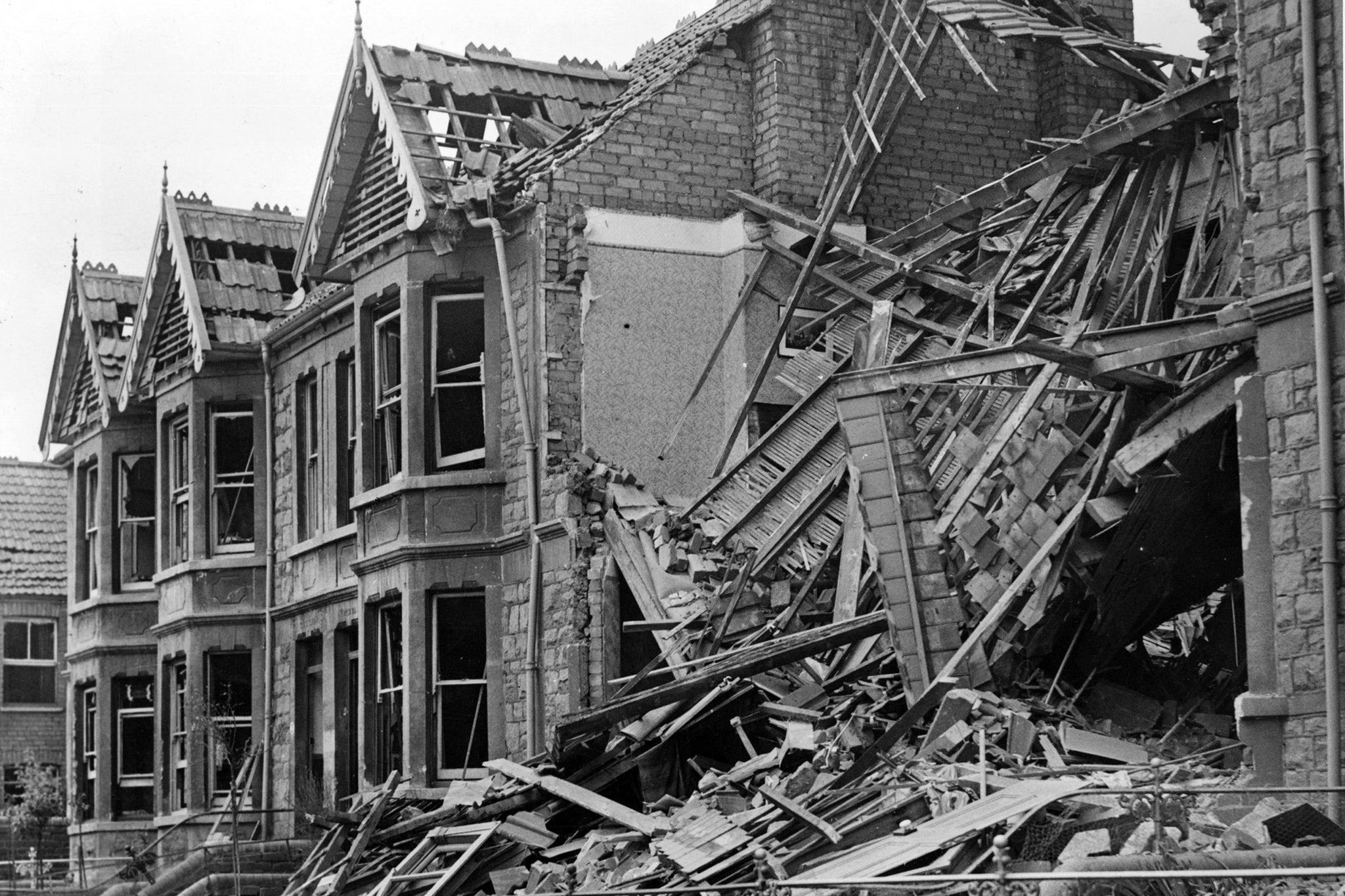
At the end of the Bristol Blitz, in which almost 1,300 people died, a decoy site in Chew Magna was hit by 54 high-explosive bombs on 3 June 1941 alone.
.jpeg) open image in gallery
open image in galleryThe night after, in Uphill, close to Weston-super-Mare, 42 bombs landed. During the bombing raid, airman 2nd Class Cecil Bright crawled out to light some of the decoy lights using matches after they failed to work. He was later awarded a military medal.
“It’s the stories of the people behind the site which fascinates me most about it,” says Harvey. “These were people taking huge risks for the benefit of the war. It shows the togetherness of the nation, and where some sites didn’t attract such big hits it didn’t matter, as everyone was still trying to do their part to win the war.”
The story of the Black Down decoy site emerged from research by local school teacher Donald Brown, who wrote a book and hosted guides himself. Since he died, Harvey has taken the torch, with interest higher than ever.
At last weekend’s tour, organised by the Mendip Society, all 20 places were taken by young and old.
“It’s about passing on the story so those who took part and what they did never get forgotten,” Harvey says.