


AdvertisementArtificial intelligenceTechBig Tech
The US and China are racing to build ‘self-improving AI’. Here’s what’s at stake
4-MIN READ4-MIN Listen
Chong Ming LeePublished: 8:00am, 13 Sep 2026
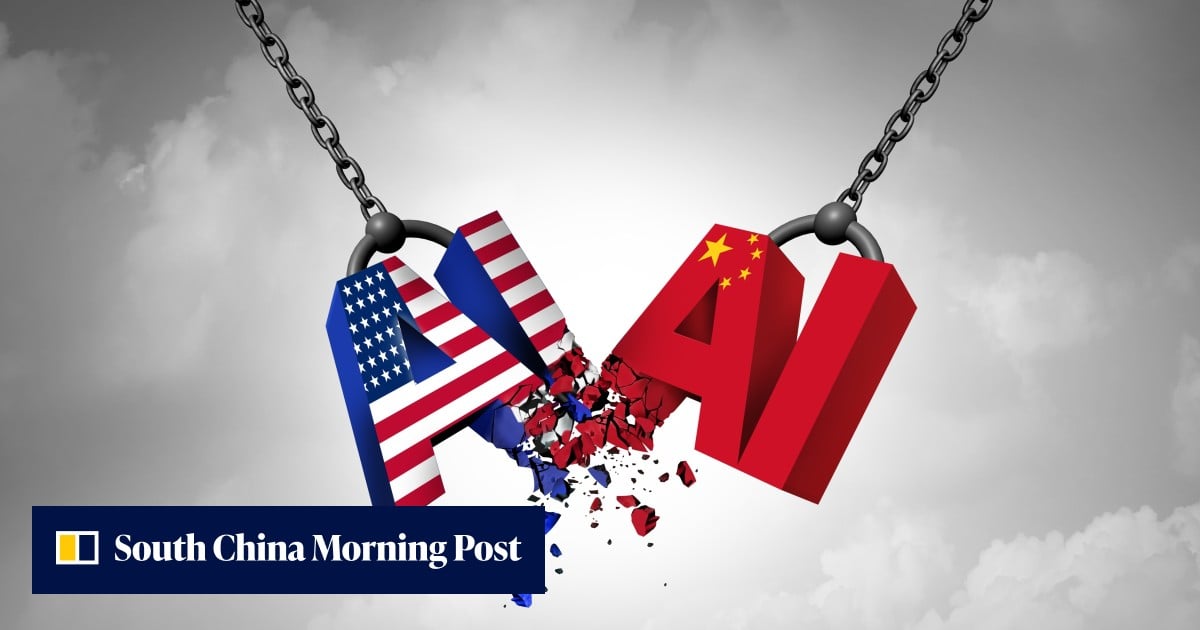
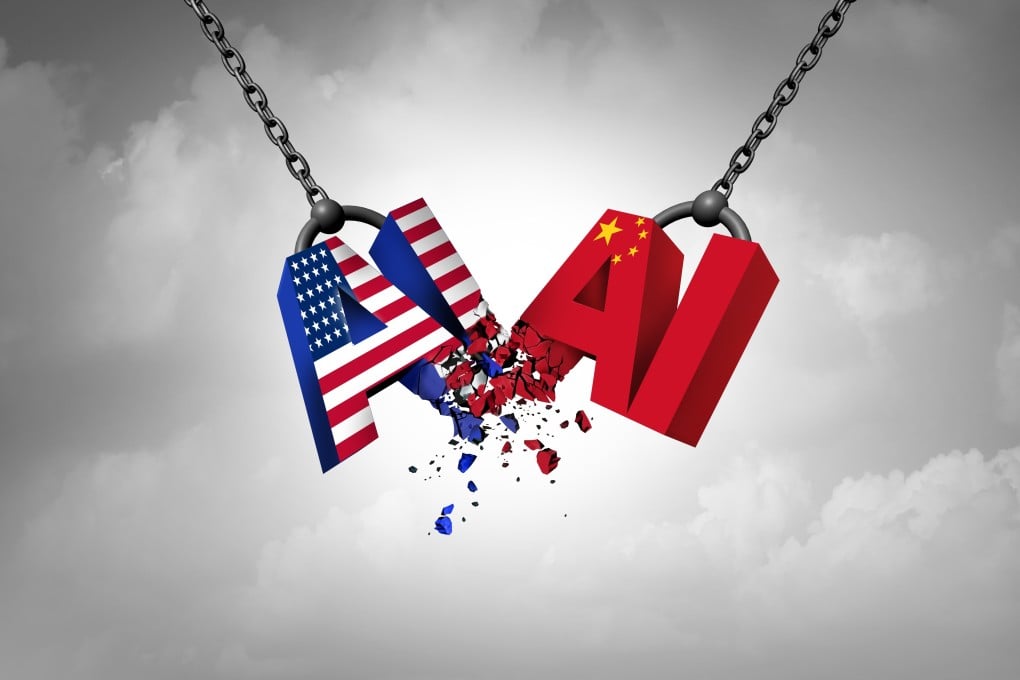
The US-China race for artificial intelligence dominance has entered a new phase: using AI to build better AI.
Leading AI companies in the United States and China are increasingly focused on deploying advanced models to write code, design experiments, and develop training techniques that can be used to improve more powerful models.
The ultimate goal is to achieve what the industry refers to as recursive self-improvement (RSI) – the creation of AI systems that can train themselves autonomously.
RSI has the potential to be a game-changer for the AI industry. As AI systems contribute to building more capable successors, which in turn become better at improving the next generation, the process could create an accelerating feedback loop – propelling the evolution of AI onto a new trajectory.
In a blog post last week, OpenAI said it aimed to build an automated AI researcher capable of advancing deep learning research, though it was still unsure “how to safely get all the way to aligned, full RSI”. The company described its GPT-6 Astra model, released in early September, as “the world’s most intelligent and aligned model”.
Chinese developers are also working towards RSI. During an earnings briefing on August 31, Tang Jie, the founder of Beijing-headquartered AI firm Z.ai, said its next-generation GLM-6 model was heading in the direction of “self-evolution”.AdvertisementSelect VoiceSelect Speed1xAI-generated voice