


AdvertisementScienceChinaScience
J-50 designers reveal leapfrog tech for China’s next-gen stealth fighters
5-MIN READ5-MIN Listen
Chao Kongin BeijingPublished: 2:58pm, 10 Sep 2026China’s next-generation combat aircraft will be able to fly by themselves if a pilot loses consciousness, navigate without satellite signals and operate in self-reorganising large drone formations.
That is the plan laid out by researchers from the Shenyang Aircraft Design & Research Institute, a top Chinese military aircraft design organisation, in a paper last month.
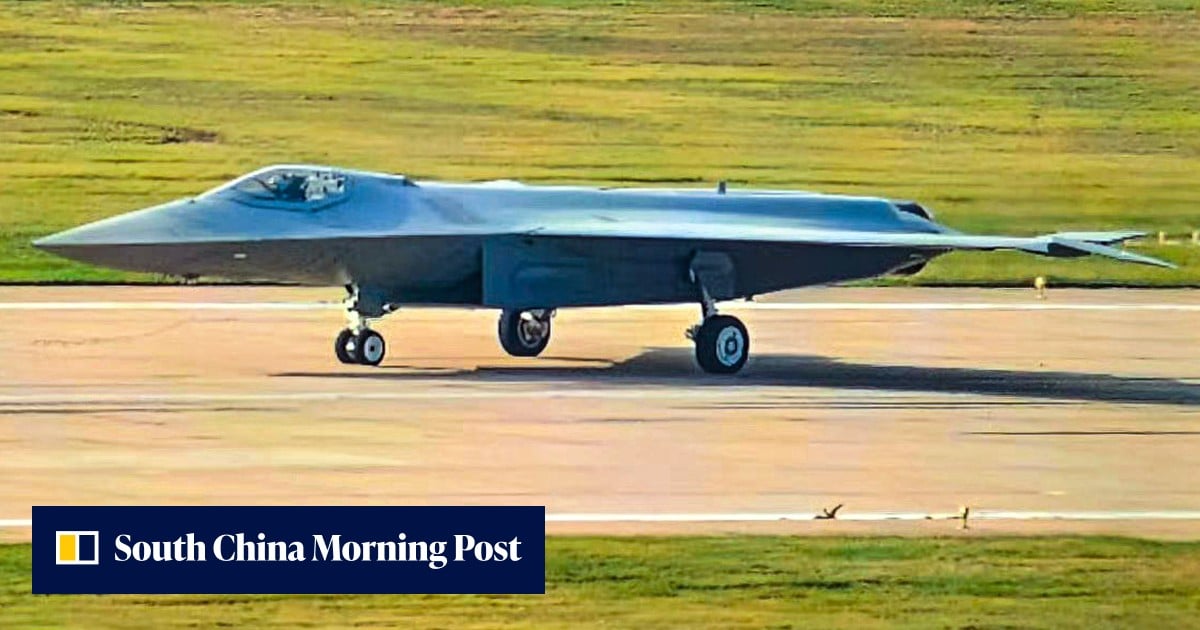
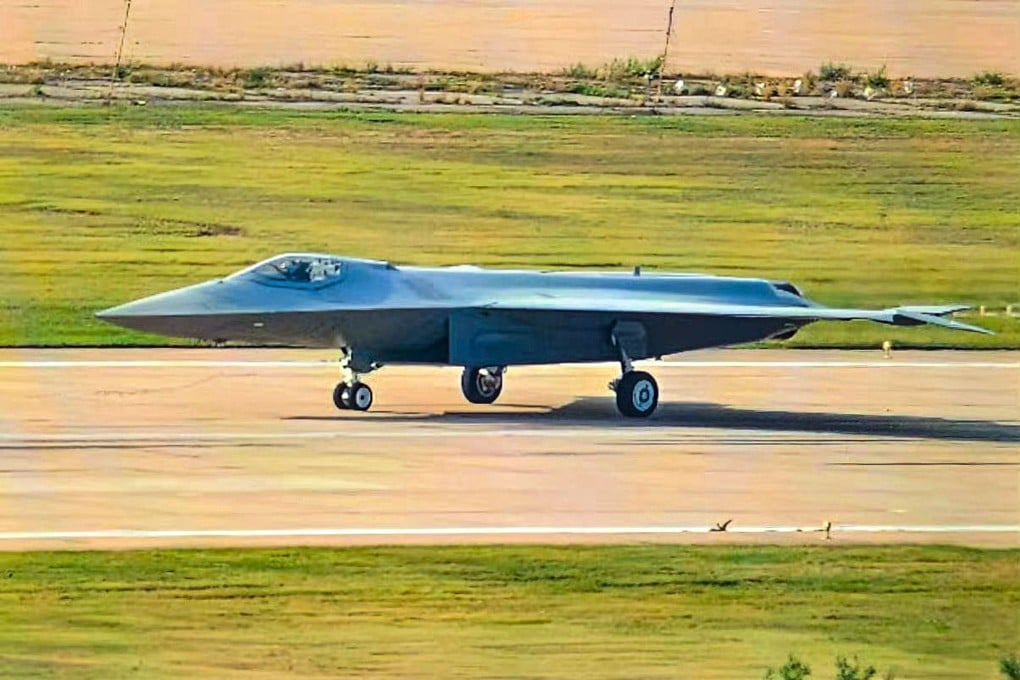
The institute is associated with the development of the Chinese next-generation aircraft commonly referred to as the J-50, which first appeared in flight-test imagery in December 2024, although the paper does not mention the J-50 by name or confirm that the aircraft will incorporate any of the described technologies.China’s future fighters, including the J-50 and J-36, are considered rivals to the US Air Force’s sixth-generation main fighter programme, the F-47, being developed by Boeing.
The lead researcher is chief flight-control designer Zhang Dong at the institute, and his team’s paper – rare for its public details – was published in a peer-reviewed journal Aircraft Design in August.
China’s next-generation stealth fighter programmes were undergoing a “leapfrog transformation from being able to fly steadily to being able to win in combat”, wrote Zhang and his colleagues.
Zhang’s study presents a future of pilots handing over control during periods of extreme workload or incapacitation, quantum navigation technologies supporting operations in satellite-denied environments and crewed fighters coordinating attack, reconnaissance and protection missions with reconfigurable wingman drones.
AdvertisementSelect VoiceSelect Speed1xAI-generated voice