


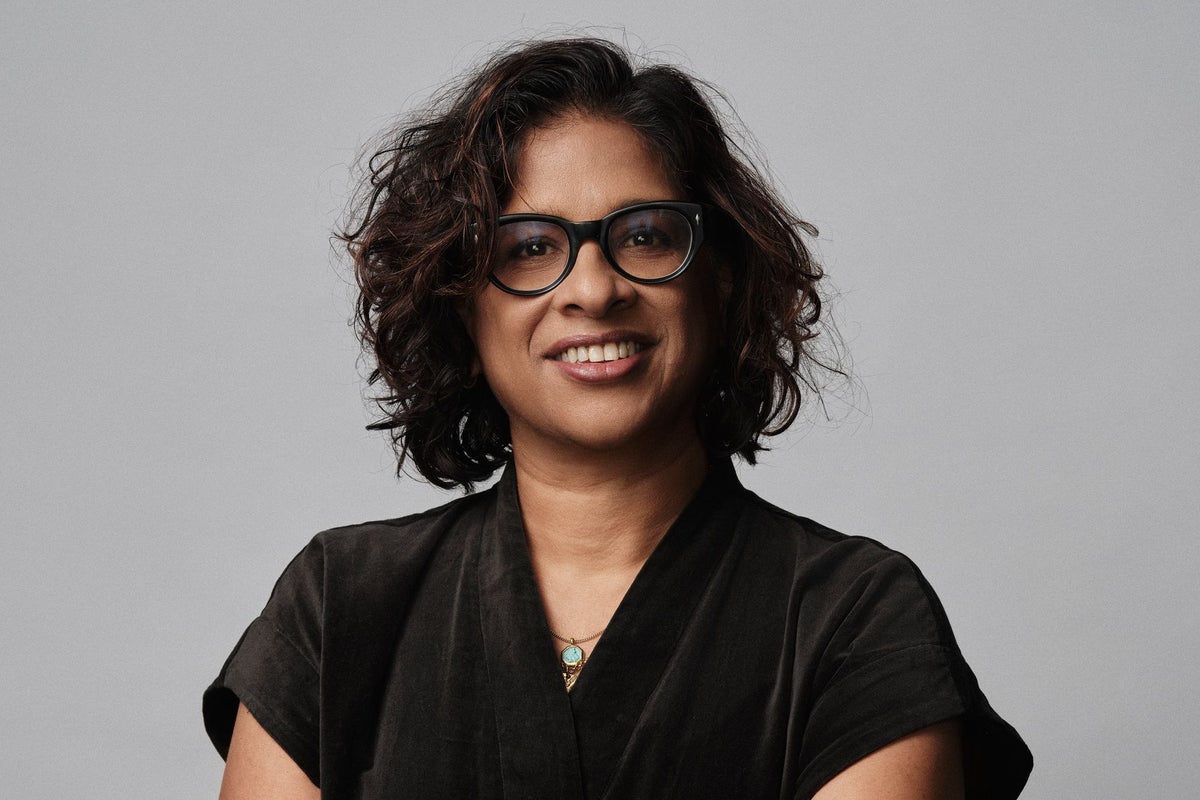
Earlier this year, National Theatre boss Indhu Rubasingham offered a stark warning. If new writing for the stage continued its rate of decline, she said, we would risk betraying the legacy of William Shakespeare. Delivering the 2026 Jennie Lee lecture, a new annual speech honouring Britain’s first arts minister, Rubasingham was armed with shocking stats: the past decade had seen 44 per cent fewer new plays staged outside of London and 30 per cent less in the city, as well as a 76 per cent drop in new writing festivals. Conservative theatremaking would do no less than “kill the future of theatre”. In real terms, that makes it significantly harder to find the next Fleabag, Prima Facie or Jerusalem.
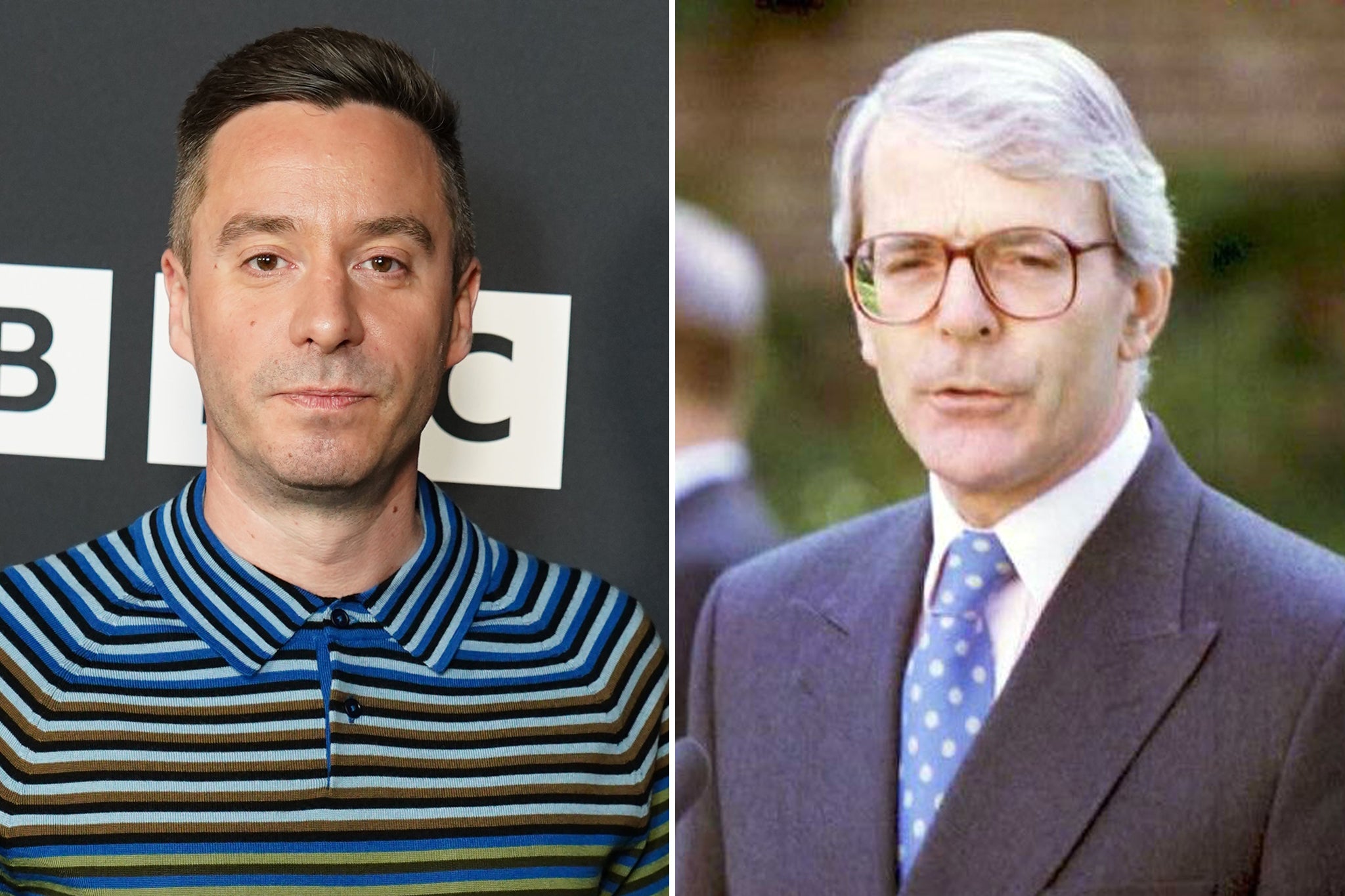
In that lecture, Rubasingham called for investment in the arts and committed to sustaining the National’s current levels of new writing throughout her tenure. She’s put her money where her mouth is. Her opening production in September last year, Bacchae, was a rewrite of Euripides’ Greek tragedy by first-time writer Nima Taleghani – the first debut play to be staged in the NT’s 1000-seat Olivier theatre. She called it a “statement of intent”; The Independent called it “full-bodied theatre, rich with invention, intriguing themes and visual sumptuousness”. Today, she announces her second season in charge of the Southbank building, revealing programming until the end of 2027 – and within those 18 productions are eight new plays, two of which will be performed on the Olivier stage: The Great Indaba by Moira Buffini, about the birth of the Good Friday agreement in South Africa (directed by Rubasingham herself), and Major by James Graham, about the dramatic moment in history when John Major succeeded Margaret Thatcher.
Rubasingham’s appetite for the new has been shaped by the scene that formed her as a young director from Nottingham. “When I was coming up in theatre in the late Nineties, early Noughties, there was so much new writing going on,” she tells me. “It’s just what most London theatres were doing, you know, it was the Bush, Soho Theatre, the Tricycle [now Kiln], Stratford East, Hampstead. And there were audiences for it. Fringe theatre felt alive and kicking. And the generation before that thought we had a lot less funding.”
Today, wearing a navy jumpsuit – both chic and practical enough to direct a cool new play and charm a drinks reception full of stakeholders – Rubasingham looks refreshed, having just returned from a holiday. You wouldn’t know she spends weekdays working from 8.30am until 11pm in this all-consuming role (she even recently moved from Kentish Town to the Southbank to be closer to work). Her office, overlooking the River Thames, full of plants and playtexts, feels like a calm space of creative thought, but the fact that velvet green sofas take up most of the space suggests it’s a hive of lively discussions.
But what does “conservative theatremaking” actually look like? Her point was that our storytelling is part of our national identity, where we have shown our brilliance on the global stage. “The conservatism is that we get scared of taking risks because we’re all trying to balance our books, and therefore do less of that, and that pipeline of development closes down. If we don’t care about that now, what are we going to be producing in 10 or 15 years time?” she asks.
-in-Bacchae-at-the-National-Theatre--Photographer-Marc-Brenner-ONE-01143.jpg) open image in gallery
open image in galleryShe offers the powerful example of War Horse, which returned to the NT last year, almost two decades on from its premiere, and became a global smash. “Marianne Elliott [War Horse co-director] said when they were making it, it wasn’t to be the hit that it was. They were trying new things. Puppets hadn’t been done that way. And it was like, can this work? It was all a bit of an experiment.”
Rubasingham, who was announced as the sixth artistic director of the National Theatre in 2023 (and the first woman and first person of colour in the role at that), has always made courage her creative calling card. It’s why she was a no-brainer for the biggest job in British theatre, one requiring not just an instinct versatile enough to programme three very different stages, but the ability to be a spokesperson for the industry and, alongside co-exec Kate Varah, lead and inspire a workforce of almost 1000 people. She spent a triumphant decade running the Kiln Theatre in North London, convincing Zadie Smith to write her first play and overseeing a £7m refurbishment, where her radar for hits was evident: Red Velvet, Handbagged and The Father were all significant West End transfers.
For her, that “dare to risk” is not just about writing but anything that is “pushing the art form, that doesn’t know whether it’s going to work”. Like, perhaps, Punchdrunk, the pioneers of immersive theatre, who will return to the National more than a decade after the cult success of The Drowned Man with Ghostlight, curated by Lucy Kirkwood and marking 50 years in Denys Lasdun’s brutalist building.
 open image in gallery
Of course, creative risk-taking is brave because theatres are under pressure to bring in audiences in very straitened times. “Fundamentally, it’s always about putting on something you think audiences will want to come and see,” Rubasingham says. “The cost of living is so high, audiences want to know that something’s going to be OK before they invest in it,” all of which makes that risk-taking, well, riskier.
Despite all this, Rubasingham says the NT’s box office is “doing really well”. Audiences are turning up, perhaps craving live experiences more than ever. There’s a tricky balancing act, though, between offering opportunities to more voices, and giving the same writers the repeat opportunities they need to develop – and allowing them sometimes, inevitably, to fail. “We’ve got to be allowed to fail,” she says. “It’s also about how we define failure: is that critical response, or box office response? I think theatre is very hard to really fail in. Something might be completely panned, but does that mean an audience doesn’t enjoy it, or a writer or an actor learns their craft? I know people who wouldn’t have done their big hit without that second or third or fourth play.” Besides, she says, the National has to consider “actually, what are the stories [we] want to tell. We’re not being worthy or martyrs – it’s built into the DNA of what we do, and it’s what makes theatre relevant.”
We’ve got to be allowed to fail
What’s important is that those risks are mitigated by “tentpole” productions that are pretty surefire box office bets. This year’s is West Side Story, a tantalising revival happening next Christmas on the Olivier stage with Jerome Robbins’ original choreography. (Its enticing, more leftfield twin is Glorious Madness, a new musical by Iman Qureshi based on the songs of Joan Armatrading in the Dorfman Theatre.)
Rubasingham also wants to shape modern classics by reviving plays from the Nineties and Noughties. A work that has that status began at the Edinburgh Fringe in 1966: Tom Stoppard’s Rosencrantz and Guildenstern Are Dead, which will be revived as part of Rubasingham’s next season, with Mawaan Rizwan and SNL star George Fouracres in the leading roles. Can we really find the new Stoppard or Pinter in this economic climate? “Yeah, and I think it’s important that we do, and it’s part of my role to make that happen,” she says, emphatically. “It may happen in a different way.”
It’s another nod to the fact that theatres are operating in a very different world. In recent years, playwright David Hare has lobbed a few grenades at the National, accusing it of “eroding culture” by dropping the repertory system after Covid and “angling” for West End transfers. Rubasingham laughs this off, calling it “water off a duck’s back” – “It’s like dealing with family!”
 open image in gallery
She has programmed a revival of Hare’s 1978 play Plenty directed by Richard Eyre, a former NT artistic director himself. “A lot has changed in our ecology since he and Richard were here. I remember Nick Hytner [former NT AD, 2003-2015] saying to me that he was really glad he was the director when he was, because he wasn’t having to deal with subsequent funding issues,” she says. “Everyone’s going to have an opinion about the National. Someone once said to me the thing about the National is everyone wants to love it or hate it. It’s going to engender incredible passion. But I’d rather that than apathy, because it means it’s relevant.”
Star casting has always helped bring audiences to shows, and Rubasingham has done a pretty good job of selling the National to some big names. Emilia Clarke takes the lead in Plenty, while Emma Corrin will appear in a rare revival of Tennessee Williams’ Suddenly Last Summer. Cate Blanchett, Letitia Wright and Sandra Oh are among those to have already topped the bills, with a return to the stage for Paul Mescal coming up and a project with Stormzy still in development. “It’s totally on the right track – a play with a musical just takes a couple of years to get there.”
I don’t think you can and I don’t think you should
On banning phones in theatres
Rosamund Pike was performing in Inter Alia, a National Theatre hit that transferred to the West End, when she ticked off an audience member whose phone went off. Does Rubasingham think phones have become more disruptive in the past 10 years? “I don’t notice them…?” she says, slightly bemused. In her view, turning them off has largely become an ingrained audience habit. “There was a phase where before every show there was an announcement to turn them off. We don’t do them here. Obviously there’s a policy that you shouldn’t use phones to film, but I have no problems with people taking photographs at the beginning or end.” The National Theatre wouldn’t ban phones under her watch. “I don’t think you can and I don’t think you should. People might need them for personal reasons.”
Despite being a relative newbie to the job, Rubasingham is already on her second prime minister, but she feels optimistic about Andy Burnham’s support for the arts. He’s a former culture minister and has appointed the respected former artistic director Ruth McKenzie to work on arts policy. She wouldn’t follow suit on Burnham’s No 10 North with an NT North, though. “I don’t think an NT North is a good idea. There are brilliant big theatres in the north – Leeds Playhouse, Manchester Royal Exchange. I think it would be presumptuous and a bit arrogant, when there is that brilliant talent and work going on. They don’t need it. I think it’s much more important to have partnerships and relationships and a really thriving, vibrant ecology where we all feed into each other. I grew up in Nottingham – Nottingham Playhouse is where I got into theatre.”
It’s a year now since Bacchae, that audacious opening gambit of an inaugural show. I ask Rubasingham what she’s learnt. “That I’ve learnt a lot,” she tells me, after giving it some thought. “Everything I’ve done up to now has prepared me for this role, whether it’s freelance, the Kiln, being on boards.” But there’s something more than that. She recalls a conversation she had while meeting some of her new colleagues, just before her appointment was announced. “I said, ‘We’re going to have fun.’ Secretly I was going, ‘Oh god, is that really going to be possible?’” she says. “Of course it’s hard work. Of course it’s A Lot.” But it turns out she was right. “One of the things I’ve learnt is that you can have fun.”
Full details of the National Theatre’s 2027 season can be found at nationaltheatre.org.uk