


AdvertisementPlanning health like wealthBusiness
Planning health like wealth
Paid Post:Standard Chartered Hong Kong4-MIN READ4-MIN Listen
Advertising partnerPublished: 12:30pm, 9 Sep 2026
[The content of this article has been produced by our advertising partner.]
Hongkongers may be increasingly conscious of staying healthy for longer, but awareness alone does not always lead to action.
A new survey by Standard Chartered in collaboration with HKSH Medical Group (HKSH) found that nearly eight in ten high-net worth (HNW) Hongkongers have set health goals, while only 53 per cent have turned those aspirations into a concrete action plan.
For a city known for the longevity of its population, living well for longer has become an important consideration.
Advances in medicine and screening can help manage disease and identify health risks earlier, but awareness still needs to be followed through with regular check-ups, healthier lifestyles, mental wellbeing and an understanding of personal and family health risks.
The 2026 Hong Kong HNW Health & Wellness Study was commissioned by Standard Chartered in collaboration with HKSH. It was found that 96 per cent regarded health and wealth as closely connected.
Nonetheless, the difference between setting goals and putting a comprehensive health management plan in place suggests that awareness does not necessarily lead to follow-through. Once a plan was in place, action appeared more sustained, with almost seven in 10 plan-holders following it for at least half of the previous year.
Starting preventive care earlier
Respondents considered 30 the right time to start regular health examinations, although their first comprehensive check-up took place at 33 on average. Systematic health planning began at 38, while those aged 50 or above did not start until 45 on average, more than 12 years later than respondents under 50.
Family medical history can provide further motivation to start earlier. Nearly seven in 10 respondents reported a family history of at least one chronic condition, and 99 per cent of this group had taken at least one preventive measure, such as improving their diet, undergoing regular check-ups or monitoring health indicators.
Active prevention is becoming increasingly common, with more families seeking forward-looking ways to safeguard their long-term health, according to Dr Joseph Chan Woon-tong, Chief Medical Officer of HKSH Medical Group and Deputy Medical Superintendent of HKSH.
People are increasingly undergoing regular health examinations and seeking personalised health management so that potential risks can be detected before obvious symptoms emerge and treatment can begin earlier, he said.
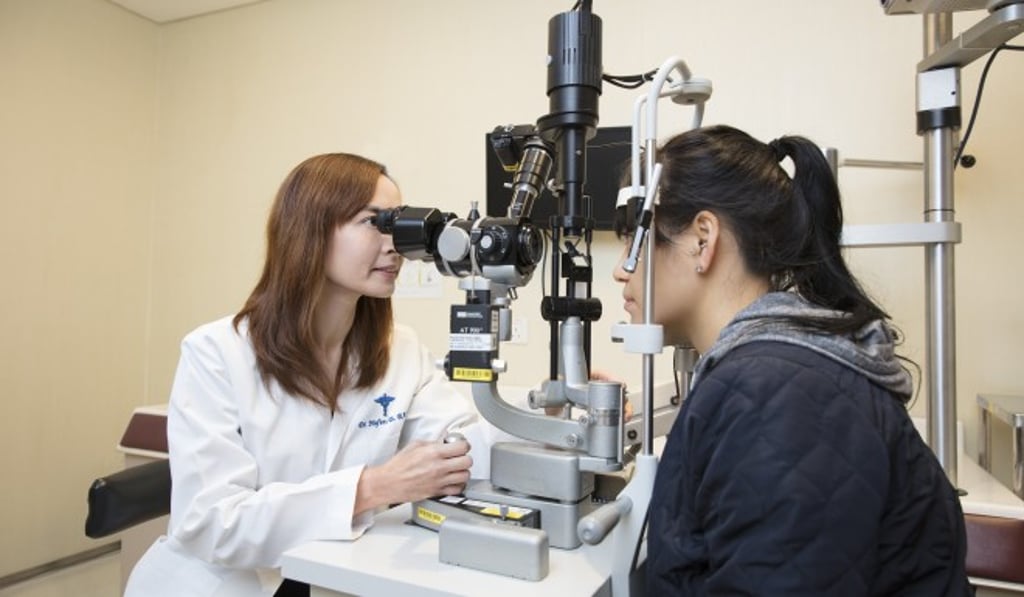
Eye health provides another example of why preventive care requires follow-through. While 85 per cent of respondents had developed basic habits to protect their eyes, only four in 10 had undergone a comprehensive eye examination during the previous year, while 14 per cent had never received one.
HKSH has also been expanding its family medicine services. Dr Chan said he hopes every family can have a dedicated family doctor who understands each member’s health and medical history.
“Family doctor care must be supported by regular health examinations,” he said, describing comprehensive check-ups as a first line of defence in managing health as an asset.
The role of the family doctor
Preventive care also depends on continuity. Some 98 per cent of respondents wanted a trusted family doctor who understood their family’s health needs, but only 51 per cent currently had a family doctor or healthcare team familiar with their family medical history.
With knowledge of a person’s family circumstances, lifestyle and medical history, family doctors can provide personalised advice, track health over time and determine whether treatment or specialist referral is needed.
Despite increasingly seeking health information from AI and social media, more than eight in 10 HNW respondents reported difficulties navigating the information available to them. What they still value is trusted professional advice informed by their individual circumstances, medical history and clinical assessment. Indeed, 99 per cent said they trusted private healthcare institutions and doctors when making important healthcare decisions.
The finding is in line with Hong Kong’s primary healthcare policy. The government’s Primary Healthcare Blueprint reported that only about 23 per cent of the population had a designated family doctor, while “Family Doctor for All” has been promoted to support preventive care and long-term health management.

Planning health across generations
Preventive health also becomes more complex when the needs of an entire family are considered. Nearly seven in 10 respondents reported a family history of at least one chronic condition, while a similar proportion of parents were concerned about their children’s mental and emotional wellbeing. Yet only 12 per cent of parents felt very familiar with how to access professional support. Some 78 per cent said they would seek help within three months if problems persisted.
For HNW families, health management may therefore need to account for several generations at once. Parents may be looking after their children’s wellbeing while managing their own preventive health and the changing medical needs of older family members. Family medical history can also help identify potential risks, making continuity of care relevant across different stages of life.
The survey also found that 96 per cent regarded health and wealth as closely connected. “Health and wealth both require early planning and long-term management,” said Eliza Law, Head of Affluent Segment & Distribution at Standard Chartered Hong Kong.
She noted that while most HNW clients recognise that “health is wealth” and have set health goals, only around half have established a comprehensive health management plan.

For families accustomed to planning wealth over the long term, the same thinking can be applied to health. Preventive care, family medical history and changing needs across generations can all be considered as part of that planning.
Some 91 per cent were also interested in health management services offered through collaboration between banks and healthcare institutions.
Turning awareness into action
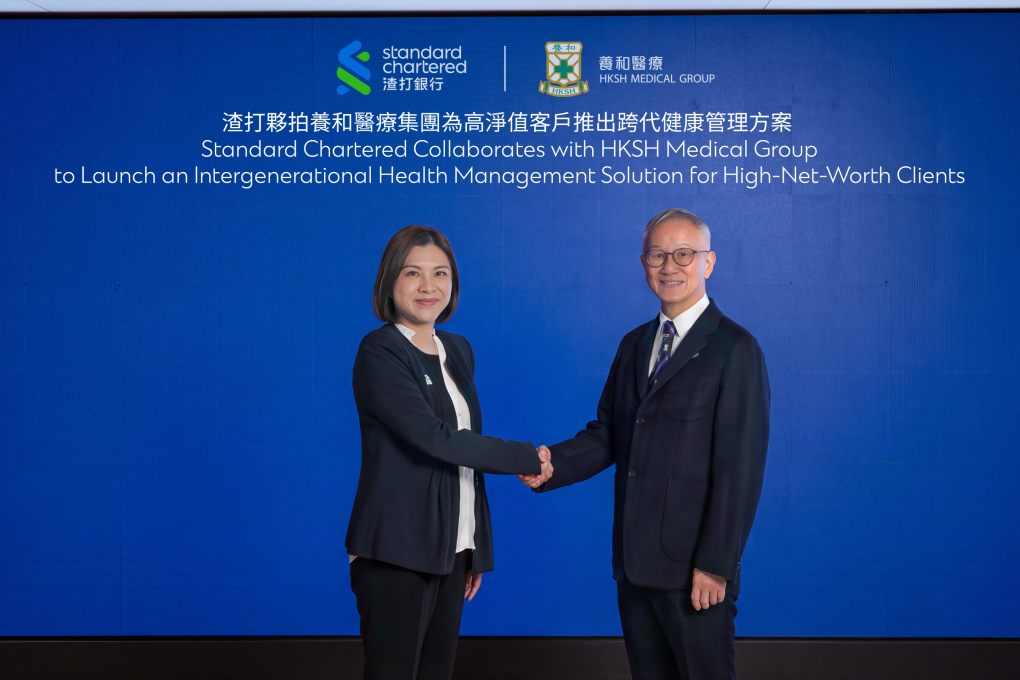
Standard Chartered Hong Kong has collaborated with HKSH to provide a range of healthcare services that address key wellness needs identified in the research. Eligible Priority Private clients can access a suite of intergenerational health management solutions through HKSH Medical Group, with options tailored to their individual and family needs starting in October 2026. These include family doctor consultations, health check-ups, mental health consultations and eye examinations.
The collaboration allows clients to act on some of the issues raised by the research, particularly preventive care, family health and access to a trusted family doctor.
In addition, newly joined Priority Private clients can enjoy a complimentary WHOOP 5.0 wearable health tracker with one year WHOOP Peak subscription, providing AI-powered personalize health planning and insights to help them make more informed wellness decisions. For details please visit Standard Chartered Branches.

AdvertisementAdvertisementSelect VoiceSelect Speed1xAI-generated voice