


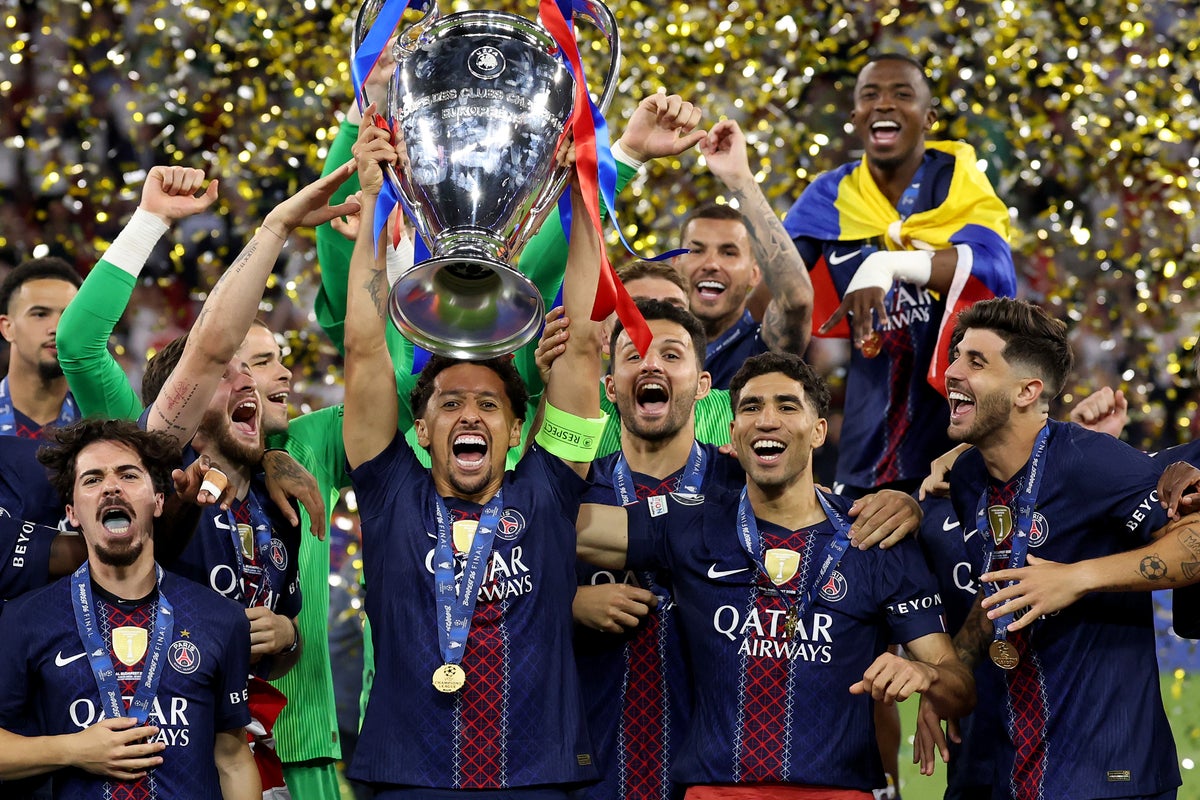
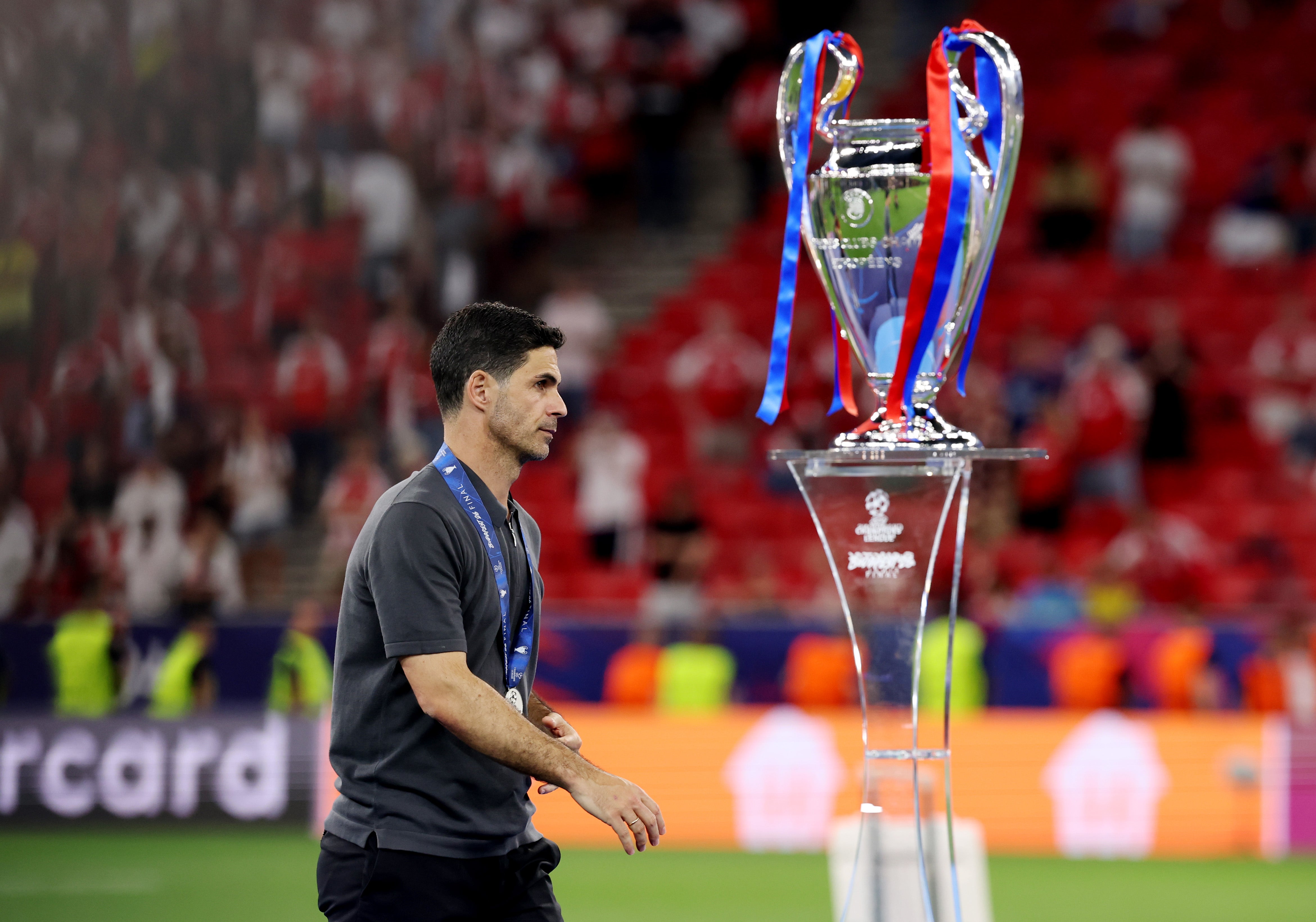
In the weeks immediately after the 2026 Champions League final, there was one question that was obsessing Mikel Arteta, to the point of almost obscuring the joy at winning the Premier League again.
It was, of course, how Arsenal become European champions. Or, in other words, how you beat Paris Saint-Germain. That would usually be the driving question as the Champions League returns for its third season since the 36-team expansion, amid the prospect of the Qatar-owned project achieving the historical gold-standard feat of winning a third consecutive trophy.
But perhaps the question should be slightly different. It is not necessarily whether PSG are the outright best, which they probably are, but whether the current format unintentionally ensures advantages to the super club champions from one-team leagues like Ligue 1 or the Bundesliga.
It’s a discussion that brings together a lot of current themes about the Champions League, right up to whether English financial power is properly reflected in the latter stages. Except, it is precisely because of the difference to those latter stages that none of that even feels important right now.
 open image in gallery
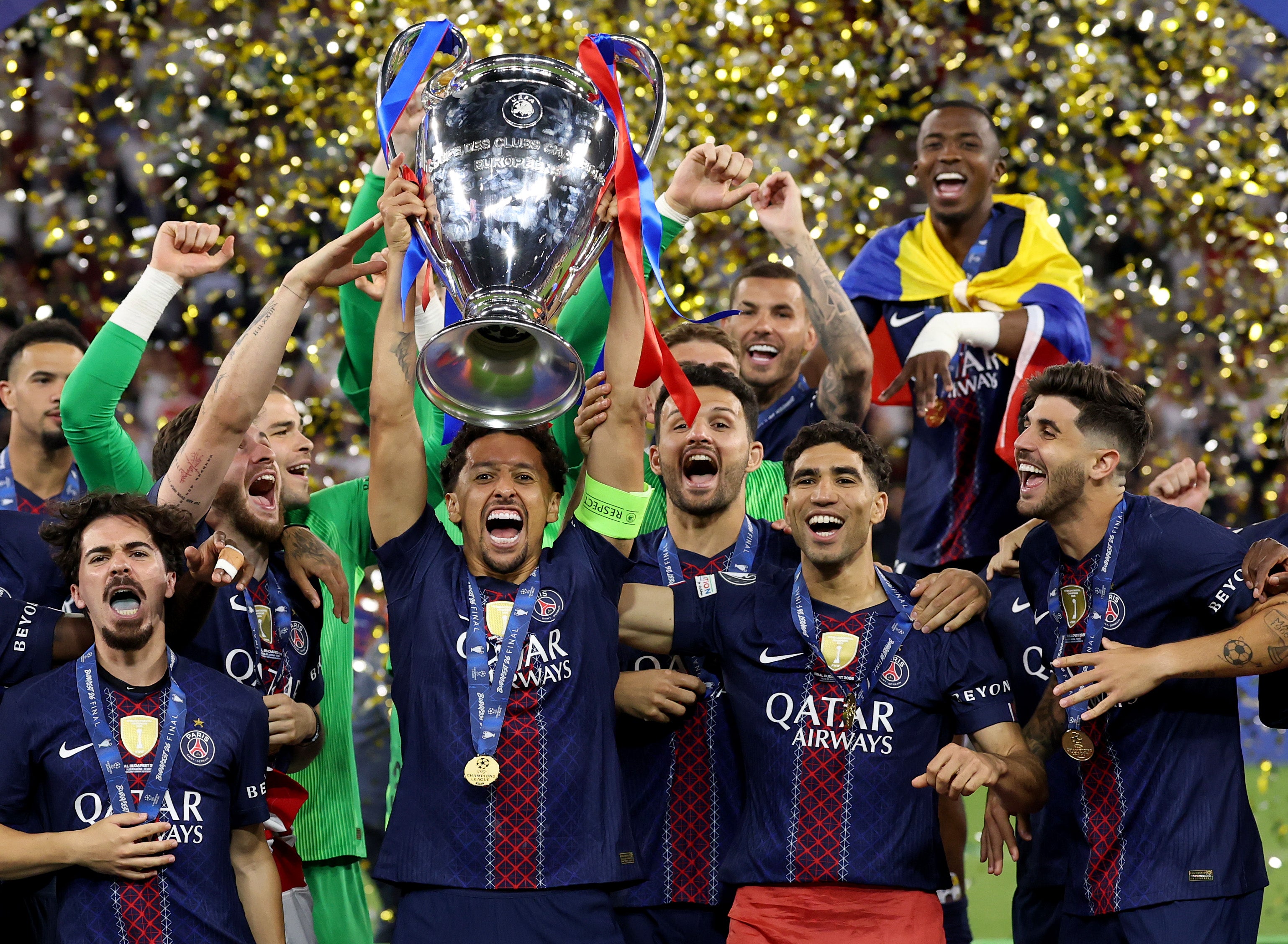
PSG, for one, barely seem to pay attention to the Champions League until February. Over the two seasons of their two victories, they finished 15th and 11th respectively in the opening league phase, meaning they had to go through the “punishment” play-off round. They know how to rise to that level, so elusive for so many others, when it matters most.
None of this is to repeat an argument now common in these pages, and to lament what the opening stage has become, or speak of how it is a financially distorting “super league” in another name. One of the reasons that we rarely see surprise outsiders any more is because prize money – and especially the greater prize money of today – has hugely contributed to creating a tiered club system. Those points still stand.
If it is nevertheless sadly inevitable that the group stage can’t have the “event” feel of the 1990s and early 2000s, there can obviously still be a joy in this round. Every match round throws up some drama and storylines, and there’s a particular fun in following the voyage of discovery of debutants like Como, LASK, Viking and Sabah.
Manchester United will feel the magic of a competition they have a spiritual affinity for returning to Old Trafford, while Jose Mourinho will hope to finally deliver a title to Real Madrid and win his own third 16 years later.
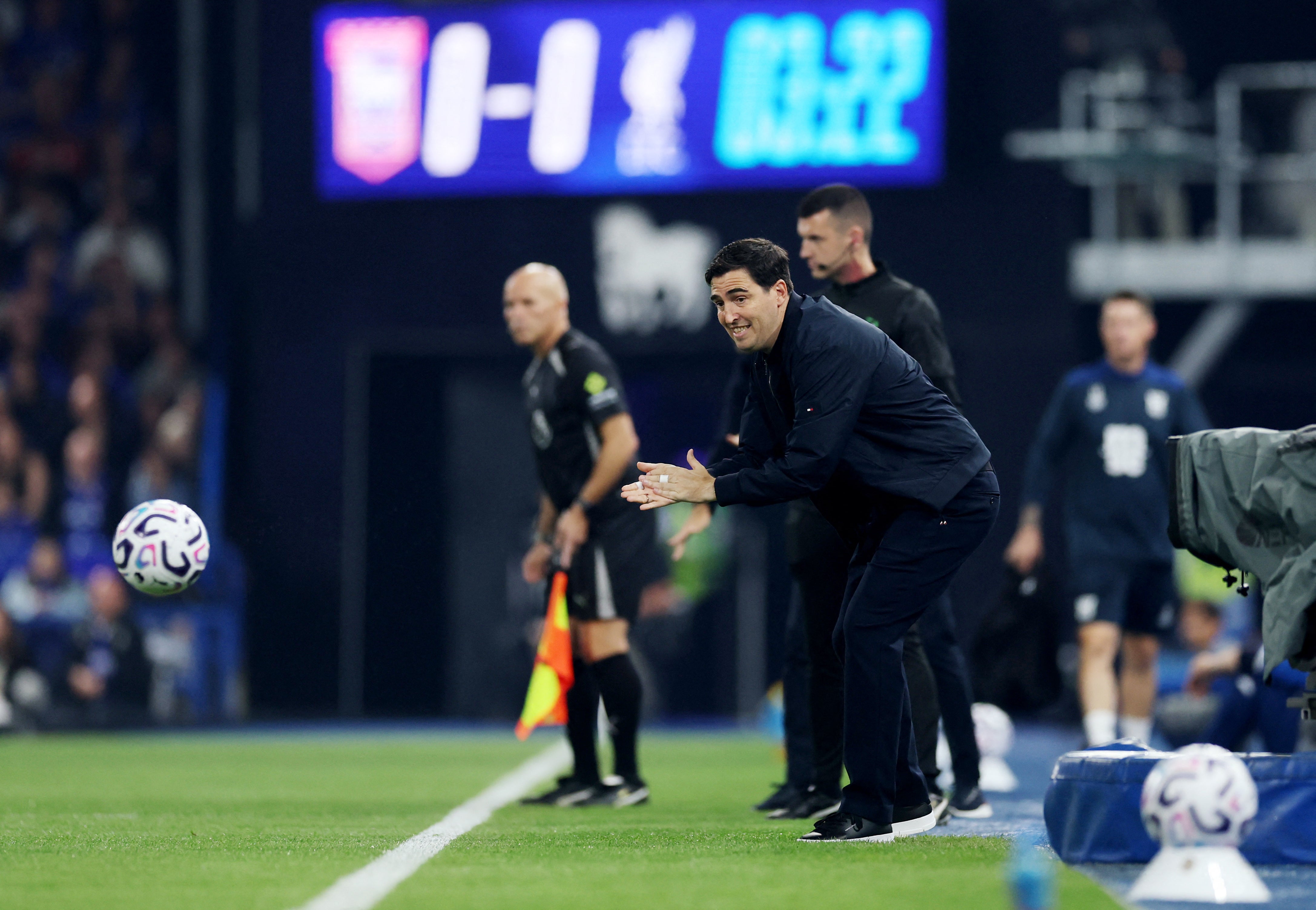
It is, meanwhile, the first season without Pep Guardiola since 2012. Might Manchester City enjoy that surprisingly common effect of a great departure and being temporarily released to go that bit further? Can Liverpool’s Andoni Iraola, in his first Champions League campaign, adapt his approach to the rigorous physical demands of this calendar?
Fatigue might work in another way. The regularity of the football almost makes it like an actual domestic league in that sense. Or, maybe more appropriately, “wallpaper football”. It’s always there, albeit wallpaper football with a lot going on, always something new to catch your eye.
You almost just have to treat it for what it is, the long build-up to the real action. It just doesn’t necessarily mean that much for how the competition will end, beyond contouring the knock-out bracket.
 open image in gallery
This is the second season where Uefa have opted for a tennis-style fixed route, but even that is subject to the pot luck of how seriously the wealthy clubs take the eight-fixture league phase.
There is even a growing sense among such sides that it might be worth saving their best teams for later on; that you’re better off being in better shape for a harder game than contributing to fatigue in order to allow a more forgiving path.
Some of this can be witnessed in the main manifestation of English power, which is how they dominate the upper reaches of this table. None have so far been knocked out in the group stage and even Tottenham, last season enduring a historically bad modern campaign, finished fourth last year.
They were not the fourth best team in Europe, as 14th-placed Atletico Madrid emphatically proved by the time they eventually met in the last 16.
One crucial element is that Spurs were at that point consumed by a relegation battle, which points to a key complication for English clubs.
The Premier League has a much steadier gradient than any other major league in terms of competitiveness – as well as the wealth of the bottom club to the top – which ensures it is more demanding.
 open image in gallery
Perhaps the greatest importance of the new group stage is how it has served as an unintentional corrective to the huge concern that is Premier League power.
That also comes amid wider football politics – relevant right up to the Fifa-Uefa cold war – where many of the biggest European clubs are constantly seeking to counter the English division’s power.
The Super League was intended to be one bulwark. This expanded Champions League serves as an alternative, since it is the one club competition that matches the Premier League’s broadcasting rights.
And so, the increase of the competition also serves as an encroachment onto the Premier League, both in terms of when games can be played and even the demands on players.
It’s similarly hard not to link that intensiveness to one other area the Premier League is inferior: stars. Real Madrid, Barcelona and PSG all have higher revenues and consequently pay higher wages, a negotiation that is further tilted by the reality that the leagues can help lengthen their careers at the top.
 open image in gallery
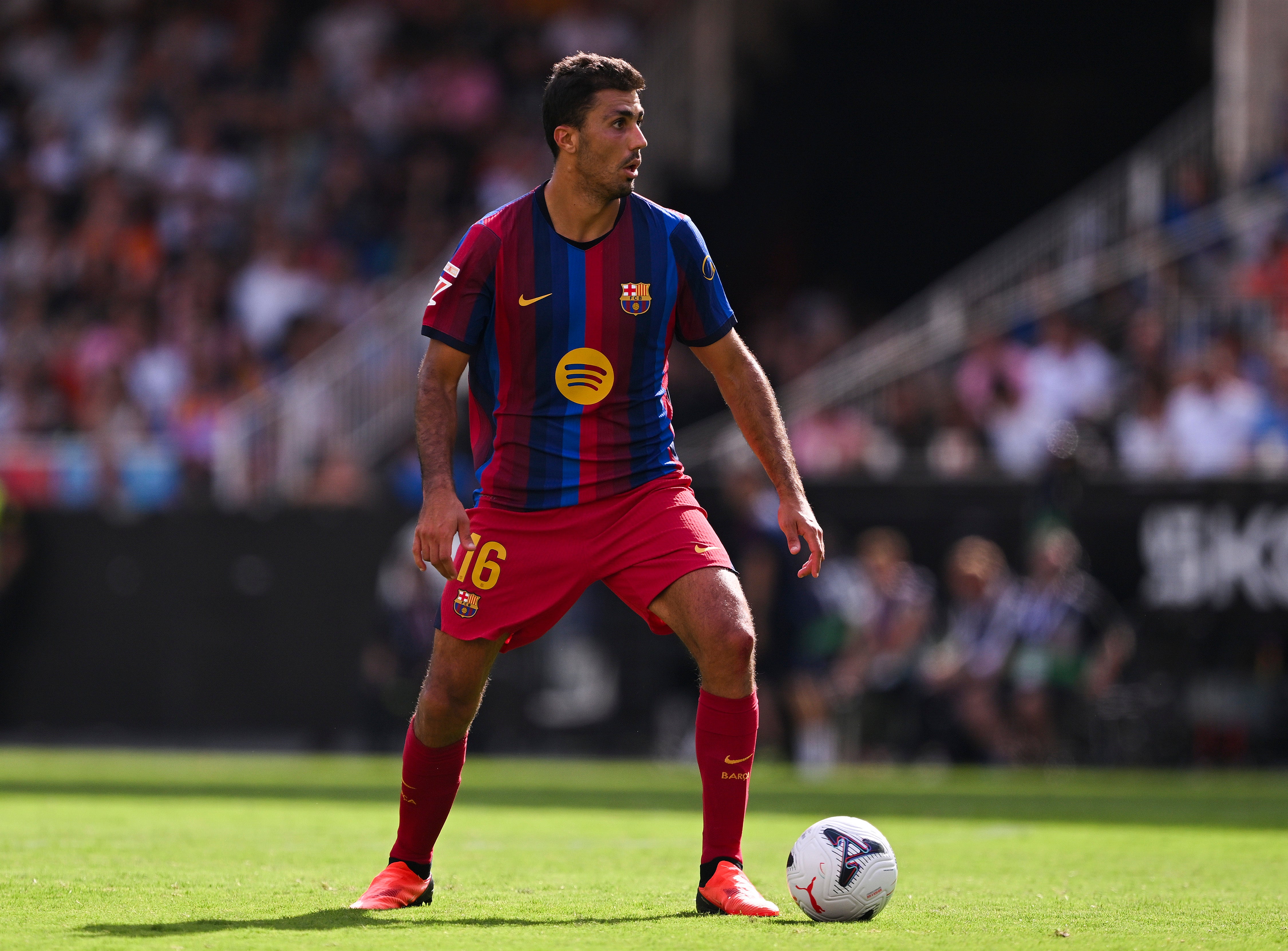
Rodri is understood to have been mindful of this on his move to Barcelona, even if he also just wanted to return to LaLiga.
That decision could end up the most influential as regards how this season’s Champions League will go – especially amid Arsenal’s failure to get that attacking star. Remarkable as it is to consider, Barcelona have not felt like a proper Champions League force since at least 2019. Lamine Yamal and Hansi Flick have restored them to respectability but the latter’s high line is commonly seen as having cost them. Rodri is an instant and almost all-encompassing solution to that. He absorbs so much.
It also means there’s that bit more to the Champions League field, one more potential winner. If it’s not PSG, though, everyone else is going to have to work out how to get around them. It’s why Arteta has spoken so much about how you raise the level of the team. PSG might have started the season badly but, crucially, in this calendar, they’re the only team that know how to finish.