


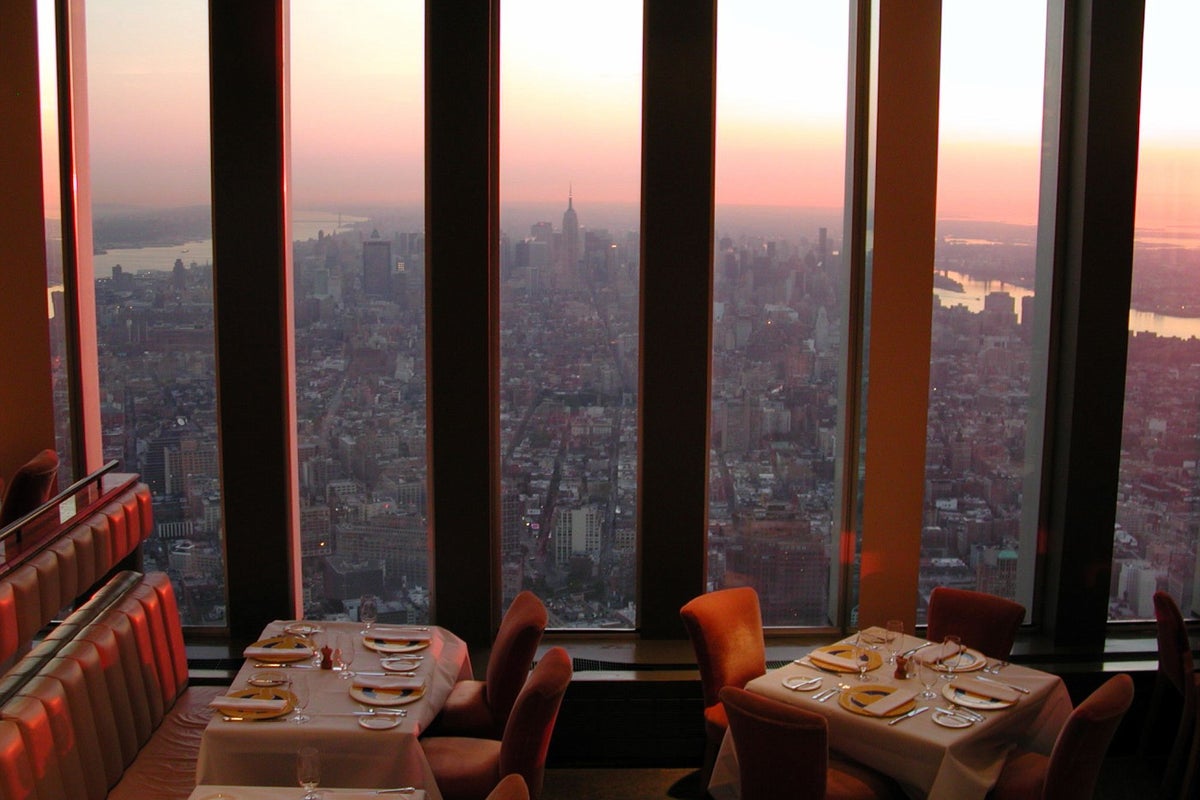
Sekou Siby was supposed to be working the morning shift on September 11, 2001. Instead, he swapped with a young co-worker from Ecuador, taking the afternoon slot.
The decision left him one of the survivors of Windows on the World, the World Trade Center’s legendary top-floor restaurant.
Now, as the 25th anniversary of the terrorist attacks approaches, the story of the venue and its staff is being retold through the eyes of the workers who made it run.
Directed by Oscar nominees Betsy West and Julie Cohen, the new documentary short “Top of the World”, airing Monday night on CNN, offers an intimate look at the fine-dining institution that operated for 25 years, 1,300 feet above Manhattan.
Getting a job at Windows on the World, the country’s highest-grossing restaurant packed with celebrities, tourists and New York power brokers, was seen as a coup among those recently arrived in the United States.
 open image in gallery
 open image in gallery
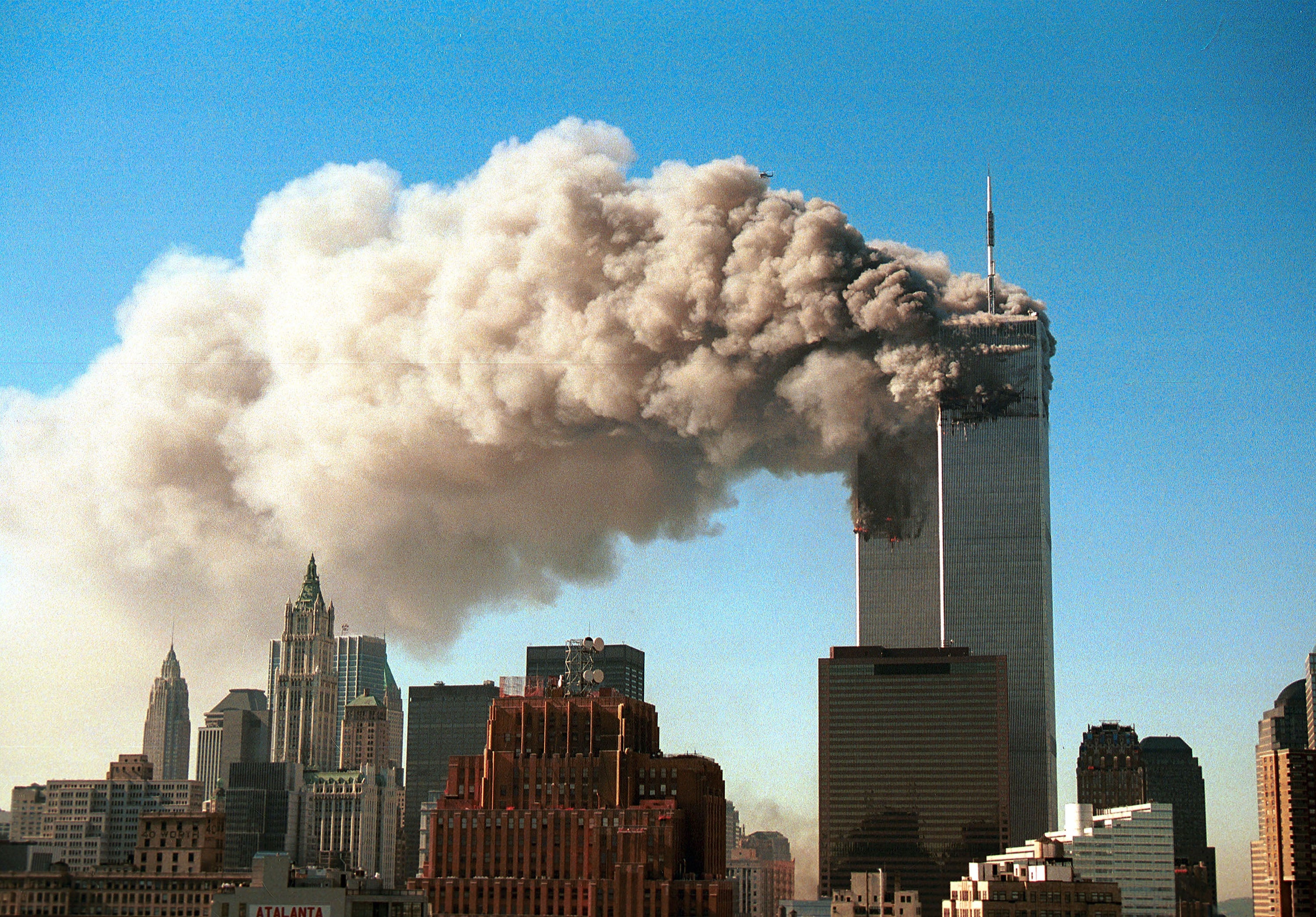
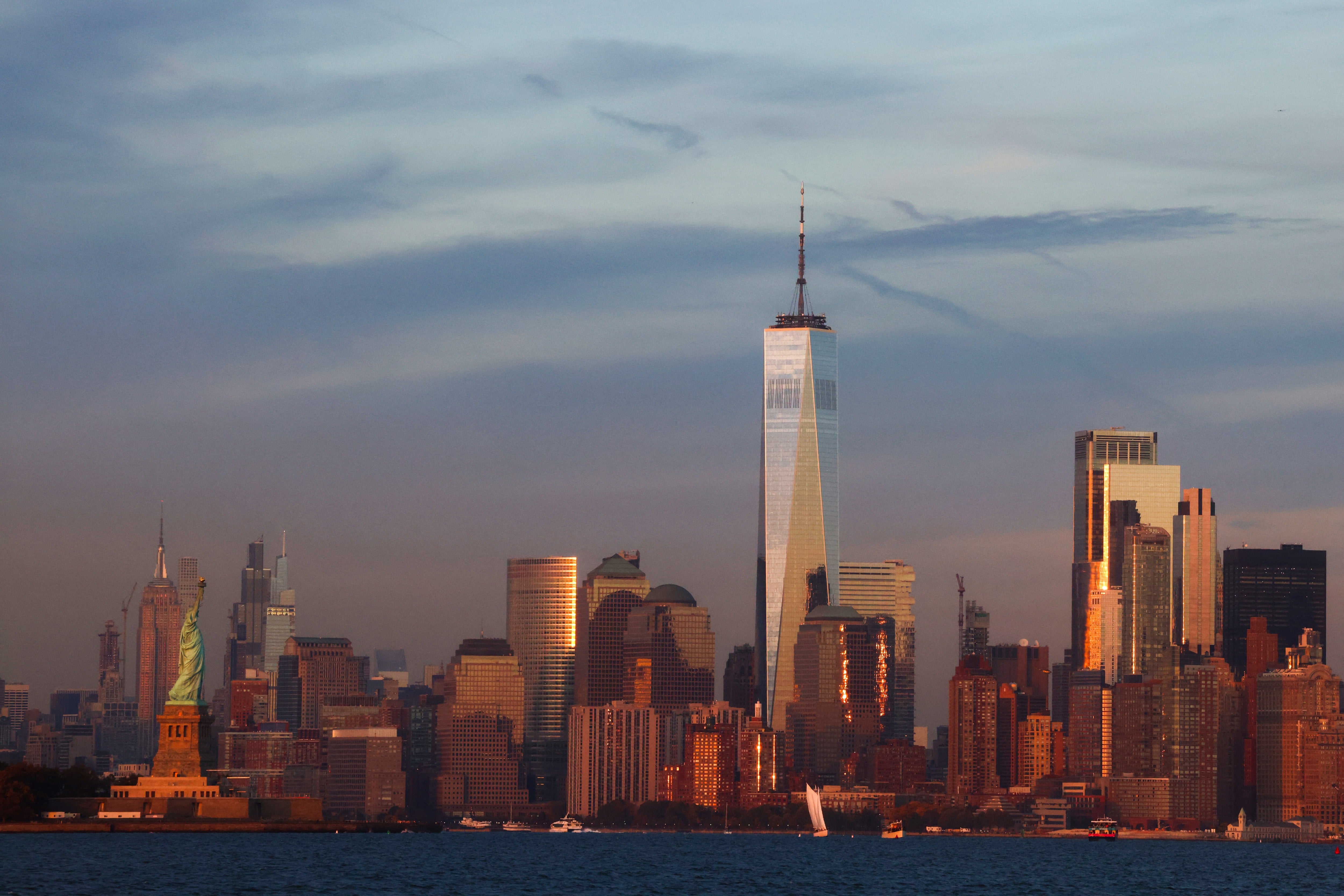
When American Airlines Flight 11 struck the North Tower between floors 93 and 99, all escape routes below the restaurant were instantly severed. Of the nearly 3,000 lives lost across the country that day, all 170 people at the restaurant died – 79 employees and 91 guests.
For the surviving staff, the legacy of Windows on the World rests not on how it ended but on the workplace culture they created for 25 years before that tragic day.
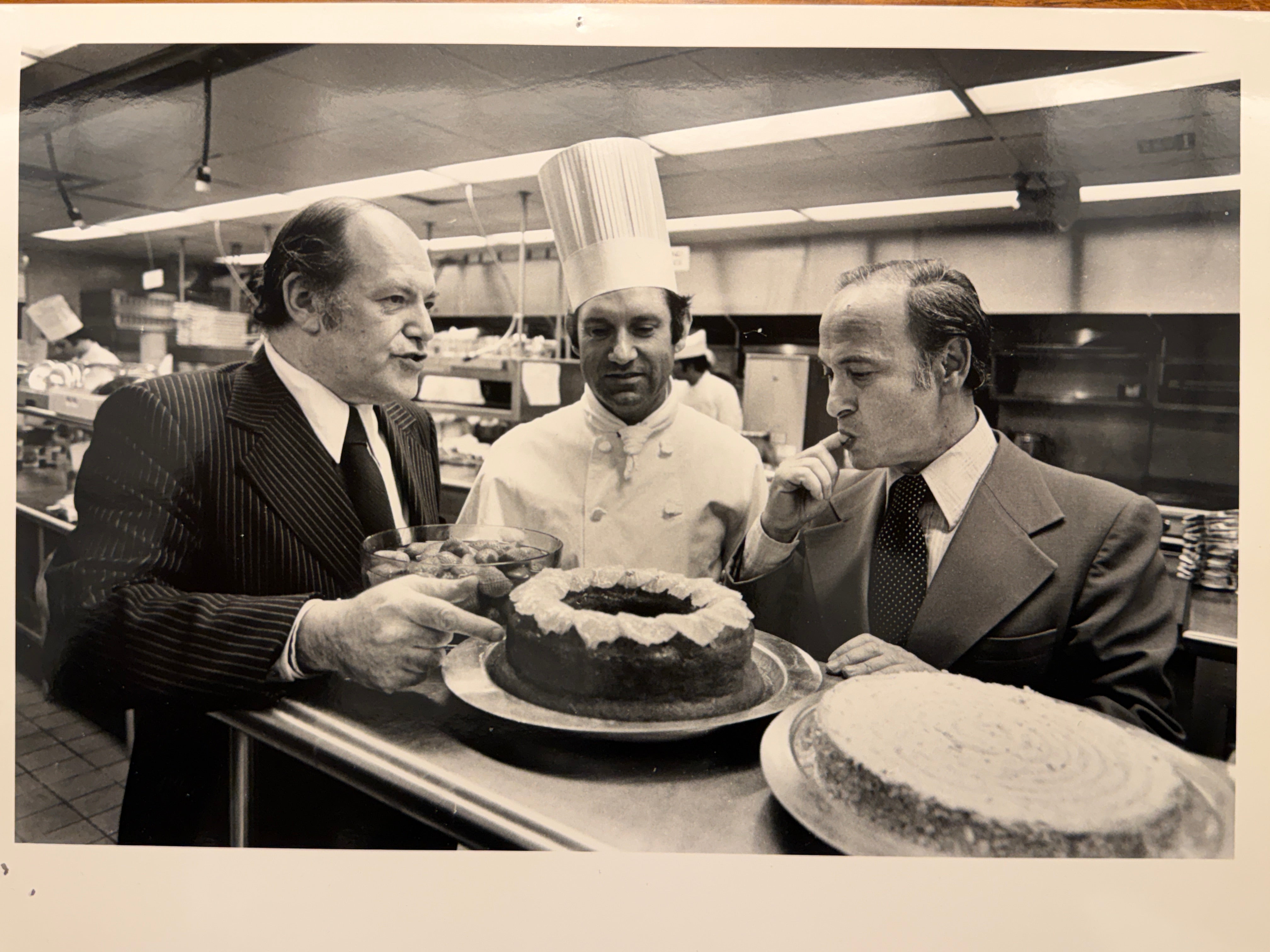
Conceived by renowned restaurateur Joe Baum to help revitalize a financially struggling New York in 1976, Windows on the World quickly became a cultural landmark.
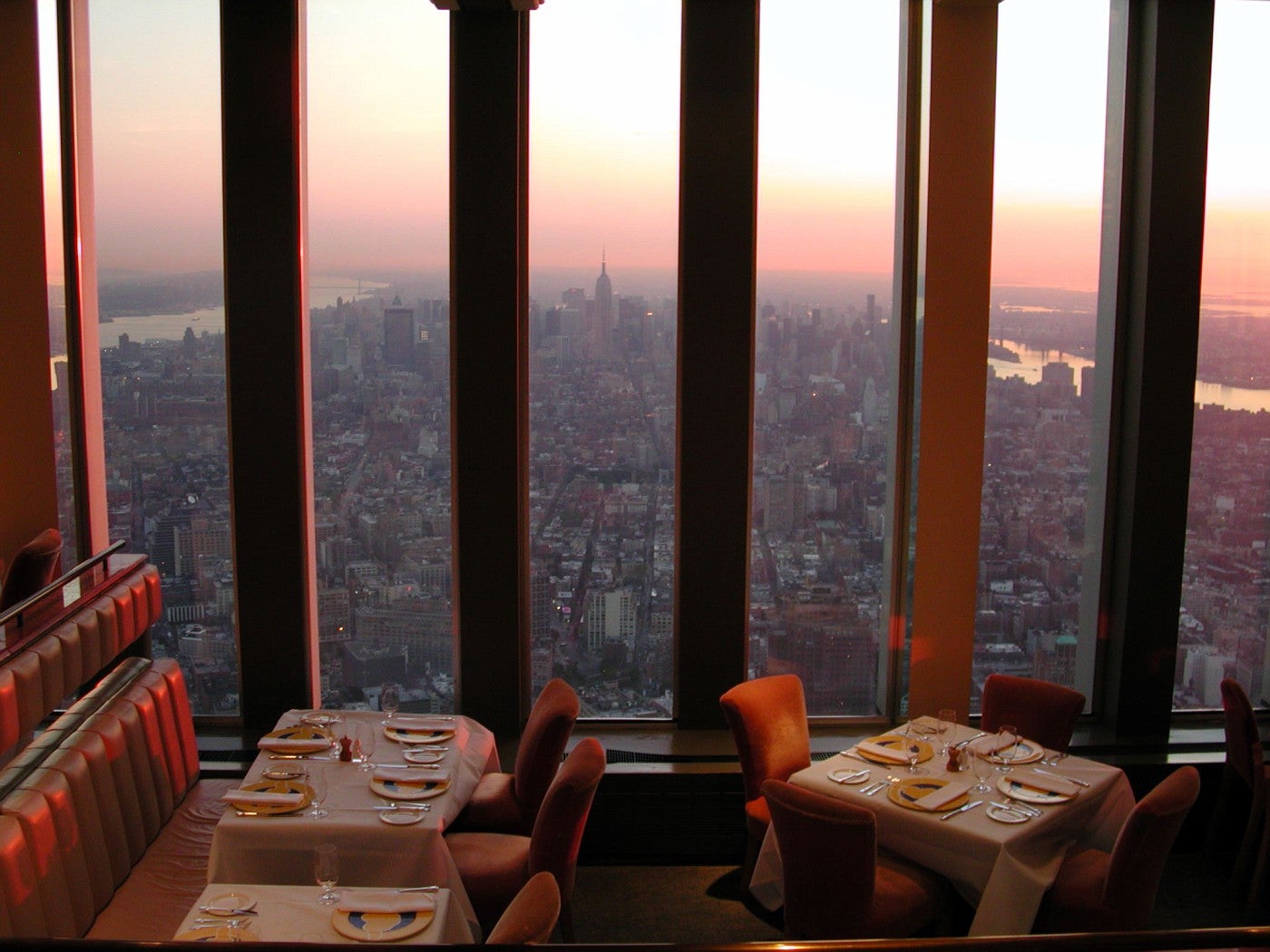
Occupying the 106th and 107th floors of the North Tower, the restaurant functioned as a quarter-mile-high theater, brought to life through design work by architect Warren Platner and Milton Glaser, the revered graphic designer behind the “I Love New York” logo.
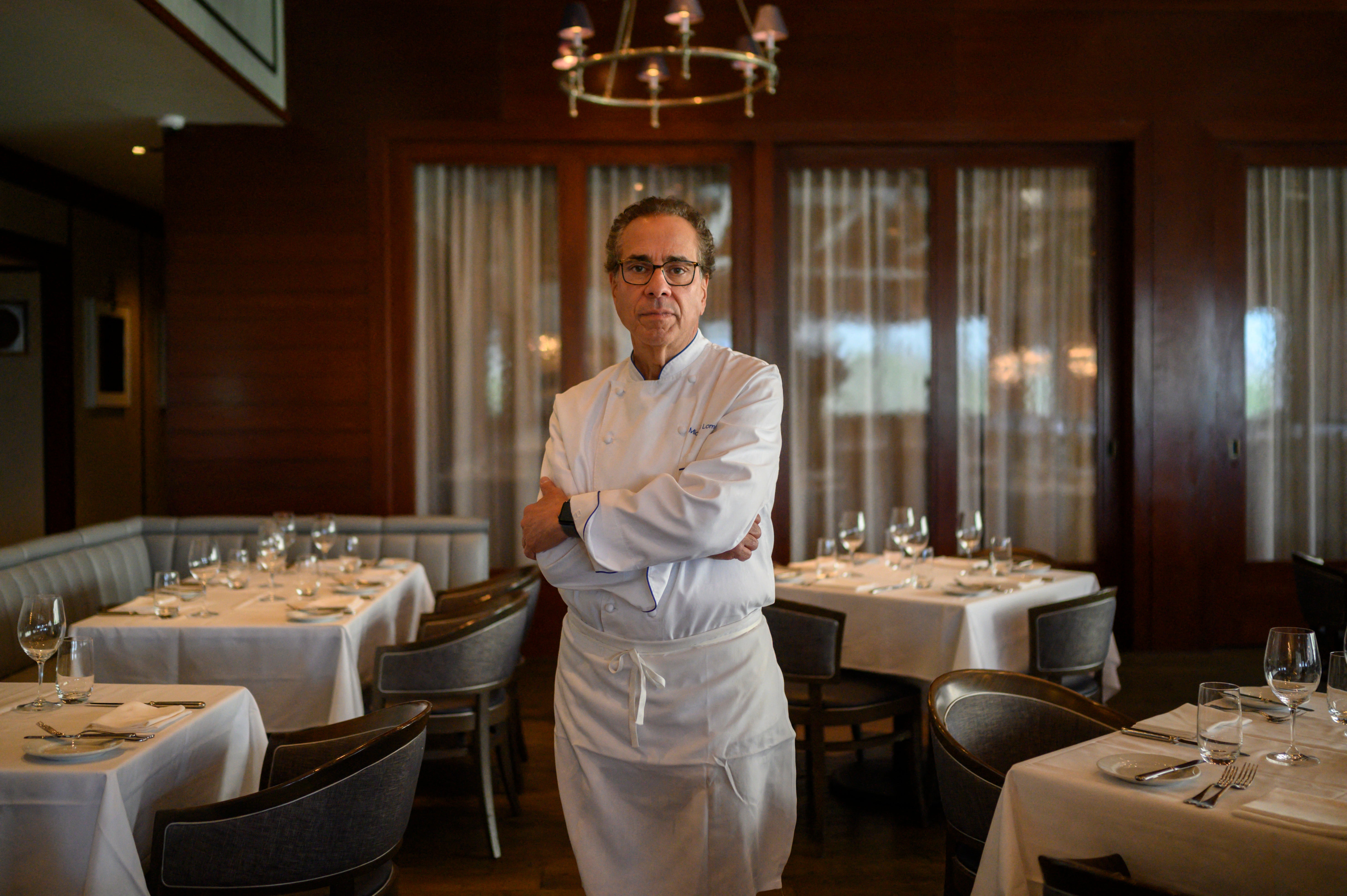
Anchored by a 107th-floor bar, a glass-enclosed “Cellar in the Sky” and a menu refined by head chef Michael Lomonaco, the venue generated more revenue than any standalone restaurant in the nation.
 open image in gallery
“Everybody knew what Windows on the World was, right there at the top of the World Trade Center,” Lomonaco says, during the CNN Films and TIME Studios short film. “We were the highest-grossing restaurant in America. It was glamorous.”
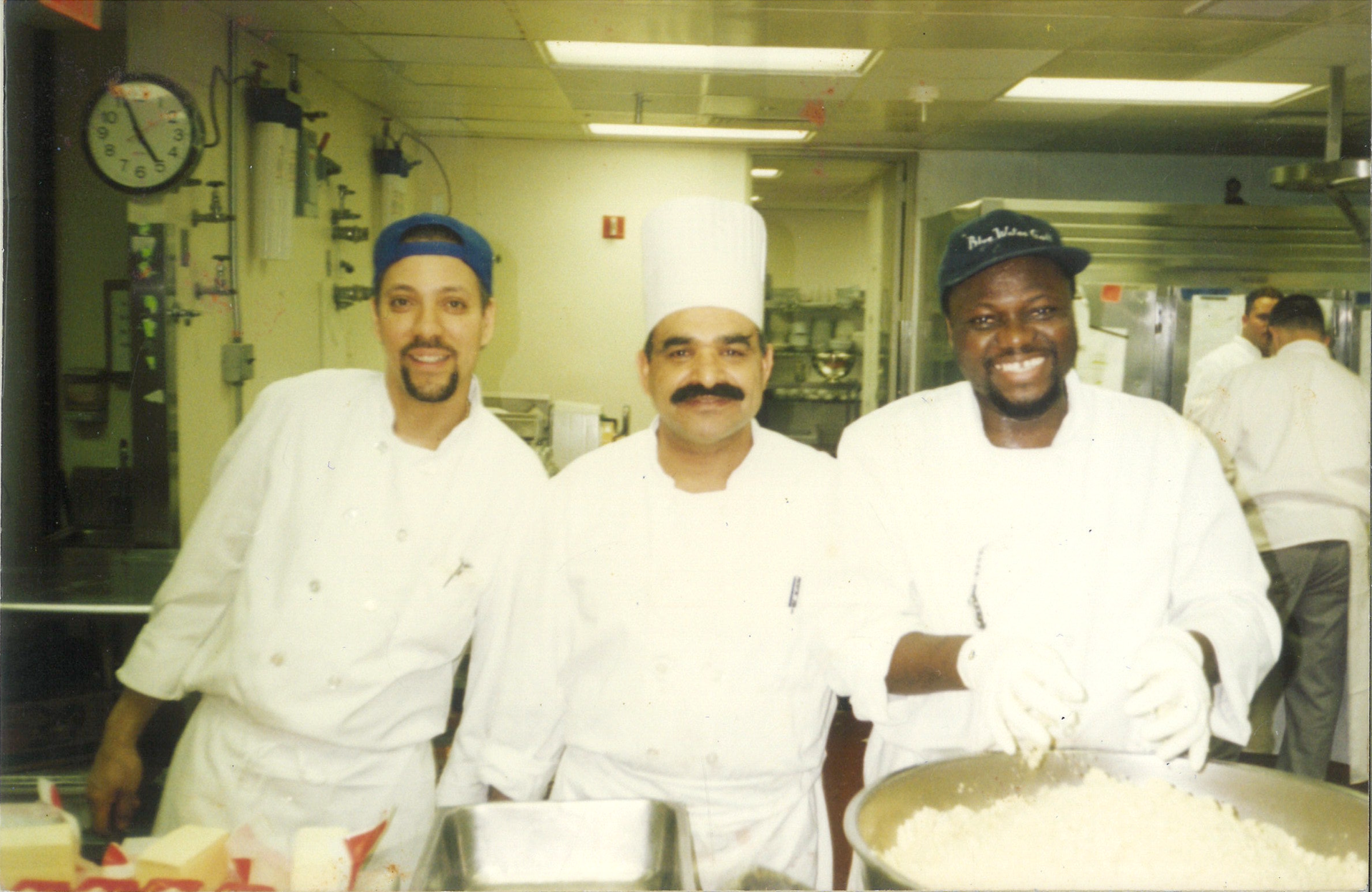
The workers came from more than 60 countries — Ecuador, Mexico, Peru, Ghana and Bangladesh, to name a few. For many, Windows on the World was their first real foothold in America. The restaurant’s 450 employees built a tight-knit community. They picked up phrases in new languages, joined for soccer matches on days off and explained cultural traditions to one another — like why Muslim staff fasted during Ramadan.
“We’re all children of immigrants, whether it’s this century or two centuries ago,” Lomonaco says. “The immigrants who worked at Windows, I mean, they came from all over the world-and they found a job in the most glamorous, glorious place in New York City.”
 open image in gallery
Siby came to the United States from the Ivory Coast in 1996 when he was 31 years old. “I thought, America is really the country of freedom,” Siby recalls in the film.
He got his start through his roommate, Abdoul Karim Troare, a fellow West African immigrant who was a banquet cook at Windows on the World. Troare helped him land a job as a prep cook, where Siby spent his early days peeling carrots, potatoes and, at times, 200 pounds of onions, until his eyes burned.
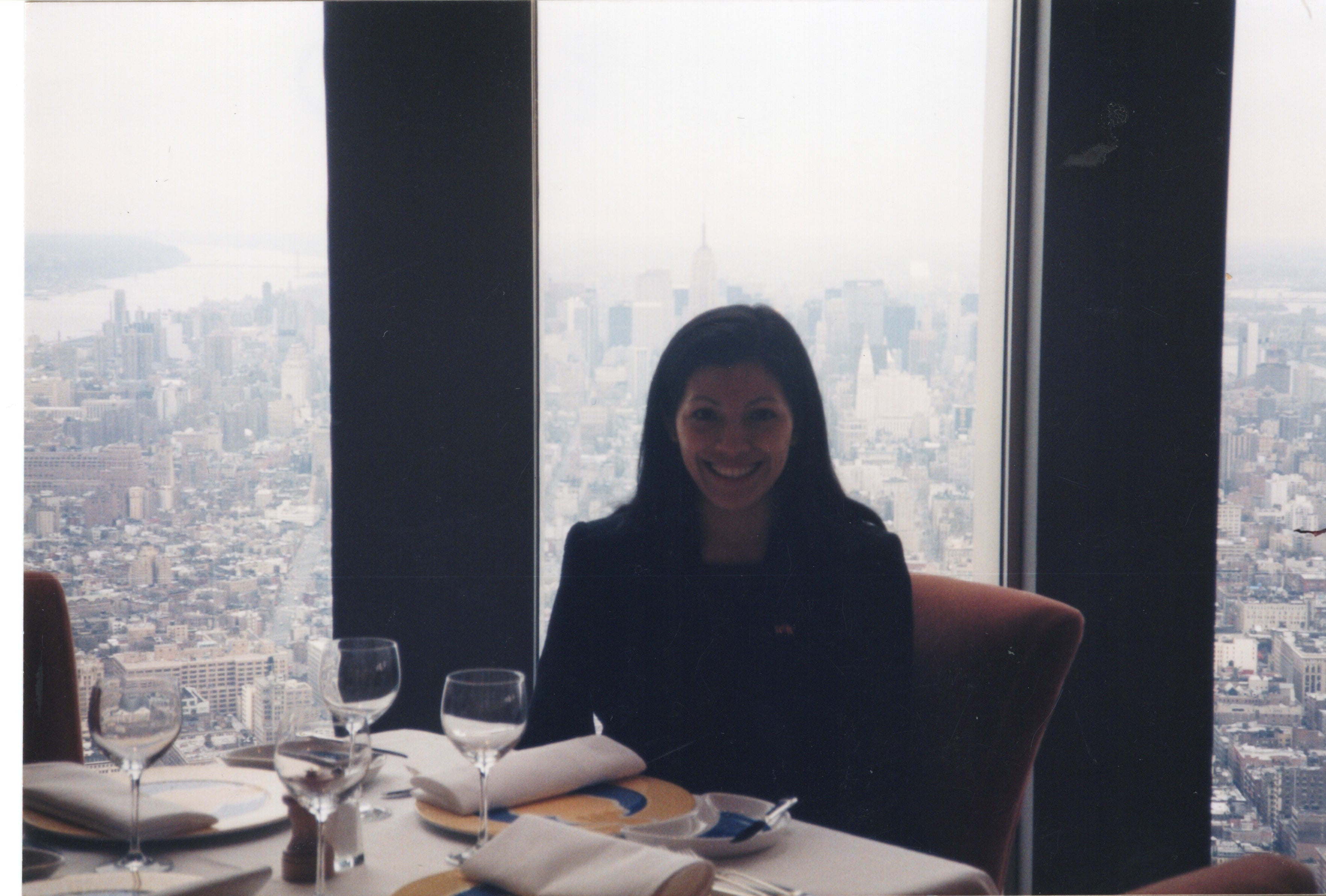
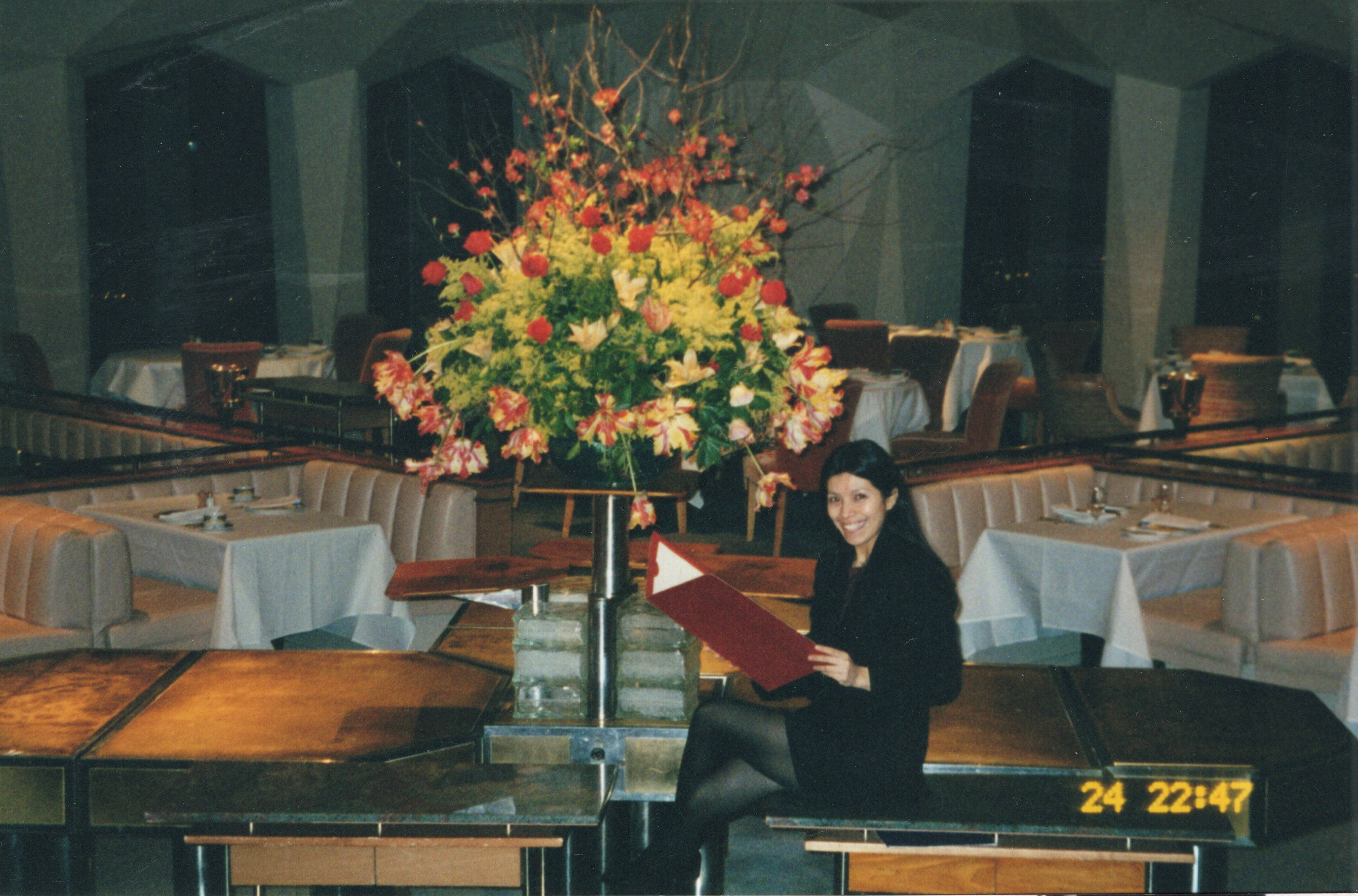
On the floor, hostess Nathalie Tolentino saw life at the restaurant from a different angle. After studying hotel management in Peru and moving to New York with her family to escape political violence, she landed a job as a hostess at Windows on the World. Her exceptional work ethic soon led to an offer from ownership for a management role.
 open image in gallery
The film opens on archival home video of Tolentino giving her grandmother a tour, in Spanish, through the dining space, showing off the floor-to-ceiling views the restaurant offered.
“For me, coming from Peru, it was just learning from the best,” Tolentino says in the film. “Living in Lima was chaos, especially during the worst era of terrorism in Peru.”
September 11, 2001
On the morning of September 11, 2001, New York City shone beneath bright, clear skies. At Windows on the World, 79 staff members and 91 guests were on the 106th and 107th floors, preparing for breakfast service and a financial technology conference hosted by the London-based Risk Waters Group.
Siby was off that morning because of a shift swap. Moises Rivas, a 29-year-old cook and immigrant from Ecuador, had asked Siby to cover his Sunday shift so he could perform with his band on Saturday night without having to wake up for a 5 a.m. call.
 open image in gallery
In return, Rivas offered to work Siby’s Tuesday morning slot. Siby agreed. Rivas, a husband and father of two young children, reported to work in his place that morning.
Lomonaco also survived due to a chance delay on the lower level before heading up to the restaurant.
“I parked my car in the garage,” Lomonaco says. “There was an event that morning, a breakfast meeting. I could have easily gone up to my office, but instead I went in to the eyeglass shop to get my glasses adjusted.
“There was an ophthalmologist right there in the building on the lower level. I was sitting in the office. He had just examined my eyes, and I felt the building shake.”
Siby was at home when his phone rang. It was the wife of Troare, the friend who’d helped him land the job. She told him to turn on the TV, and he watched as smoke poured from the North Tower, where Troare, Rivas and dozens of his colleagues were working.
“The entire morning crew, all the people that you used to play soccer with, they were all gone,” Siby recalls in the film. “Why them? Why not me?”
Three weeks after the attacks, Siby’s wife gave birth to their daughter.
“Taking care of a baby helped me occupy my mind and gave me a reason why God saved my life,” Siby says.
 open image in gallery
In the days that followed, surviving staff members and management scrambled to locate missing staff and support their relatives, setting up an emergency hotline out of a temporary union office.
“We gathered as a group to identify our friends and colleagues that we lost,” Lomonaco says in the film.
Because many of the workers were immigrants, communication was complex. Tolentino stepped up to answer the phones, serving as a vital link for Spanish-speaking families calling from throughout New York and across Latin America as they searched for news of their missing loved ones.
For Siby, losing his friends shifted his focus to organizing. He went on to earn an MBA and a doctoral degree in business administration, and he helped found Restaurant Opportunities Centers United, a national advocacy group for restaurant workers.
 open image in gallery
Decades later, when reflecting on the tragedy in conversation with Lomonaco, Siby speaks to the heavy, singular trauma borne by the survivors.
“We lose all those people in one day,” Siby says. “That’s not the kind of experience that normal, regular people experience in their life.”
Lomonaco agrees, emphasizing that the absence of their colleagues remains a permanent part of their lives.
“There was nothing ever like Windows on the World,” Lomonaco says as the film closes. “There will never be anything like Windows on the World.”
The film premieres Monday, September 7, at 8 p.m. Eastern Time on CNN, airing again three hours later for West Coast viewers, before streaming the following day on CNN digital platforms.