


Forget January – September is arguably the real reset month, when the seasonal transition from too hot to function to “back to school” energy focuses the mind and makes us hungry for a new start.
This feeling can be applied just as easily to our wardrobes as it can a bigger project; September is the ideal time to do a closet deep-dive and embrace a new look. But that doesn’t have to mean splurging on fast fashion that’s likely destined for landfill the second it goes out of style and the initial dopamine hit wears off.
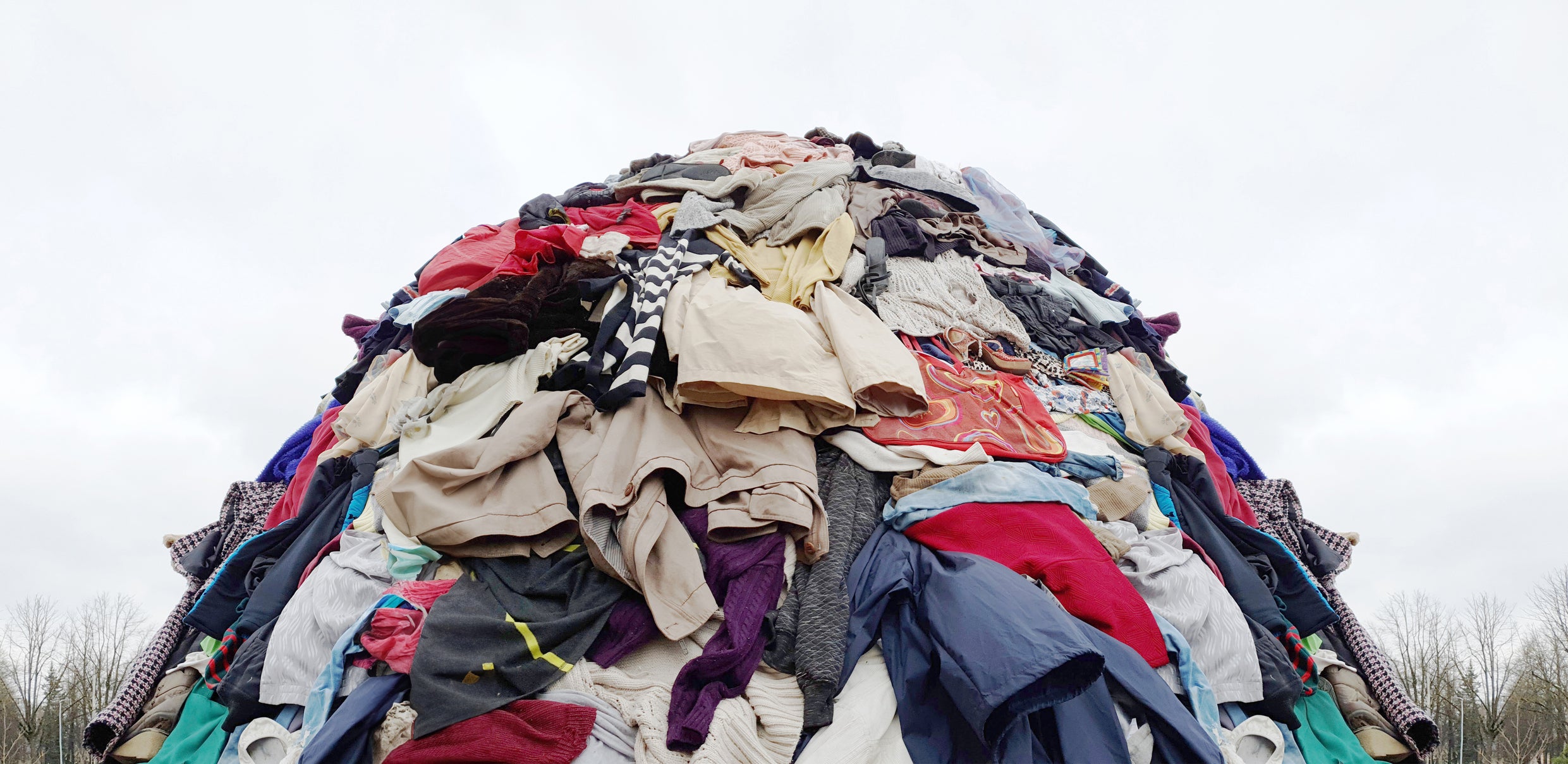
Oxfam has once again launched its Second Hand September campaign to encourage more mindfulness when it comes to clothes. It’s never been more vital to change our attitude to fashion: Britain’s unworn clothes waste enough water to supply one million people for life, according to Oxfam’s inaugural State of Style report. A third of the UK’s wardrobes have not been worn in the past year; four in 10 Brits have worn an item of clothing just once.
Almost two thirds of us (64 per cent) have bought clothes we weren’t actively looking for after seeing them on social media, shopping apps or online shopping platforms, while one in five people still throw unwanted clothes away rather than donating, repairing or reselling them.
Rather than seeing all this purely as a negative, we can reframe it as an opportunity to take stock and make better use of what we already have to transition into the new season.
Break it down
However, it can be “overwhelming” to know where to start, says Vicky Silverthorn, founder of professional organising service You Need a Vicky, which offers wardrobe organisation as one of its services. “Step one – unless you’re someone who loves putting a whole weekend aside to do your wardrobe and has got the time – I would not pull everything out at one go,” she advises. “I would aim to do a section at a time, an area of a rail or a full rail; a few shelves, maybe a drawer.”
 open image in gallery
When transitioning from summer to autumn, it can be helpful to separate out the high-summer pieces – sandals and beach cover-ups or holiday outfits, for example – and either store them away if you have separate summer and winter wardrobes, or simply put them at the back of the wardrobe, says Natasha Musson, a wardrobe consultant and stylist, while bringing forgotten autumnal staples, like ankle boots and jeans, to the fore.
Make it fun
A good way to motivate yourself can be to enlist the help of a professional or a good friend, according to personal stylist Natasha Itzcovitz. “Having someone with you can help,” she says. “People find it easier to be a bit brutal when someone else is beside them.”
She also recommends making it enjoyable, rebranding it as a fun night in, rather than another arduous chore to add to the list: “Do whatever is going to make it more fun for you, whether that’s popping a nice playlist on, or having drinks and snacks at the ready.”
Trust your instincts
From there, Itzcovitz’s top tip is to first tackle what she calls the “trouble” items in your closet. “The first place to start with a wardrobe edit would be looking at those pieces that you’re not picking up,” she says. “Usually it’s something that you’ve seen on the hanger when you’re shopping and thought looked great – and you get it home and don’t know how to style it.”
People find it easier to be a bit brutal when someone else is beside them
Natasha Itzcovitz, stylist
Consider whether there’s a way to wear it that you haven’t thought of before – different combinations or pairing it with an untried accessory selection. But, if the conclusion is simply that you don’t feel good when wearing that particular garment, it’s time to cull.
When deciding which clothes to keep and which to get rid of, the experts I speak to recommend trusting your instincts over gimmicky tactics often posted on social media (like turning hangers around and flipping them back the other way when you wear something).
“I think it’s really healthy and promotes good mindfulness for future shopping if you use your gut feeling as the answer,” says Silverthorn. “We all know deep down whether we like something, if it still fits us, if we’re going to wear it again – we just pretend we don’t.”
Holding something up, you probably “just know”, she says. It’s also good to embrace the guilt if you’ve wasted money on outfits you’ve never worn. “We should be aware of that feeling rather than ignoring it,” she counsels, “because otherwise we’ll make the same mistakes again.”
 open image in gallery
Unless you’re on a weight loss journey and want to store some things away, don’t hang onto clothes that no longer fit, advises Musson. And finding that you have multiple duplicates of the same item – five pairs of black trousers, for example – is probably a sign that some of those can be added to the “get rid” pile.
Be creative
Once you’ve edited out pieces that no longer serve you, and decided whether they’re destined for a friend, clothes swap, the charity shop, Vinted or recycling, it’s time to have some fun playing around and getting creative with what’s left in the wardrobe.
That might be throwing together unexpected clashing print or colour combinations, or it could be as simple as wearing something tucked in to create a sharper look, according to Itzcovitz.
“Sometimes it’s the simplest of things – people will have something with a stack of buttons and they won’t realise that they can open it up, or that a simple roll on denim can transform a pair of jeans,” she says. She recommends trying on full looks and taking pictures so you remember which ones worked as you go.
Looking for inspiration? Social media can be a helpful tool; Silverthorn flags an Instagram account called styleformula.daily that throws together different colour combos to demonstrate how they can create a totally different feel.
We all know deep down whether we like something, if it still fits us, if we’re going to wear it again
Vicky Silverthorn, personal organiser
Embracing layering for this transitional time of year can also be a means of invigorating your look. “Especially as the weather’s so changeable, it’s nice to have layering pieces that we can peel on and off – layering outfits is also what makes a look kind of unique and cool,” recommends Itzcovitz. She gives the example of wearing summer pieces in winter in a different way: a strappy summer dress with a shirt underneath, or throwing over a knit or cardigan.
Shop what you’ve already got
Musson is a big fan of looking at what seasonal trends are in and rummaging through your existing wardrobe to see what you already have that hits the mark.
“After you’ve done some styling, I would do a little bit of research on what things you like at the moment; there’s some really interesting colour combinations, like plum with pink, or butter yellow with grey,” explains Musson. Lime chartreuse green was big in spring/summer – “If you’ve got anything like that in your wardrobe, you can mix it with chocolate brown or aubergine, which looks really good and autumnal,” she adds.
Even embracing “in” colours with small nods can transform an outfit. Musson highlights cobalt blue as being big for autumn, and recommends throwing a pair of cobalt socks on with brogues. Adding a scarf, belt or necklace can also do wonders when it comes to making an outfit look finished and sharper.
Repair and rejuvenate
There are also techniques for reinvigorating your well-loved clothes rather than chucking them. Silverthorn’s top tips are to get a jumper debobbler (available from around £20) to freshen wool garments, and to use a product like Biorestore, which makes precision laundry re-tergent treatments designed to breathe new life into clothes.
Love an old item with a hole or tear in it? Consider taking it to a tailor or seamstress, or repairing it yourself using an interesting patch or swatch. Plus old favourites that feel tired can be revitalised with some bespoke adaptations or upcycling – it could be adding a strip of lace to the bottom of a skirt, or as simple as threading a ribbon through the weave of some knitwear and tying a bow for a pop of whimsy, suggests Itzcovitz.
Take storage seriously
The final step is to store clothes in a way that makes you feel excited about wearing them again. Silverthorn is a big fan of file folding, a technique popularised by Japanese organisation master Marie Kondo, which enables you to view all the items of clothing in a drawer at once.
For wardrobe items, these can be hung according to length and item – long sleeves or dresses together, for example – and/or colour, say the stylists. Alternatively, it can also be helpful to put complete outfits together on one hanger, including accessories, for the week ahead. Even removing excess hangers or making sure your existing hangers all match can create a sense of space and cohesion that makes getting dressed feel like a treat.
“It’s whatever organisation feels right to you,” says Itzcovitz. “It’s got to be done in a way that you’re going to want to pick it up and wear it.”