


AdvertisementC-Suite Content HubBusiness
A Prevention Prescription for Hong Kong
BySCMP C-Suite4-MIN READ4-MIN Listen

Jolene OtrembaPublished: 5:00am, 7 Sep 2026
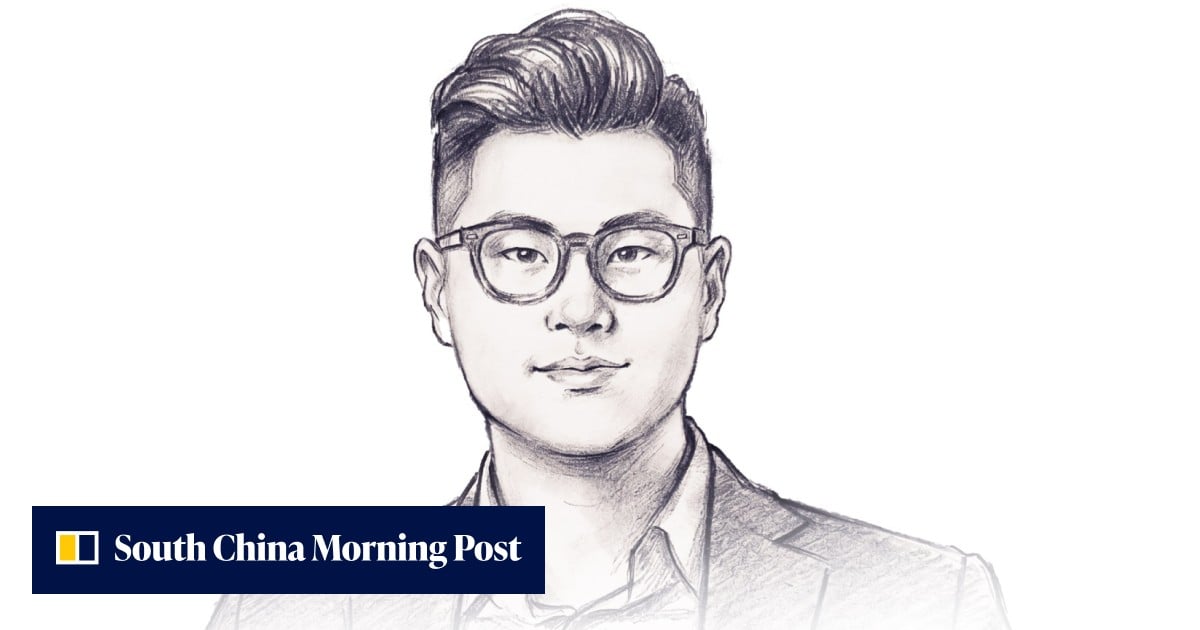
Roche Diagnostics Hong Kong general manager Ronald Lo is pushing the city beyond reactive medicine towards a prevention-led system powered by automation, AI and empowered patients.
For Ronald Lo, diagnostics are about time.
Time gained through early detection. Time saved by avoiding unnecessary treatment. Time extended for patients who might otherwise run out of options.
Since becoming general manager of Roche Diagnostics Hong Kong in 2022, Lo has pursued what he calls his “dream” for the city: shifting healthcare away from a treatment-focused model towards one that prioritises prevention. After more than 25 years in the diagnostics industry, he believes Hong Kong now has both the urgency and the tools to make that transition real.
“We wish to support Hong Kong to move out from an extreme-acute-treatment-based healthcare system to a prevention-led healthcare ecosystem,” he says. “That is always my wish, every day.”
In Lo’s view, diagnostics is no longer a backstage laboratory function. It sits at the centre of how healthcare systems manage cost, improve outcomes and reshape the patient journey from crisis response to early intervention.
Changing the Game
“Moving from the reactive acute-treatment base into a more proactive base healthcare system is always our wish,” Lo says. “Early diagnosis is always important.”
The consequences of late detection, he argues, extend far beyond financial strain. By the time many conditions are diagnosed at advanced stages, progression may be irreversible. The cost is borne not only by hospital budgets but by patients and families confronting pain, anxiety and diminished quality of life.
“The value of diagnostics is not only just to do the test,” Lo says. “It is also linked to the health and economy system.”
He points to heart failure, where earlier cardiomarker testing can allow patients to leave hospital sooner, easing bed shortages and lowering costs. In oncology, earlier molecular testing can guide targeted therapies and avoid ineffective treatments. In diabetes – one of Hong Kong’s heaviest healthcare burdens – timely HbA1c testing can alter the long-term trajectory of disease.
Sometimes, he notes, prevention means avoiding treatment altogether. “Sometimes it’s not necessary to have a treatment,” he says. “It could mean just changing their lifestyle a little bit.”
Covid-19 was a turning point. The pandemic placed extraordinary strain on healthcare systems, but it also elevated public awareness of diagnostics. Roche supplied the first batch of molecular Covid-19 testing reagents to Hong Kong’s Hospital Authority, an experience Lo describes as both demanding and deeply meaningful.
“Covid itself was really a healthcare challenge to the system,” he says, “to test out the overarching healthcare resilience.”
The crisis also demystified laboratory science. “Before this, no one knew what a PCR was,” Lo recalls with a smile. “But now everyone knows.”
That shift in understanding has opened the door to broader conversations about how diagnostics can shape healthcare beyond emergencies.
Shaping Tomorrow
Lo believes Hong Kong’s policy direction is increasingly aligned with prevention. He cites the government’s Primary Healthcare Blueprint and Chronic Disease Co-Care Programme as evidence of a growing recognition that early screening and community-based care are essential to sustainability.
“The direction has turned from the reactive to the proactive to a more prevention-based healthcare system,” he says.
Technology is accelerating that shift. In today’s advanced laboratories, Roche can integrate multiple chemistry, immunology and molecular diagnostics platforms into one automated system, and each platform can process up to 6,400 tests an hour. Robotics now transport and load blood samples with minimal human handling, to reduce errors and turnaround time.
Mass spectrometry, once considered highly specialised, has been introduced into routine workflows in Hong Kong, capable of analysing molecular markers at speeds that would have been unimaginable earlier in Lo’s career.
Yet he insists that machines alone are not transformative. “Digital and data will be extremely important,” he says. “Now data is equal to cash and equal to the brain.”
Artificial intelligence (AI) is layered onto traditional biomarkers to enhance predictive power. In liver cancer screening, combining classic tests with additional markers and digital algorithms can significantly increase the ability to identify patients at highest risk.
Lo’s vision extends beyond the laboratory walls. He describes a value chain shifting “from hospital to home… to home prevention”.
One example is Roche’s AI-enabled continuous glucose monitoring system for diabetes patients. A person living with diabetes may make hundreds of daily decisions related to blood sugar management. With AI support, the system can anticipate dangerous lows and prompt preventive action before symptoms occur.
“If you can have this AI-enabled system to help them, that really can change their life,” he says.
He sees informed patients as a strength rather than a challenge. In an era when people routinely search their test results online or consult AI tools, Lo believes empowerment can drive better engagement.
“The more knowledgeable people are, the more they will have the ability to care for themselves,” he says.
Lessons That Last
Despite overseeing advanced technologies, Lo’s leadership philosophy is deliberately simple.
“How you lead yourself demonstrates how you lead your team,” he says. “And this shows how you would lead the wider organisation.”
His own career began as a medical laboratory technologist before expanding into regional roles across Asia, including a transformative stint in South Korea during the pandemic. Titles matter less, he says, than purpose and humility.
“If you do the right things at the right time for the right segment or right person, then the revenue will come,” he says.
His urgency remains anchored in human experience. He recalls struggling to draw blood from a cancer patient whose veins had been damaged by chemotherapy.
“All that patient wanted was to have a few months more to live,” Lo says quietly. “That’s why time matters.”
Innovation, he acknowledges, requires investment, regulatory alignment and proof of economic value. But speed matters. Delayed adoption means delayed benefit for patients who may not have the luxury of waiting.
“No matter how wonderful innovation is, if you cannot bring it through the right access to the patient, there is nothing,” he says.
Asked how he hopes to be remembered, Lo does not speak of market leadership or technological milestones. He hopes simply to be seen as one of the contributors who helped move healthcare closer to prevention.
“I really love IVD,” he says, referring to in vitro diagnostics. “That’s it.”
In a city where hospitals have long been the focal point of care, Ronald Lo is arguing that the future lies elsewhere – in earlier tests, smarter data, connected systems and empowered patients who never need to be admitted at all.
AdvertisementAdvertisementSelect VoiceSelect Speed00:0000:001.00x