


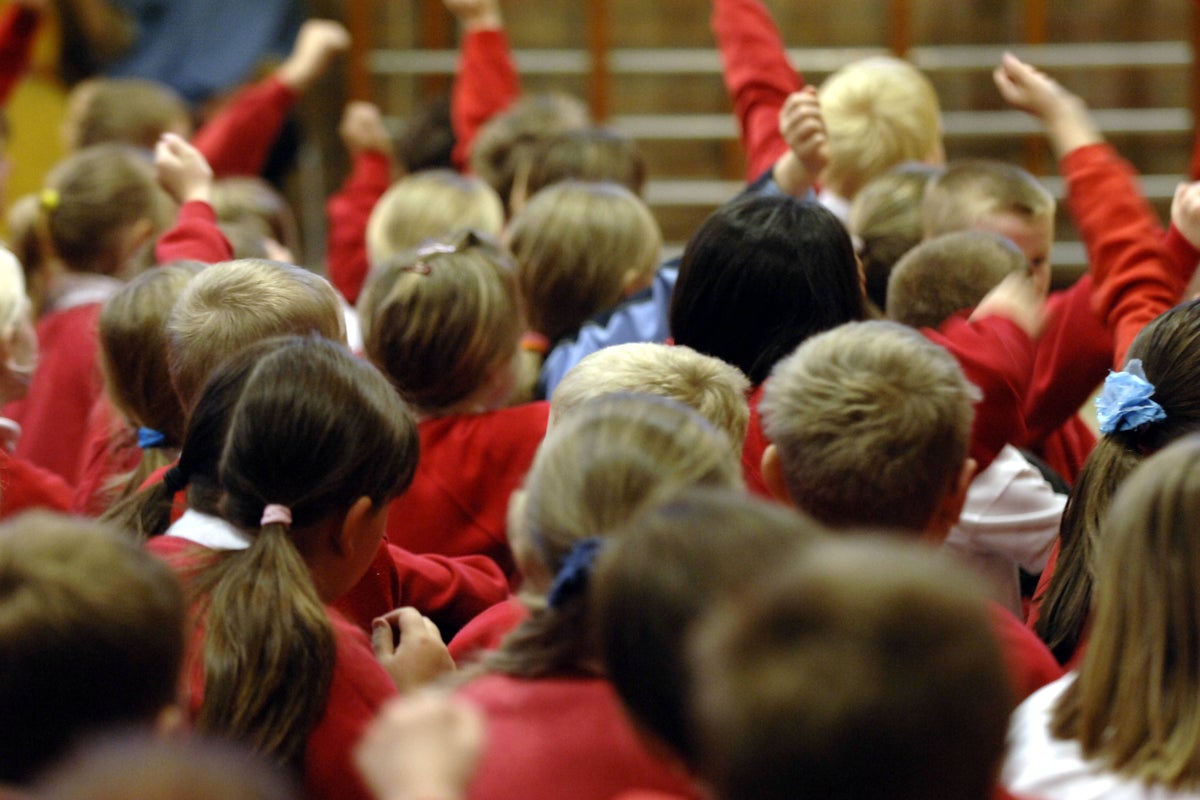
Police forces and online safety watchdogs across the UK are urging parents to think twice before sharing back-to-school photos on social media.
The warnings build on a campaign by Sussex Police, which demonstrated how everyday family snapshots can be exploited using artificial intelligence tools to construct harmful, fake images.
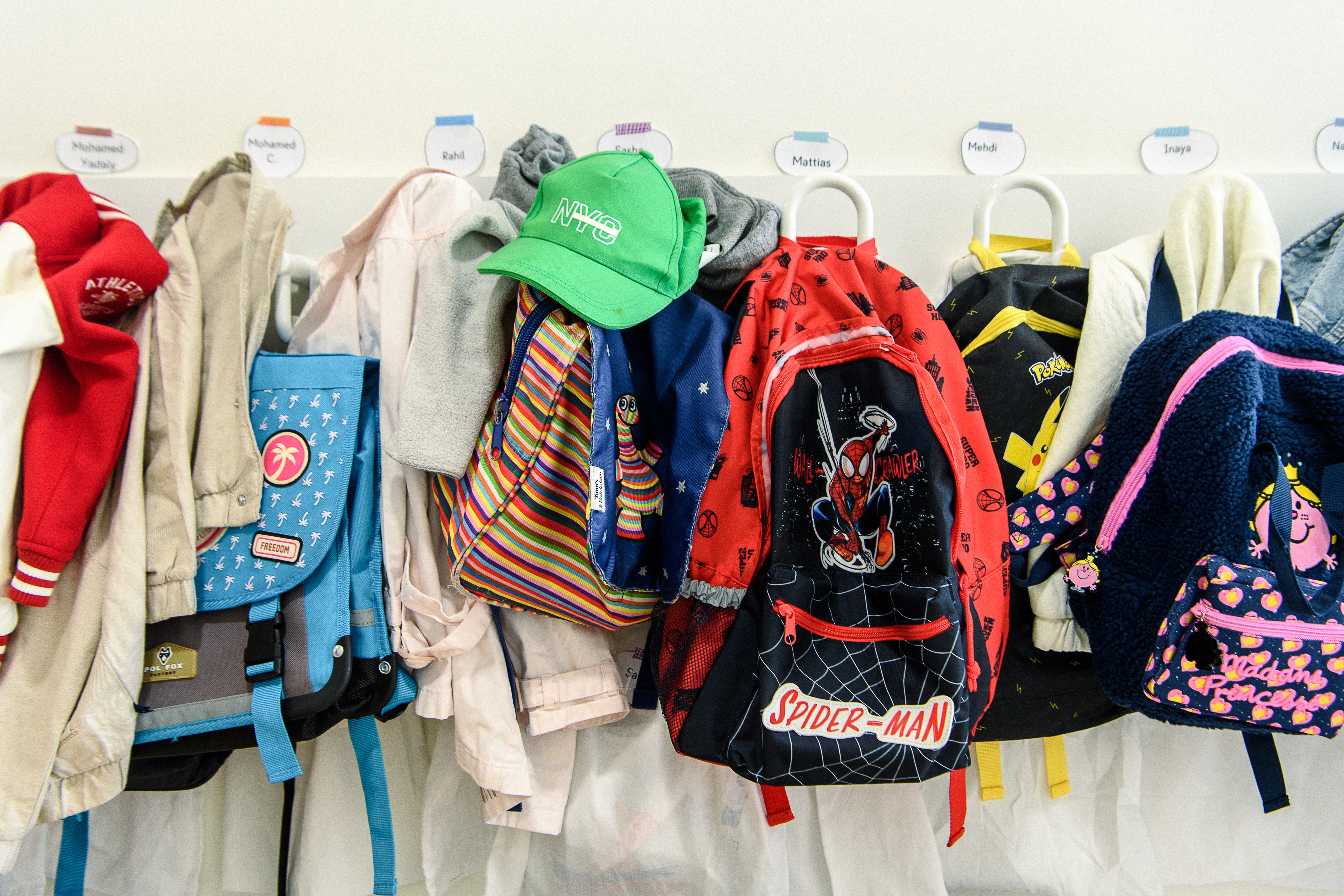
Safety experts warn that simple details in a photo — such as street signs, house numbers, license plates, or names embroidered on uniforms — can easily reveal a family’s exact address and routine.
Detective inspector Tom Lowe of Guernsey Police has explained that officers do not want to stop parents from capturing milestones, but rather help them spot the hidden risks before posting online.
 open image in gallery
The inspector told The BBC that social media has made it easier for people with “malicious intent” to pick up on identifying information.
Lowe noted that a single snapshot often contains dozens of minute data points that malicious individuals can track and piece together over time.
Similarly, a joint advisory issued by data protection authorities across Guernsey, Jersey, and the Isle of Man highlighted that artificial intelligence has made it significantly easier to misuse public photographs.
Guernsey data protection commissioner Brent Homan warned that the abuse of AI image systems to generate non-consensual deepfakes is not limited to celebrities or politicians — the threat is increasingly affecting everyday people.
 open image in gallery
Rachel Masterton, deputy data protection officer at the ODPA, explained that small details like a parent’s name on a coffee cup can give an offender enough information to manipulate a child’s trust.
She added that posting photos of children heading off to class can accidentally signal to burglars that a property is empty, while visible clues in the background can expose private passwords.
The warnings come amid heightened national concern over the impacts of generative artificial intelligence, following recent reports revealing a sharp rise in AI-generated child sexual abuse material (CSAM).
In response to the surge in synthetic abuse content online, recent UK legislative measures have moved to criminalise AI “nudification” tools and dedicated image-generators.
 open image in gallery
Child safety organisation, Internet Matters also urged parents to pause and review privacy settings before publishing, recommending the removal or cropping of identifying backgrounds, school logos, and street signs.
Public guidance published by Internet Matters further warns against using “chalkboard stats” — such as age, school year, or favourite activities — in public posts, which can hand bad actors detailed profile information.
While authorities have stressed that parents need not avoid sharing milestones altogether, families are urged to restrict privacy settings and verify that all identifying background details are removed before uploading.