


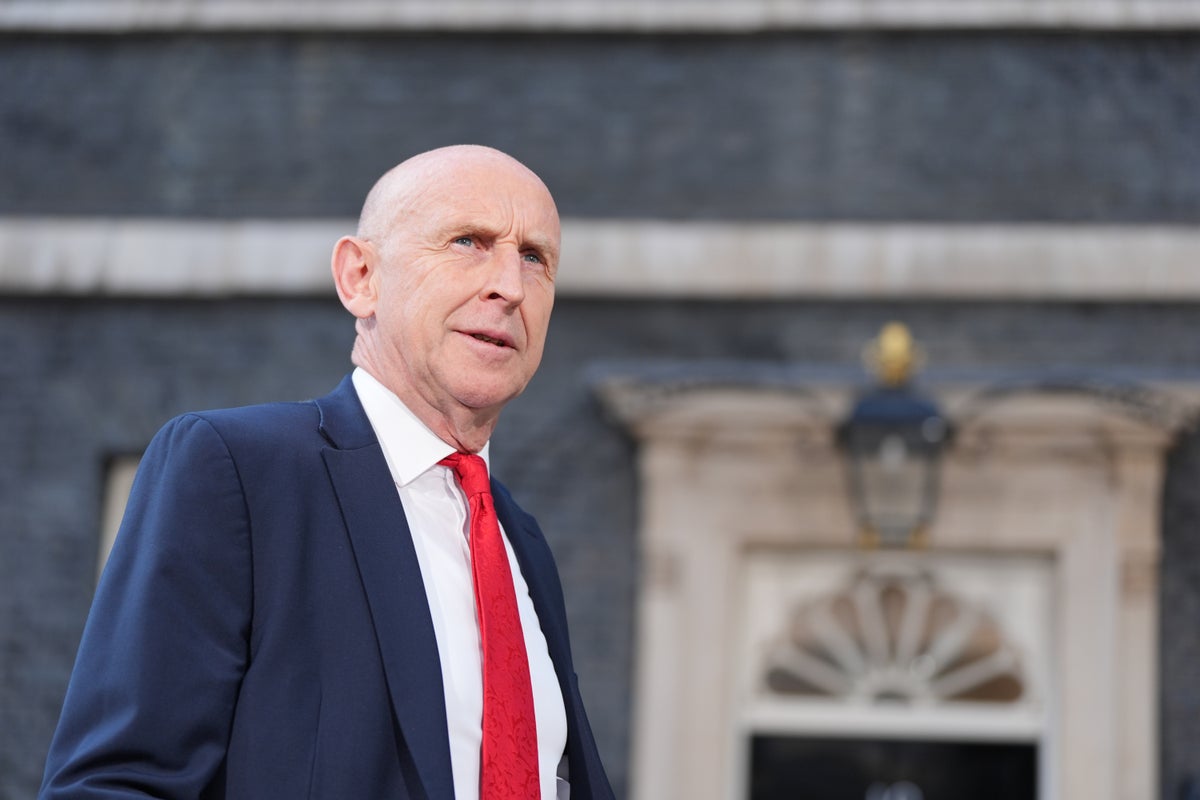
The upcoming autumn Budget is expected to be tough, the chancellor has warned, as the US-Iran war continues to cripple the economy.
John Healey issued the warning following the leap in government borrowing earlier this week, reflecting concerns among lenders about the inflationary impact of Donald Trump’s war with Iran.
However, Mr Healey also told the Financial Times he would ensure the UK emerges from his first Budget on October 28 with a solid “buffer against uncertainty”.
The chancellor told the FT: “What’s happening in the Middle East is hitting inflation, it’s hitting growth, it’s hitting borrowing costs.”
He added: “It’s part of a more dangerous world that is more uncertain and it’s one of the challenges we have to meet in this country, but have to meet with other [countries].”
 open image in gallery
Economists have predicted that the fiscal buffer Rachel Reeves built up in her last budget, through a combination of tax rises and departmental spending cuts, will be squeezed by the inflationary pressures of ongoing global turmoil.
This could limit Andy Burnham’s ambitions to tackle the cost-of-living crisis, and spending plans across his wider agenda for government.
Mr Healey would not tell the newspaper how much fiscal headroom he planned to maintain above his spending plans after the Budget.
A key fiscal rule requires the Treasury to bring the Budget into surplus by the end of the Parliament, excluding investment.
He told the newspaper that both he and the prime minister were “in lockstep in our determination to meet the fiscal rules” and added it would be achieved “with a buffer against the sort of uncertainty that we have talked about”.
 open image in gallery
Mr Healey has come under fire from the Conservatives for not recommitting to spending three per cent of GDP on defence by 2030.
When he resigned as Sir Keir Starmer’s defence secretary, he suggested hitting this target was vital to keep the country safe.
He did however tell the FT that the UK would hit its goal of raising defence spending to 3.5 per cent of GDP by 2035, a Nato commitment, but said this would be set out at next year’s spending review.
The chancellor has also announced changes to Treasury rules aimed at helping to speed up regional regeneration across the country.
A major change to the Treasury’s green book, its guide to evaluating the costs and benefit of government projects and programmes, will be to lower something called the “discount rate”.
Reducing this from 3.5 per cent to three per cent will make it easier to demonstrate the long-term value of spending public money on building new schools and roads, among other projects.
The announcement comes ahead of a major speech on the economy Mr Healey is due to make on Monday.
Additional reporting from Press Association.