


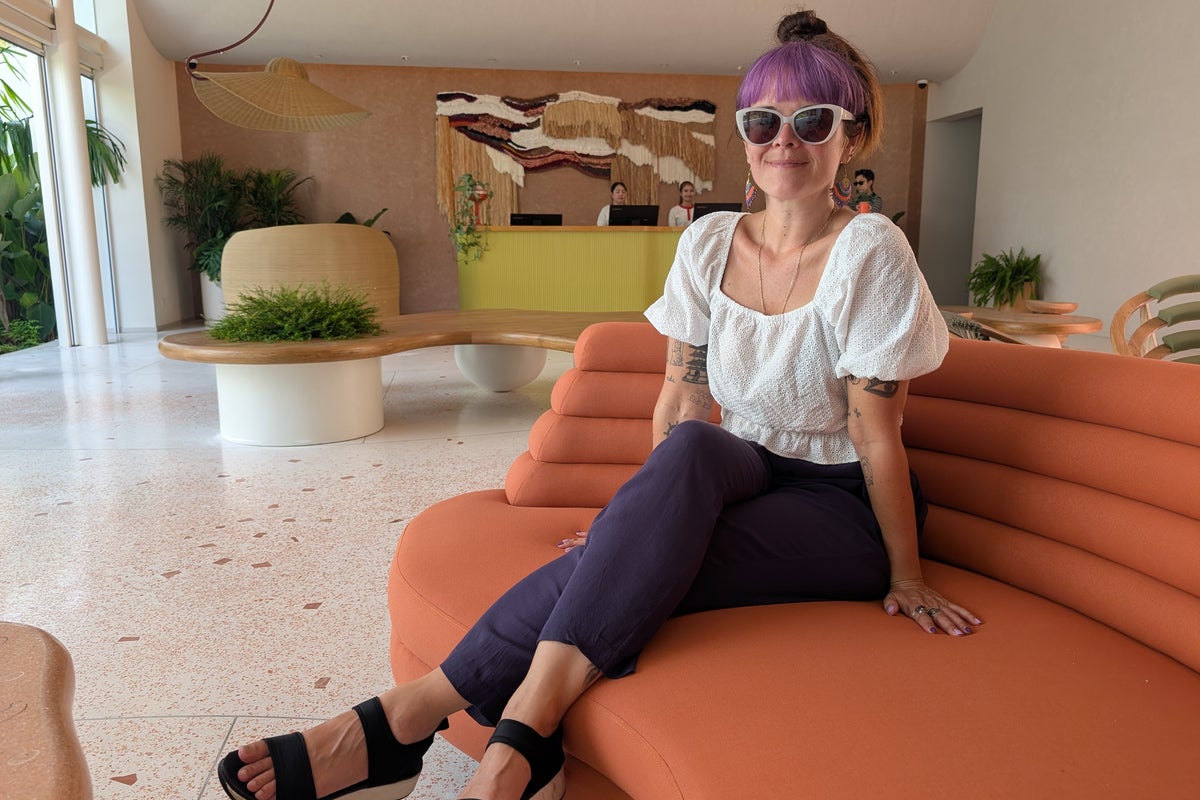
The first time I visited Pattaya I confess, I was dubious. Other journalists I know had turned down the job due to the destination’s famously seedy reputation. Just an hour’s drive southeast of Bangkok, Pattaya has been known as “Sin City” for generations, and unless you live in Thailand, this reputation is likely all you’ve heard. But I’m glad to have found that there’s much more to Pattaya than the recent headlines would have you believe.
The city has been in global news this week as the colossal nuclear powered aircraft carrier USS Abraham Lincoln has docked in Laem Chabang Port near Pattaya for R&R – but the world wonders just how much rest versus recreation will be savoured. The vessel of 5,000 personnel has been kept at sea for 286 days, with the crew last stepping foot on land in November. Suggestive jokes and memes on what the marines will be getting up to in Pattaya only serve to perpetuate the grim stereotypes of the area.
Local activists are pretty outraged by the warship parking up for “militourism”, but not surprised. The Vietnam War brought a huge sexualised leisure industry to the town, which was all but a small fishing village with a fledgling seaside resort previously. Following that war the GIs left the area, but the dark infrastructure that had grown around them did not. A paper by Pitchaya Chevasutho and Wiroj Jiamjarasrangsri of the Chulalongkorn University, Bangkok suggests that 50,000 sex workers are based in Pattaya.
 open image in gallery
Just last month a cluster of those brave workers protested outside the gates of the Thai government complex in Bangkok, as they believe the passing of the Sexual Service Providers Protection Bill, which has been at the forefront of Thai politics this year, is being stalled. They are not without support. Local charities like SWING Thailand and Empower provide health services and advocate for human rights of those (predominantly) women who work in the industry. But one of the largest of sex industries in Southeast Asia remains at Pattaya.
Read more: Drugs, disasters and border disputes: Is Thailand losing its sheen?
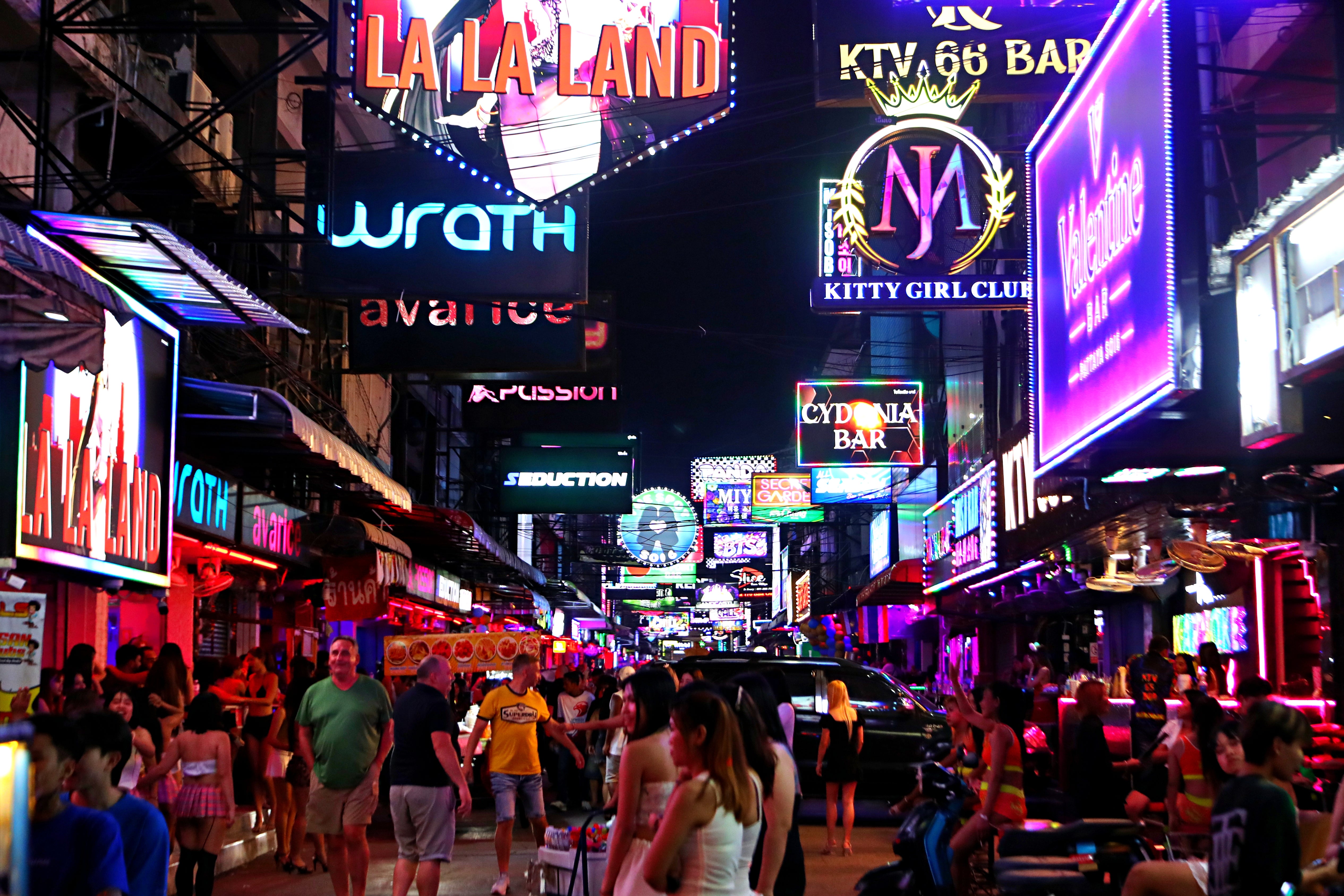
To keep this weekend’s interactions in check, the Chon Buri government has put extra police on the streets, with provincial Governor Narit Niramaiwong telling AFP that “600 officials will provide security and other necessary assistance”, while Pattaya’s mayor Poramase Ngampiches posted a message on his official Facebook page stating: “Our preparations will focus on safety and ensuring fair pricing, so we don’t take advantage of them.” The 5,000 US personnel are expected to spend 15 million baht (£335,000) during this short shore leave. Not a small influx at a time when Thailand is experiencing a drop in tourism numbers. Officials, of course, hope for a smooth stay. Restrictions placed upon the marines include: no purchasing of cannabis (despite it being legal for medicinal use in the country), no enjoying jet or water skiing and paragliding, and no visiting Soi 6, whose neons serve as the red light hub. A gentle reminder that prostitution is illegal in Thailand has rung out across the country, as national and international eyes are on Pattaya.
 open image in gallery
Both Soi 6 and the Walking Street make up the underbelly of Pattaya, which undoubtedly remains the sex work centre of Thailand, but the past few years have seen an overhaul of the region, with the arrival of huge international music festivals, family friendly attractions, and big name bijou hotels launching on the white sands. One neighbouring suburb, artfully branded Pattaya Na Jomtien, has successfully undergone a hip gentrification, appealing to wealthy Bangkokians as well as tourists as the in vogue place for a beach getaway in proximity to the capital.
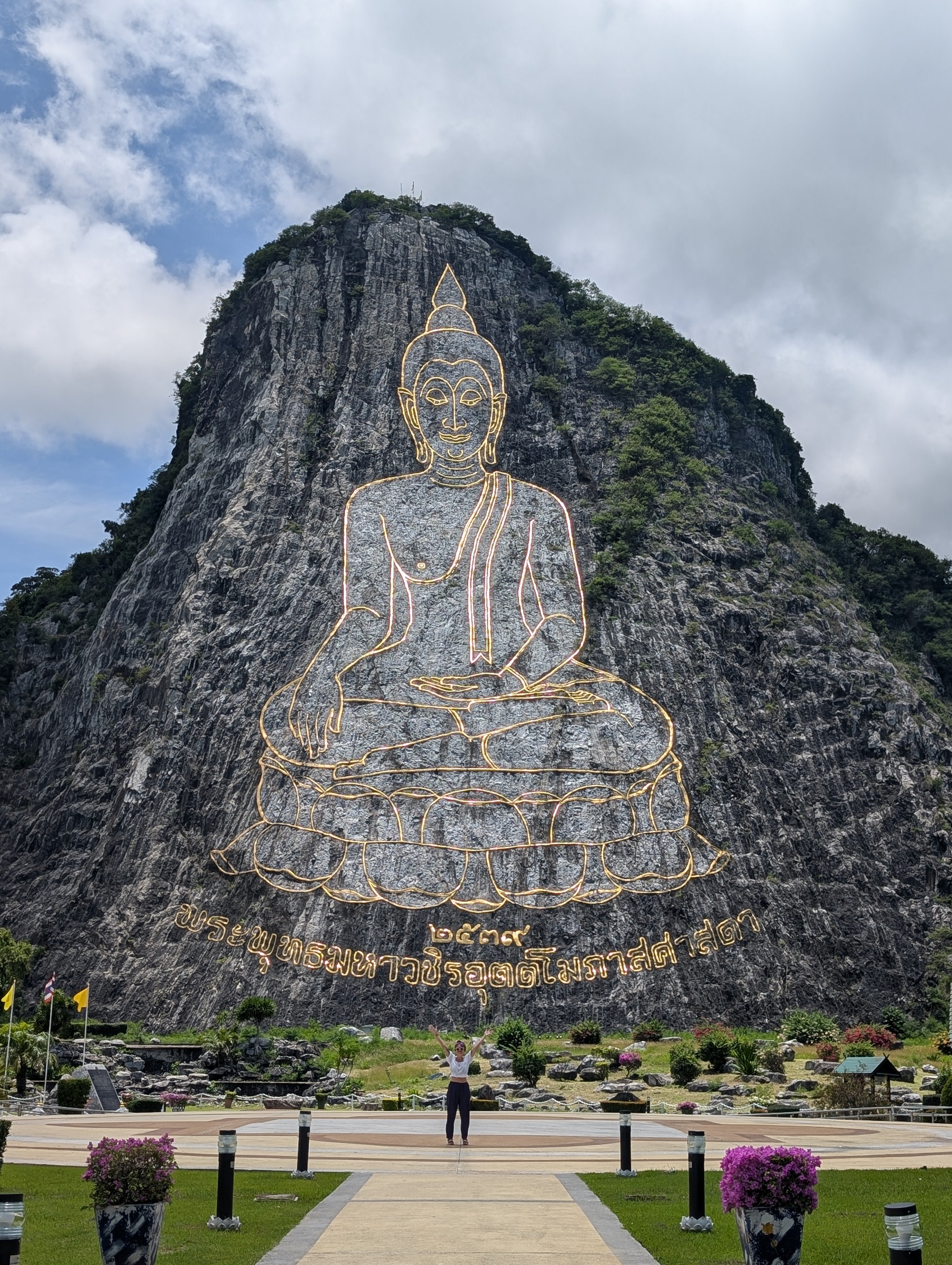
This is where my preconceived notions of Pattaya were dismantled. While reviewing the sprawling new branch of The Standard, a mid-century modern laden chain that would make Don Draper’s head turn, I first experienced the region’s multi-layered culture. Aside from being introduced to Chon Buri’s seafood heavy gastronomy at the resort, the team took us to Khao Chi Chan, also known as Buddha Mountain, which is hands down one of the most impressive sights I’ve visited during my five years residing in Thailand. Engraved into the mountainside, the 110-metre-tall gold Buddha serves as a reminder of the spiritual side of Pattaya, which is not short of devotional sites. A trip out to Anek Kusala Sala, a museum attached to Chinese temple Viharn Sien that is packed full of religious sculptures and paintings, highlighted Pattaya and Chon Buri’s historically diverse population. And as a Money Heist fan I had to pop by The Sanctuary of Truth, the intricate wooden chapel-esque building that’s appeared as a backdrop for numerous television shows.
The Standard isn’t the only big name that’s been changing Pattaya’s appeal. Design savvy Andaz, hip hoteliers Avani, and the luxe-loving InterContinental are also in situ. Not to mention the arrival of megalith EDM festival Tomorrowland (which is already sold out thanks to its staunch following) and the return of Wonderfruit, the hippy adjacent global music fest – both have chosen the area because it is actually very beautiful. Do I still avoid the grimier corners of Pattaya? Yes. But are things changing? Absolutely. Here’s hoping the world gets the memo.
Read more: Thailand island where you can escape the crowds