


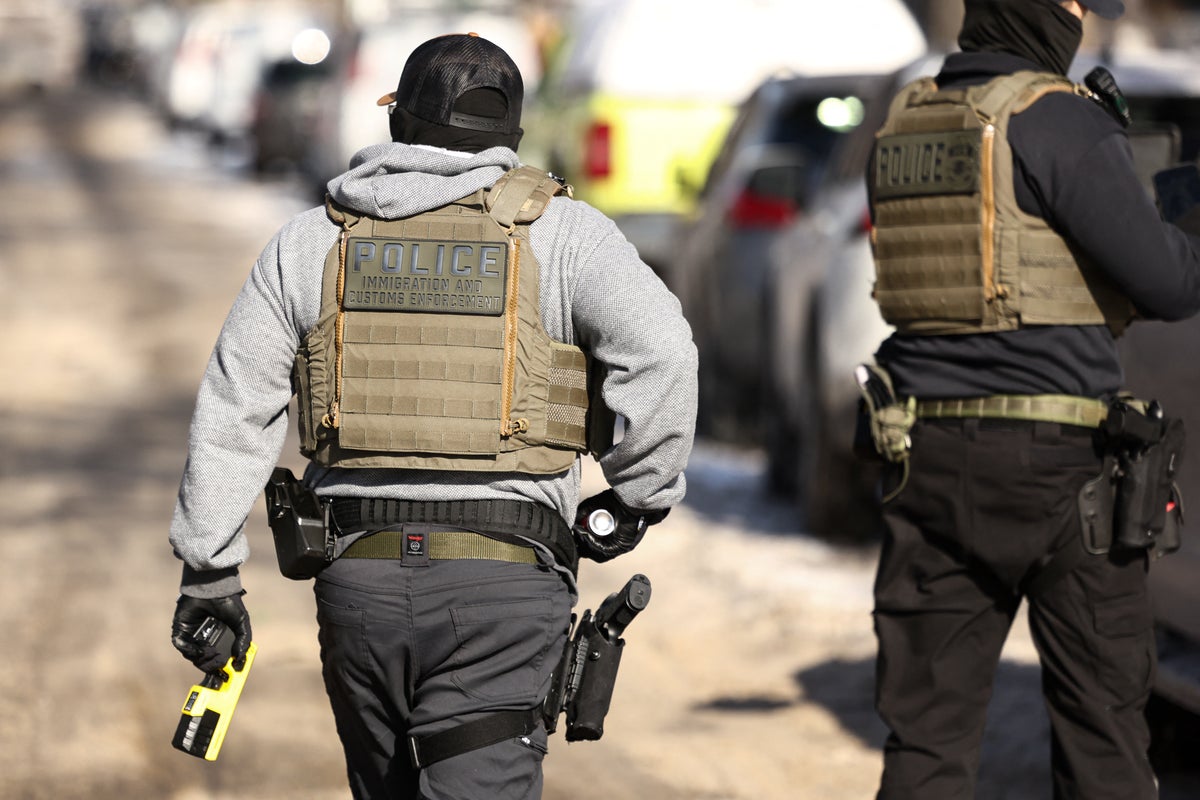
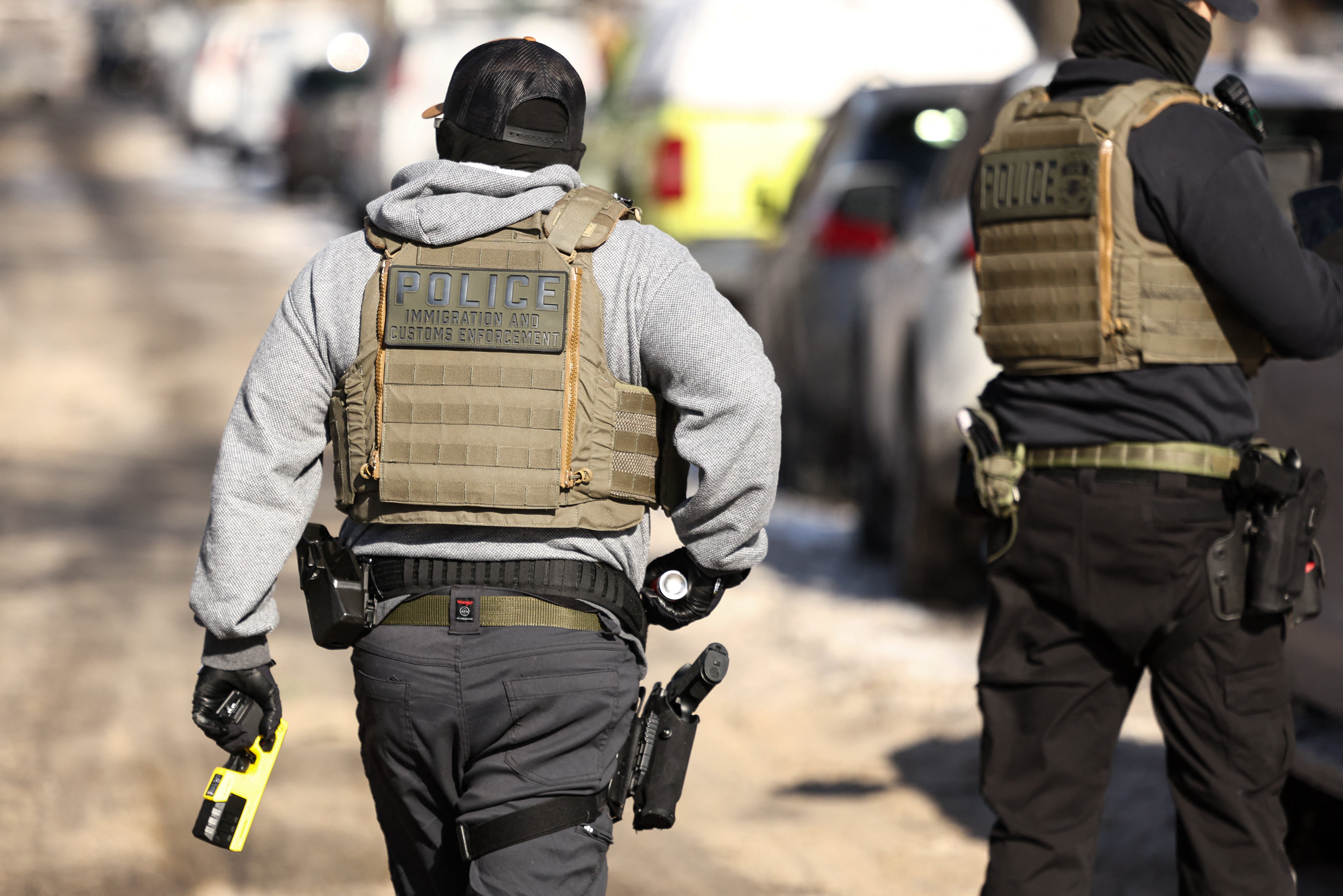
Federal prosecutors are set to charge an Immigration and Customs Enforcement officer who was accused of shooting a Venezuelan immigrant and then lying about it.
Officials at Donald Trump’s Department of Justice allegedly blocked prosecutors from pursuing more severe charges of civil rights violations against the agent, 52-year-old Christian Castro, despite objections from prosecutors overseeing the case against him.
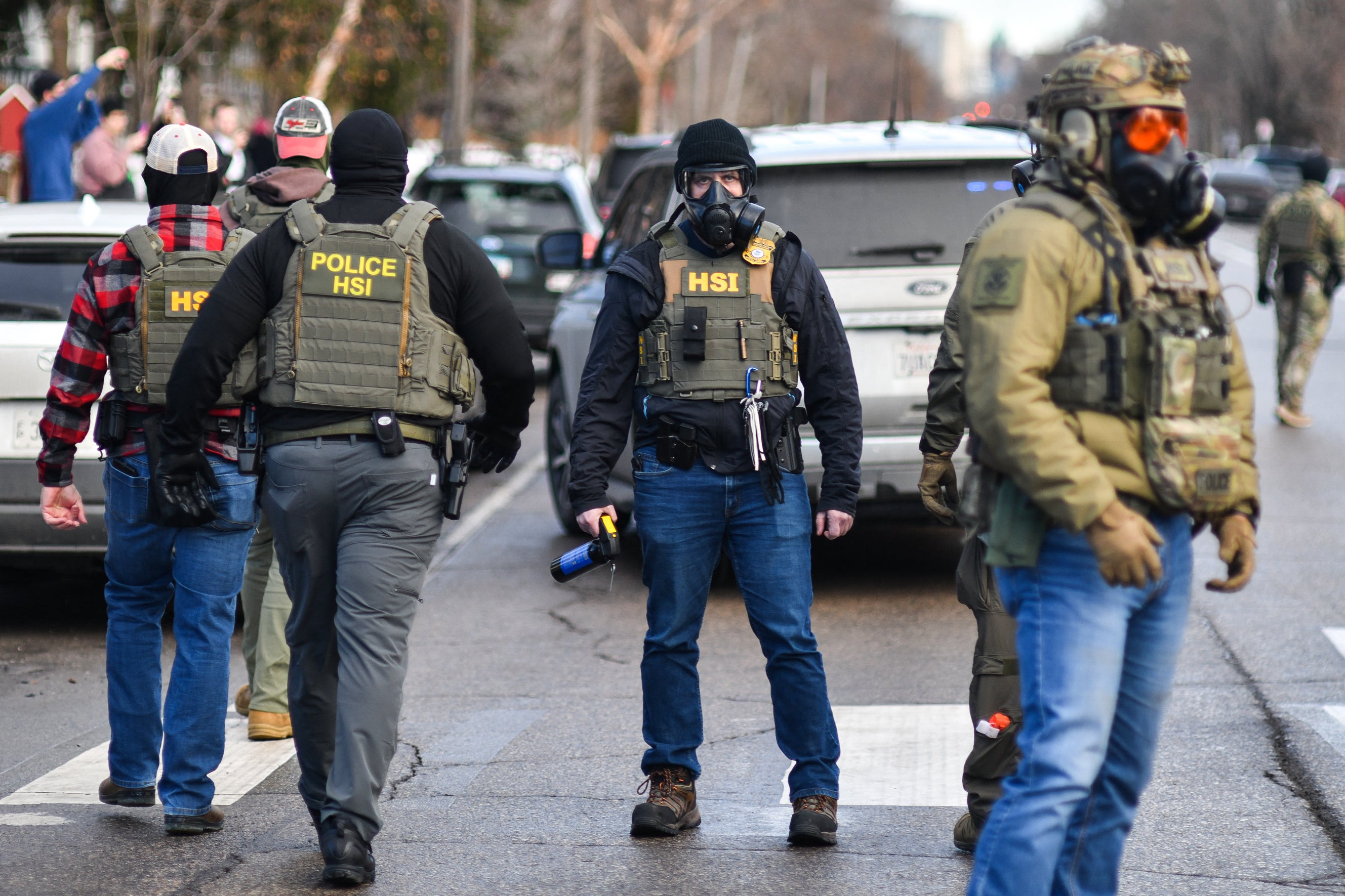
Julio Cesar Sosa-Celis was among at least three people who were shot by federal agents in Minneapolis during the Trump administration’s Operation Metro Surge in January, as hundreds of agents descended on the city to make thousands of arrests in support of the president’s mass deportation efforts. Two people — Renee Good and Alex Pretti — were killed.
Federal prosecutors were reportedly prepared to charge Castro with deprivation of rights under color of law, according to ProPublica. But one of the chief federal prosecutors in the state was reportedly instructed to only charge the officer with making false statements, which could likely carry a far less severe punishment, if convicted.
“This is being directed by the Main Justice and the US Attorney,” assistant U.S. Attorney Matthew Evans reportedly wrote in an email obtained by ProPublica. “I objected in the strongest possible terms and fought it as hard as I could. It wasn’t enough.”
 open image in gallery
Castro, who was put on leave by the Department of Homeland Security, has been at the center of an extradition battle after a Minnesota judge issued a nationwide warrant for his arrest in May. He is separately facing state felony charges in Minnesota, including assault with a dangerous weapon.
He was arrested in Cameron County, Texas, on May 29, but he remained in custody in Brownsville, close to the U.S.-Mexico border.
Texas District Judge Fernando Rodriguez Jr. argued that he could not prevent a county sheriff from releasing Castro or order Texas Gov. Greg Abbott to sign his extradition warrant.
 open image in gallery
Castro was accused of falsely reporting a crime after shooting the 24-year-old Sosa-Celis on January 14.
Castro is accused of shooting Sosa-Celis in the leg and then lying about being attacked. Prosecutors say Castro falsely accused Sosa-Celis and another man of attacking an ICE officer with a broom handle and a snow shovel.
In court hearings, the ICE officer’s account of the moments leading up to him firing his weapon appeared to be significantly different from testimony from the two defendants and three eyewitnesses.
The Justice Department dropped charges against the two Venezuelan men in February.
A federal judge in Minneapolis agreed to dismiss the case at the time after evidence emerged showing the government’s version of events was “materially inconsistent with the allegations” against them, according to a filing from Minnesota’s top federal prosecutor.
The abrupt reversal followed an aggressive effort to prosecute the two men, who were initially accused of attacking Castro in a case that then-Homeland Security secretary Kristi Noem called “attempted murder.”
In the FBI affidavit in support of the criminal complaint against Sosa-Celis, Castro accused him of using a broom to hit him “in his face” while he saw another man “approach him with a snow shovel” and “began striking” him. That account was not backed up by video evidence or testimony from eyewitnesses.
After Castro drew a pistol and fired one round, Sosa-Celis and another man ran into a nearby apartment complex.
Officers then fired tear gas towards the building to draw them out, and the men surrendered over fears that young children inside would be hurt.
The Independent has requested comment from the U.S. Attorney’s office in Minnesota and the Justice Department.
The Trump administration has routinely refused to prosecute agents for actions on the job, including the shooting deaths of Good and Pretti, among others. In most cases, Homeland Security officials have blamed victims or blocked local officials from investigating the incidents themselves, fueling allegations of government-wide cover-ups and civil rights violations.
The Justice Department’s civil rights division, meanwhile, has been gutted under division chief Harmeet Dhillon at Trump’s direction. Dozens of career officials working in the division have left in a mass exodus of prosecutors and staff, limiting capacity for the agency to pursue police brutality cases while shifting focus to the president’s agenda.